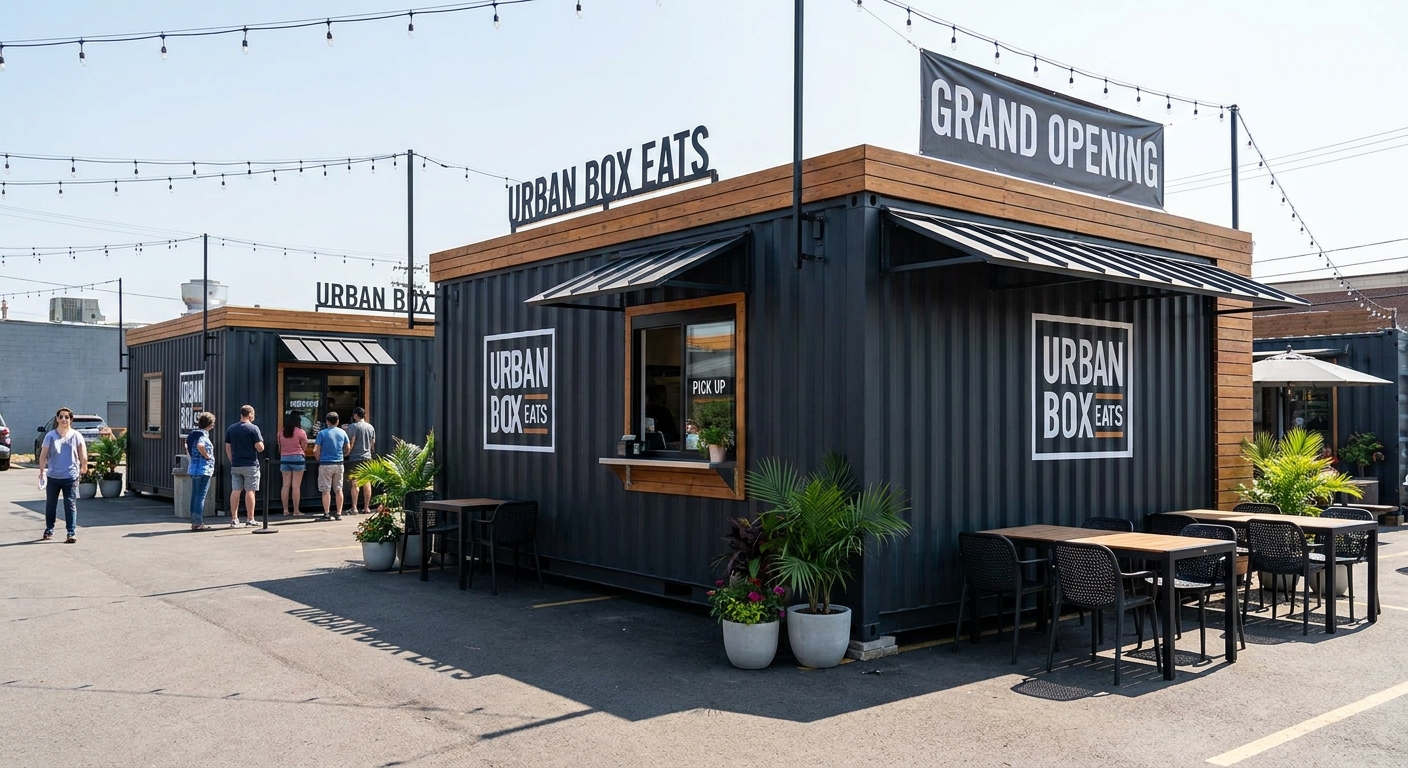
.jpg)

By using our website, you agree to the use of cookies as described in our Cookie Policy
Are Container Retail Spaces Better for Short-Term Leases?
Most retailers think short-term leases are just about avoiding commitment. Get in, test the market, get out. But the space you choose leaves a bigger mark than that — and if you pick wrong, you're burning cash on a gamble that didn't need to be that risky. Container retail isn't just trendy. It's built for movement, speed, and businesses that need to pivot without getting stuck in a five-year trap.
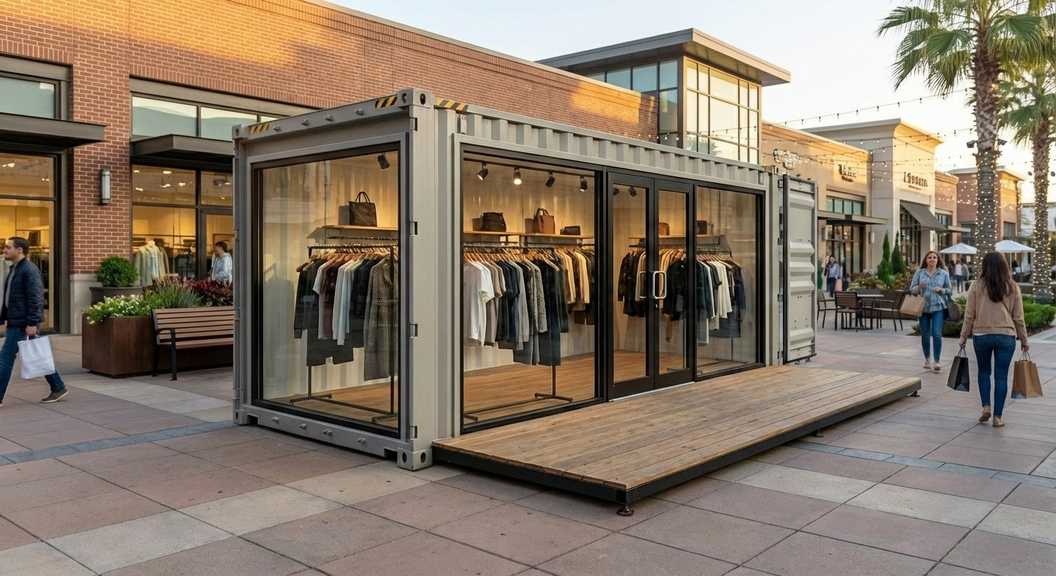
So here's what matters. If you're testing a concept or chasing foot traffic for a season, containers make sense. Just don't assume they're plug-and-play. Every location has zoning quirks. Every setup needs permits. And every decision should be grounded in how long you're staying — not just how cool the Instagram photos will look.
Why Containers Work When Time Is Short
Traditional retail spaces weren't designed for flexibility. You sign a lease, you build out the interior, you negotiate utilities, and by the time you're open, you've sunk months and serious capital into a spot you might not even want next year. Containers flip that script entirely.
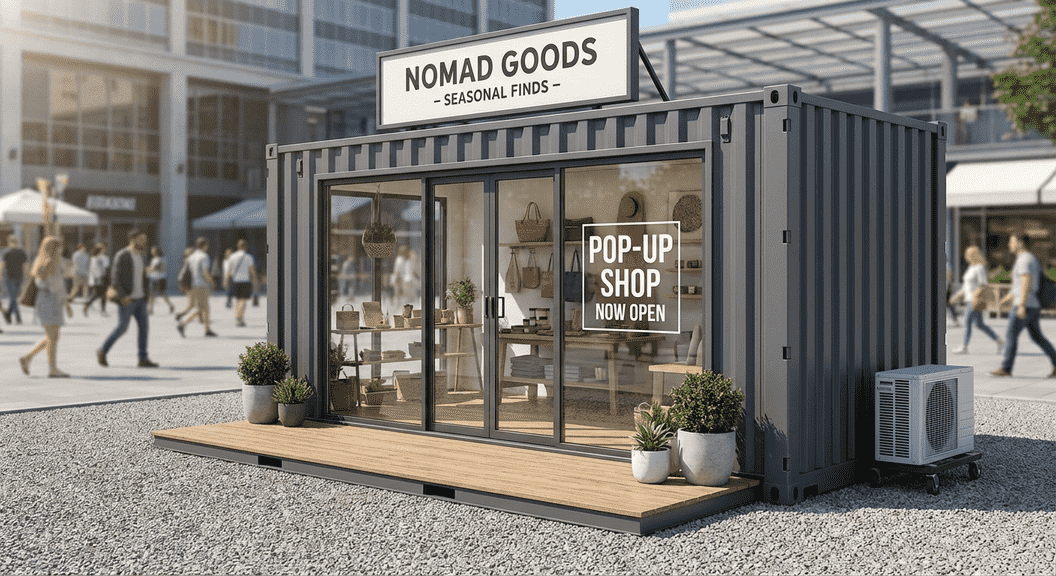
They're modular, mobile, and ready faster than most landlords can return an email. You're not tearing down walls or waiting on contractors. You're dropping a box, wiring it up, and opening the doors. For short-term plays — pop-ups, seasonal shops, product launches — that speed is everything. Miss your window and the opportunity's gone.
The Cost Advantage Is Real
Short-term leases in traditional spaces come loaded with hidden expenses. Security deposits that don't come back clean. Build-out costs that vanish the day you leave. Utility hookups that require inspections, permits, and fees you didn't budget for. Containers cut through most of that noise.
You're renting a structure that's already functional. Many providers bundle utilities, security, even basic furniture into the deal. That means lower upfront investment and fewer surprises when the bills start rolling in. And when your lease ends? You're not stuck negotiating repairs or fighting over who damaged what. You pack up and move on.
Mobility Gives You Options Most Retailers Don't Have
One of the biggest advantages containers offer is the ability to relocate without starting over. If your first location underperforms, you're not locked in. If a better opportunity opens up across town, you can chase it. Traditional retail doesn't allow that kind of agility.
Here's where that flexibility shows up most:
- Seasonal markets where foot traffic shifts with the calendar
- Event-based retail like festivals, fairs, or conferences
- Testing new neighborhoods before committing to a permanent lease
- Following your customer base as demographics or trends shift
- Capitalizing on short-term demand spikes without long-term risk
Branding and Sustainability Play Better Than You Think
Consumers notice when a business does something different. Containers stand out. They signal innovation, resourcefulness, and a willingness to break from the cookie-cutter retail mold. That's not just aesthetic — it's strategic. A memorable storefront drives word-of-mouth and social sharing, which matters when you're only open for a few months.
And then there's the sustainability angle. Repurposing shipping containers reduces waste and aligns with eco-conscious branding. For short-term leases, that story can be a differentiator. Customers who care about environmental impact are more likely to support a business that's walking the talk, even if it's only around for a season.
Where Containers Fall Short
Containers aren't perfect. Space is limited, and if your business needs room for large inventory or sprawling displays, you'll feel the squeeze. Climate control can be a headache too — steel boxes get hot in summer and cold in winter, so you'll need insulation or HVAC upgrades to keep customers comfortable.
Zoning and permitting are the other landmines. Not every city treats containers like legitimate retail structures. Some require special permits. Others ban them outright in certain districts. And even when they're allowed, you might face restrictions on signage, utilities, or how long you can stay in one spot. Do your homework before you commit, or you'll waste time and money on a setup that never opens.
What to Nail Down Before You Sign
If you're serious about a container lease, you need clarity on the details. Don't assume anything. Ask direct questions and get answers in writing.
- What's included in the lease — utilities, security, maintenance?
- Are there restrictions on how you can modify or brand the exterior?
- What's the process for relocating if you need to move mid-lease?
- Who handles permits and zoning compliance — you or the provider?
- What happens if the container needs repairs or upgrades during your term?
When Traditional Retail Still Wins
Containers aren't the answer for every short-term lease. If your business needs significant square footage, high-end finishes, or a location in a district where containers aren't allowed, you're better off in a traditional space. Same goes if your brand relies on a polished, upscale image that doesn't mesh with the industrial vibe of a shipping container.
But for businesses that value speed, flexibility, and cost control over permanence and prestige, containers deliver. They're built for retailers who need to move fast, test ideas, and avoid the financial weight of long-term commitments.
Documentation and Compliance Matter More Than You Think
Even with a short-term lease, you need a paper trail. That means a signed agreement, proof of insurance, copies of permits, and records of any modifications or repairs. If something goes wrong — a dispute with the landlord, a zoning violation, damage to the container — you'll need documentation to back up your side.
Here's what your file should include:
- The lease agreement with all terms clearly outlined
- Proof of zoning approval or permits for your location
- Insurance coverage for the container and your inventory
- Records of any modifications, repairs, or upgrades you made
- Photos of the container's condition at move-in and move-out
Common Mistakes Retailers Make
Plenty of businesses jump into container retail without thinking through the logistics. That's how you end up stuck with a space you can't use or a lease you can't get out of.
Here's where most retailers slip up:
- Skipping the zoning research and assuming containers are allowed everywhere
- Underestimating climate control costs and opening a sweatbox in July
- Choosing a provider based on price alone without vetting their reputation
- Ignoring the fine print on relocation fees or early termination penalties
- Failing to budget for signage, branding, or exterior modifications
Speed and Strategy Over Guesswork
Container retail spaces aren't just a trend. They're a tool — and like any tool, they work best when you know what you're building. Short-term leases demand speed, but they also demand strategy. You need to know your market, your costs, and your exit plan before you sign anything.
The retailers who win with containers are the ones who treat them like a business decision, not a novelty. They do the research. They ask the hard questions. And they move fast when the opportunity's right. That's how you turn a short-term lease into a long-term advantage — without getting stuck in a space that doesn't serve you. Pop-up retail in recycled containers continues to prove its value for businesses that prioritize flexibility and smart resource allocation.
Let’s Build Your Next Retail Move Together
Short-term retail success is all about making smart, agile choices—and container spaces give us the flexibility to do just that. If you’re ready to explore how a container retail setup can fit your business goals, let’s talk through your options and make sure you’re set up for success from day one. Call us at 805-252-2701 or request a quote to get started on your next retail project.
‹ Back
Recent Posts
-
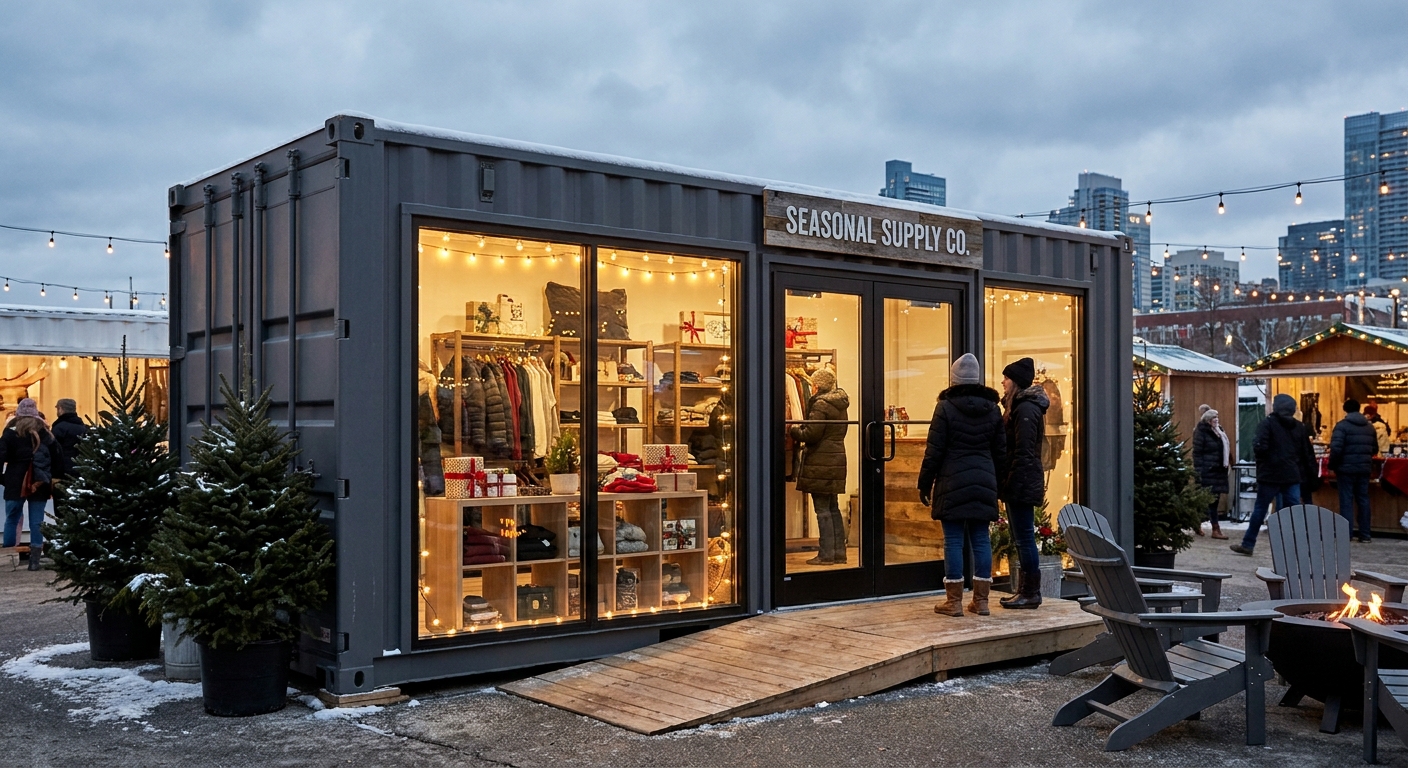
Is a Shipping Container Retail Store Right for Seasonal Sales?
September 30, 2026
-
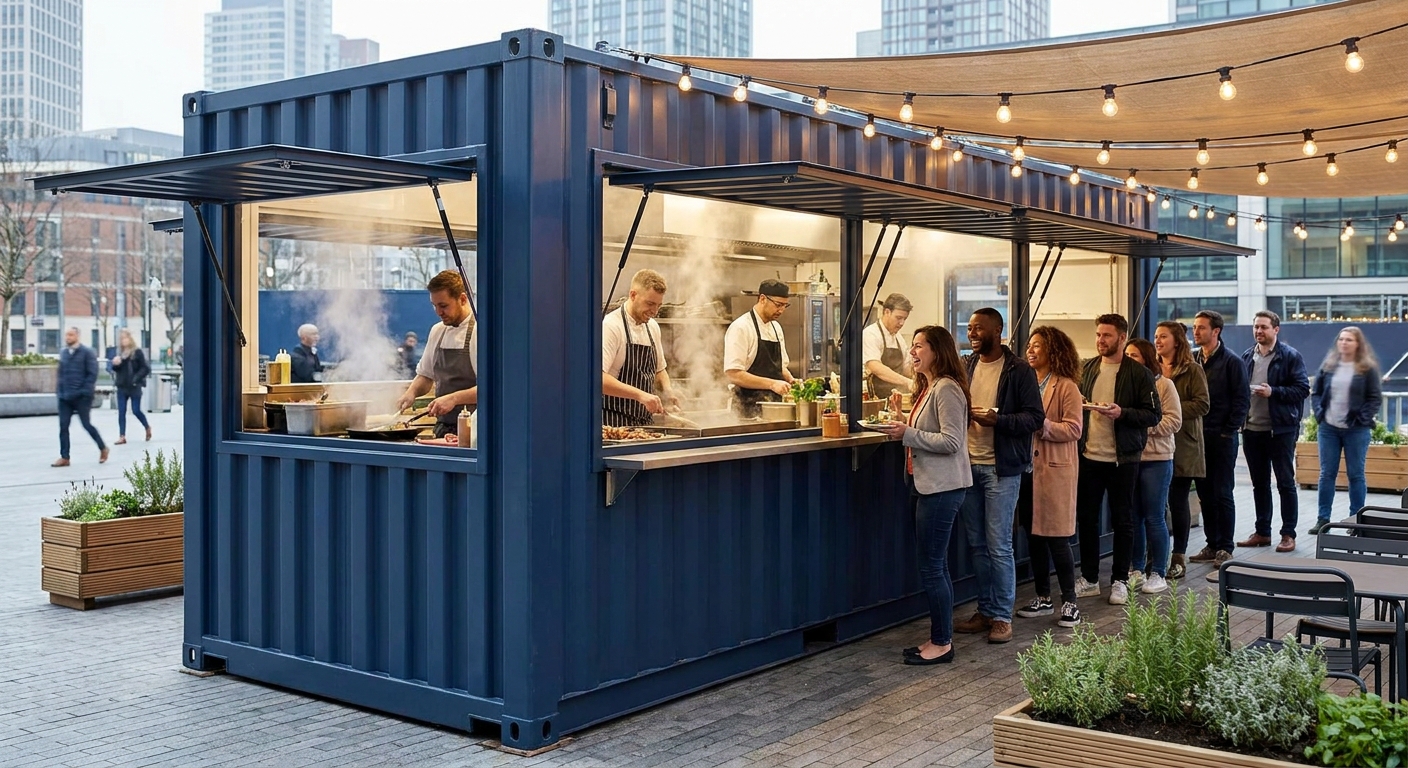
Can a Shipping Container Kitchen Help Your Business Grow?
September 16, 2026
-
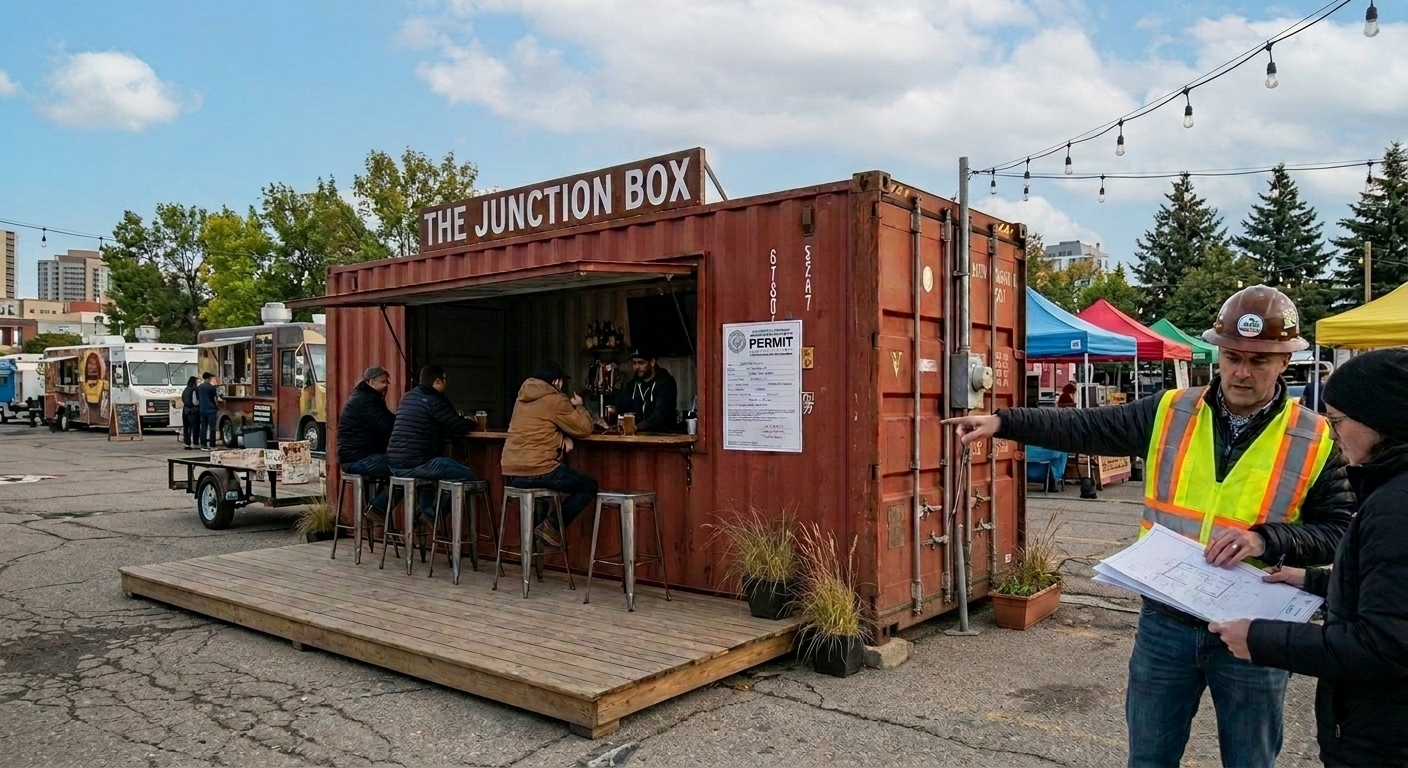
When Does a Shipping Container Bar Make Sense for Your Business?
September 2, 2026
-
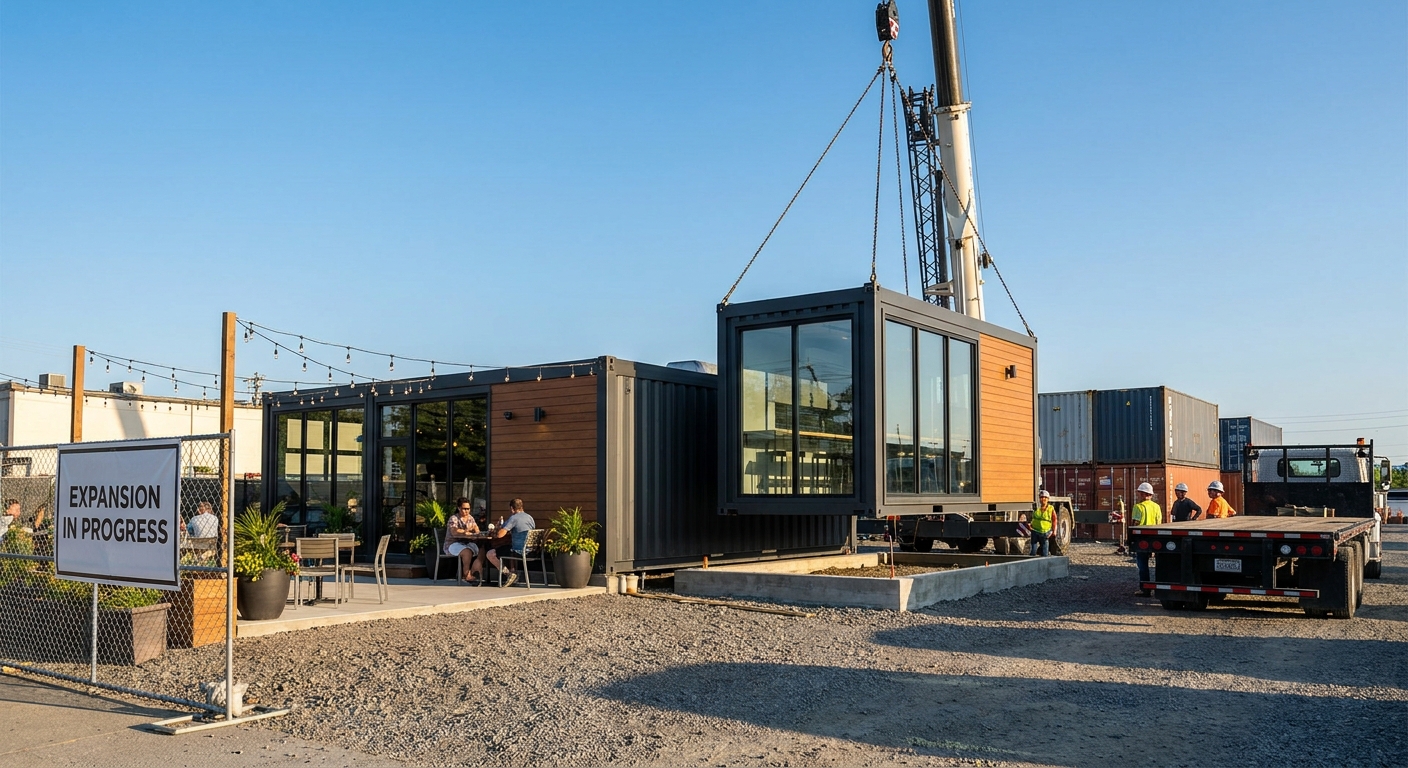
How a Shipping Container Restaurant Makes Expansion Easier
August 19, 2026
-