.jpg)

By using our website, you agree to the use of cookies as described in our Cookie Policy
Is a Container Kitchen a Smart Choice for Seasonal Locations?
Most food entrepreneurs think seasonal locations are just about timing. Show up when the crowds arrive, pack up when they leave. But the real challenge isn't when to operate—it's how to do it without bleeding cash during the off-months or locking yourself into a lease that only makes sense four months a year. Container kitchens solve that problem, but only if you understand what you're actually signing up for.
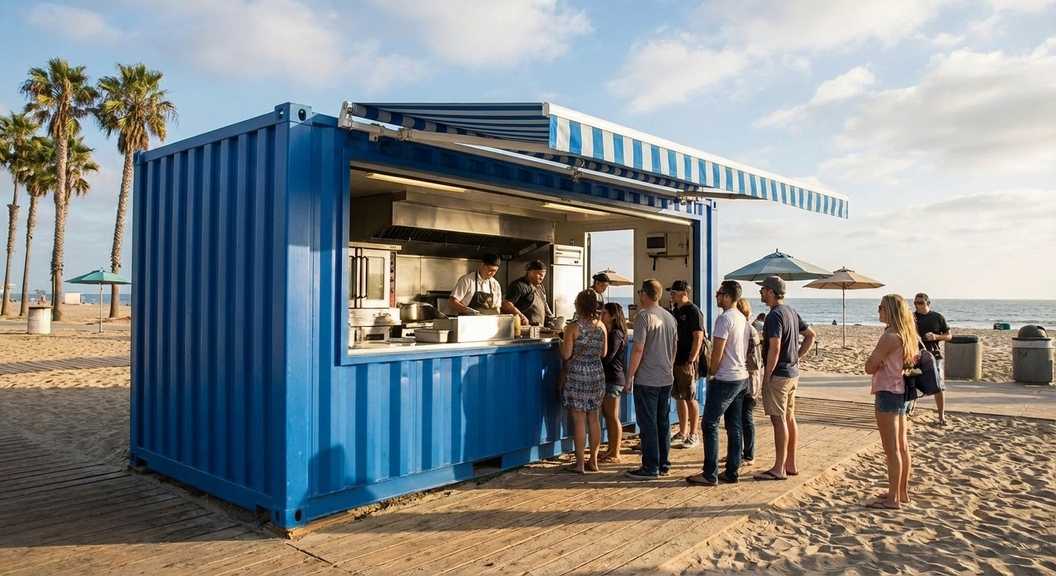
Shipping container kitchens aren't just trendy—they're tactical. They let you chase revenue instead of waiting for it. But mobility comes with trade-offs, and if you don't plan for permitting headaches, weather extremes, and logistics costs, you'll find out fast that flexibility isn't the same as simplicity.
Why Seasonal Operators Are Turning to Containers
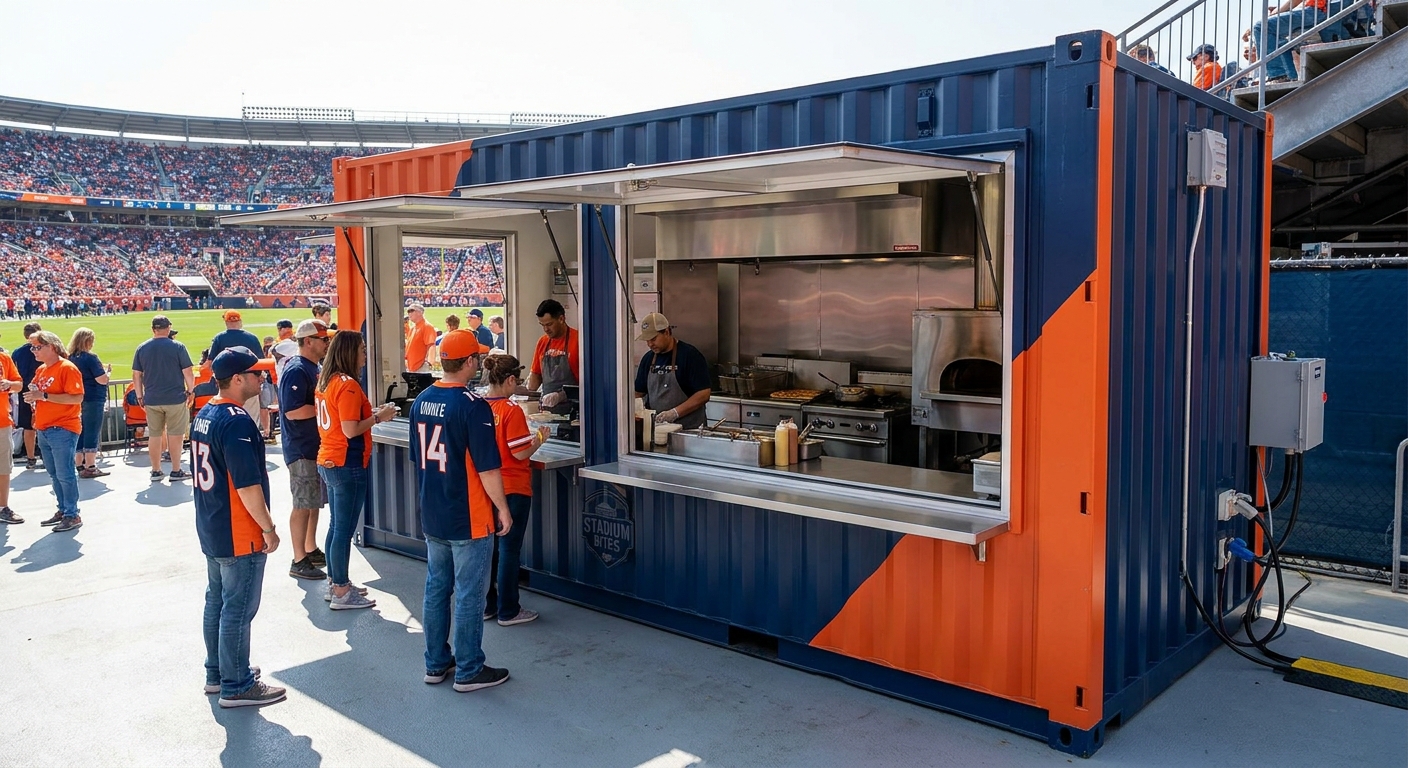
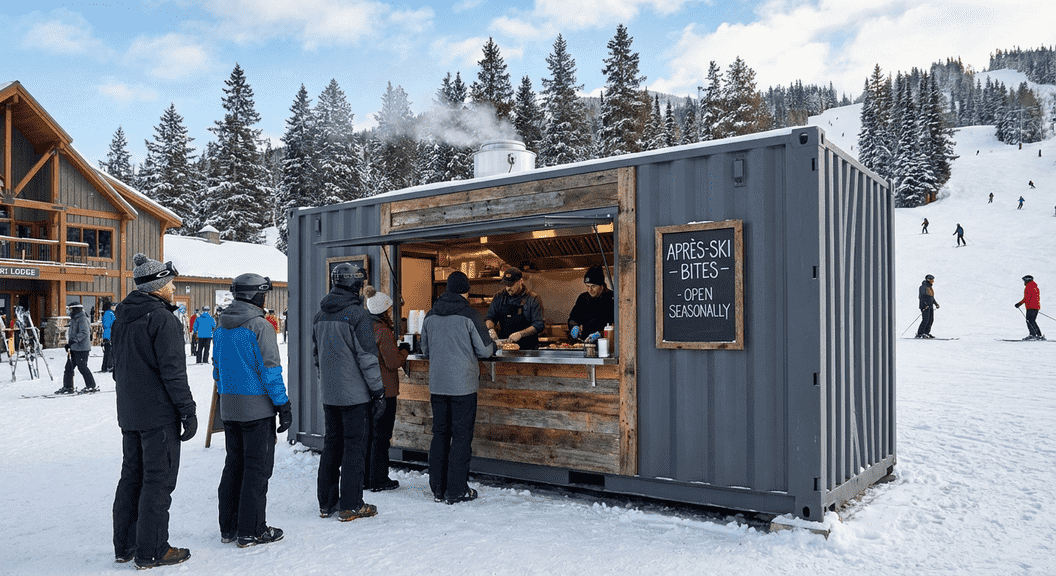
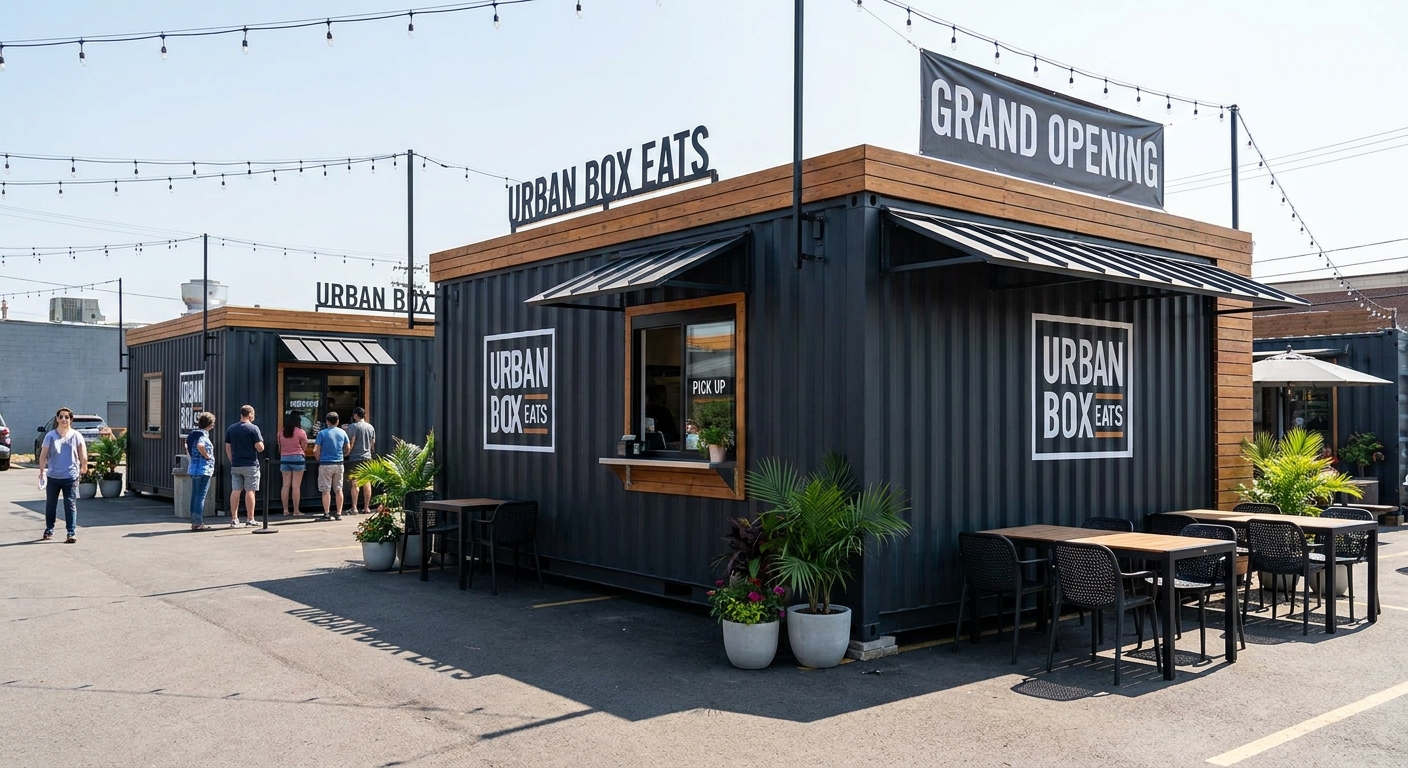
Beach towns, ski resorts, festival circuits—these places print money for a few months, then go quiet. Building a permanent kitchen in that environment is financial suicide unless you've got year-round traffic or deep pockets. Container kitchens flip the script. Instead of committing to one spot, you follow the demand.
The math is simple. A traditional build costs six figures and ties you to one location. A container setup costs a fraction of that and moves when you do. You're not paying rent in January when nobody's around. You're not maintaining a building that sits empty half the year. You're running lean, and that's the only way seasonal businesses survive long-term.
- Portability means you can operate at a summer boardwalk, then relocate to a winter market without starting from scratch
- Setup time is measured in days, not months, so you're not missing peak season while waiting on construction permits
- Upfront investment is lower, which matters when you're testing a new market or bootstrapping your way into the industry
- Overhead drops during slow months because you're not stuck paying for space you're not using
- Customization options let you build out the kitchen exactly how you need it, then modify it as your menu or operation evolves
The Roadblocks Nobody Warns You About
Containers sound perfect until you hit your first permitting office. Every county, every town, sometimes every park has different rules. What flies in one beach town might get you shut down two miles away. Health departments want inspections. Zoning boards want variances. Fire marshals want suppression systems that meet local codes, not just federal ones.
Then there's the logistics. Moving a container isn't like hitching a trailer. You need a flatbed, a crane in some cases, and a site that's actually accessible. If the ground isn't level or the utilities aren't nearby, your setup costs spike. And if you're operating in extreme climates—desert heat or mountain cold—you'll need insulation, HVAC, and weatherproofing that goes beyond the basic build.
- Permitting timelines vary wildly, and some jurisdictions treat containers like temporary structures while others classify them as permanent
- Transportation requires coordination with specialized haulers, and costs can add up if you're moving frequently
- Utility hookups aren't always guaranteed, so you may need generators, water tanks, or propane setups
- Weather protection is critical—containers get hot in summer and cold in winter, and cheap insulation won't cut it
- Storage during off-season isn't free, and leaving a container unattended in the wrong area invites theft or vandalism
Equipment Choices That Make or Break You
You can't treat a container kitchen like a food truck. Space is tighter, airflow is different, and everything you install has to handle being moved. That means commercial-grade equipment that's built for durability, not just performance. Cheap fryers and ranges break down faster when they're bouncing down highways between gigs.
Energy efficiency matters more in a container than in a traditional kitchen. You're often running on limited power, especially if you're using generators or temporary hookups. Appliances that draw too much juice will trip breakers or drain fuel costs. And if your refrigeration fails because you skimped on a compressor, you're not just losing product—you're losing your health permit.
- Ventilation systems need to meet commercial standards, and hoods must be sized correctly for your cooking volume
- Refrigeration units should be designed for mobile use, with secure mounting and vibration resistance
- Cooking equipment should be compact but powerful, with energy ratings that match your available power supply
- Water filtration and grease traps are non-negotiable in most jurisdictions, so factor those into your build
- Fire suppression systems must be installed and inspected, and they're not optional even if you're only operating seasonally
Planning for the Gaps Between Seasons
The off-season is where most container operators lose money without realizing it. You're not generating revenue, but you're still paying for storage, insurance, and maintenance. If you don't have a plan for those months, your profit margins from peak season evaporate.
Some operators solve this by booking multiple seasonal locations throughout the year. Others rent out their containers to other vendors or use the downtime for catering gigs. The worst move is letting the unit sit idle without a strategy. Equipment degrades, permits expire, and when it's time to fire back up, you're starting from behind.
- Secure storage protects your investment from weather damage and theft during inactive months
- Maintenance schedules should include deep cleaning, equipment servicing, and safety inspections before each season
- Insurance coverage needs to account for both operational and storage periods, with liability protection in place year-round
- Permit renewals often require advance notice, so track deadlines and submit paperwork early to avoid delays
- Revenue diversification through catering, private events, or secondary locations keeps cash flow steady when your primary site is closed
When It Makes Sense and When It Doesn't
Container kitchens aren't a universal solution. They work best when your business model depends on mobility, when permanent construction isn't feasible, or when you're operating in high-demand, short-window environments. If you're planning to stay in one spot year-round, a traditional build might actually be cheaper and easier in the long run.
But if you're chasing festivals, operating in resort towns, or testing new markets without committing to long-term leases, container kitchens for outdoor venues give you the flexibility to move fast and cut losses when something doesn't work. The key is knowing your costs upfront—not just the container itself, but the permitting, the logistics, the utilities, and the off-season expenses. Run those numbers honestly, and you'll know whether this model fits your operation or if you're better off with a fixed location.
Funding the Build Without Draining Your Reserves
Container kitchens cost less than traditional builds, but they're not pocket change. Depending on your equipment, customization, and compliance needs, you're still looking at a significant investment. Most operators finance the build, and that's where understanding your options matters.
We've worked with food entrepreneurs who used equipment financing, term loans, and lines of credit to fund their container setups. The right structure depends on your cash flow, your credit, and how quickly you need to deploy. Some lenders treat containers like equipment, others like real estate. Knowing the difference affects your rates, your terms, and your ability to move the unit without triggering complications.
Containers Work When You Work the System
Seasonal locations demand agility, and container kitchens deliver it—if you're willing to handle the logistics, the permitting, and the planning that comes with mobility. This isn't a plug-and-play solution. It's a business model that rewards operators who think ahead, document everything, and treat their kitchen like the asset it is.
At BusinessCapital.com, we help food entrepreneurs fund smart moves—whether that's a container build, equipment upgrades, or working capital to cover the gaps between seasons. Our team understands the unique challenges of mobile food operations, and we structure financing that fits your timeline, not ours. Call 877-400-0297 to talk through your funding options, or apply online for a same-day decision. We'll help you get the capital you need without the runaround.
Let’s Build Your Seasonal Success Story
We know that every seasonal food business has its own set of challenges and opportunities. If you’re ready to make your container kitchen vision a reality—or just want to talk through the numbers with people who get it—let’s connect and map out your next move together. Call us at 805-252-2701 or request a quote and see how we can help you launch smarter, faster, and with confidence.
‹ Back
Recent Posts
-
Can a Shipping Container Kitchen Help Your Business Grow?
September 16, 2026
-
When Does a Shipping Container Bar Make Sense for Your Business?
September 2, 2026
-
How a Shipping Container Restaurant Makes Expansion Easier
August 19, 2026
-
-