
.jpg)

By using our website, you agree to the use of cookies as described in our Cookie Policy
Can Container Cafes Work Inside Office Parks & Campuses?
Corporate real estate isn't just about square footage anymore. It's about creating spaces people actually want to be in. And right now, shipping container cafes are showing up everywhere — from tech campuses to university quads. They're fast to install, cheap to operate, and they look good doing it. But slapping a container in a parking lot doesn't guarantee success. Location matters. Foot traffic matters. And whether your lease or zoning code even allows it? That matters most.
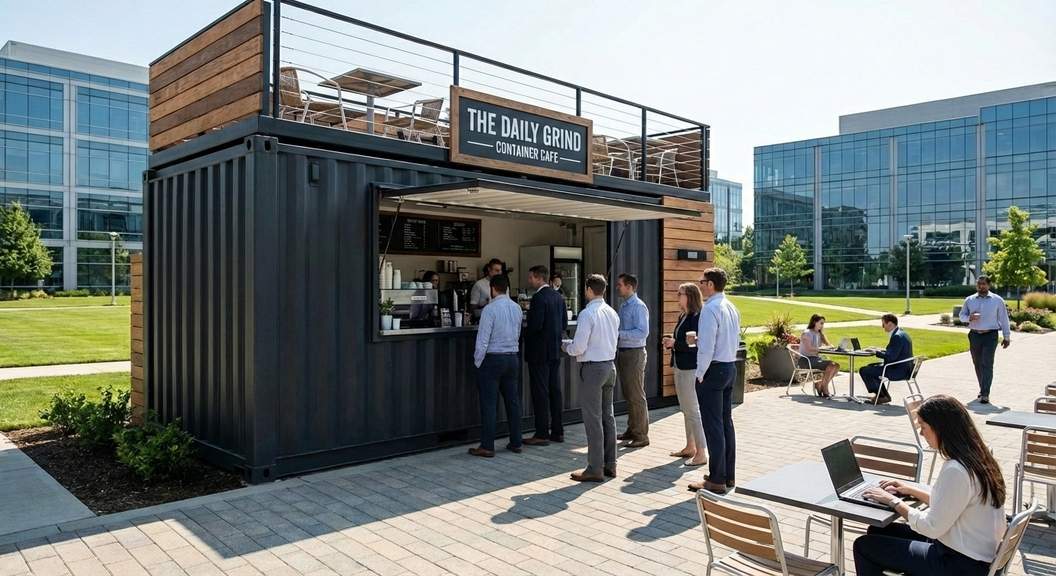
We've seen container cafes thrive in places where traditional builds would've taken years and blown budgets. But we've also seen them fail when the infrastructure wasn't there or the demand was misjudged. If you're considering one for your office park or campus, you need more than a cool concept. You need a plan that accounts for utilities, permits, weather, and whether people will actually walk over to buy a latte.
Why Containers Make Sense for High-Traffic Zones
Office parks and campuses are built for volume. Thousands of people moving through the same corridors, parking lots, and green spaces every day. That's a captive audience — and a container cafe can tap into it without the overhead of a full restaurant build. You're not pouring a foundation or waiting on city approvals for months. You're dropping a box, hooking up power and water, and opening for business.
The speed alone is a game-changer. Traditional construction timelines can stretch six months or more. A container cafe? You can be operational in weeks if the site's prepped and the permits are in order. That's especially valuable when you're trying to fill a gap in service or test demand before committing to something permanent. Plus, if the location doesn't work out, you can move it. Try doing that with a brick-and-mortar lease.
What You Gain Beyond Just Coffee
A container cafe isn't just a place to grab caffeine. It's a gathering point. Somewhere people can step away from their desks or classrooms without leaving the property. That kind of third space — not work, not home — is increasingly valuable in environments where remote work has made in-person interaction less frequent. A well-placed cafe can become the spot where deals get made, ideas get shared, and culture gets built.
Here's what a container cafe can deliver when done right:
- Quick-service food and drinks that keep people on-site instead of driving off-campus
- A visual anchor that makes underutilized outdoor areas feel intentional and inviting
- Flexible hours that can extend into evenings or weekends for events or late shifts
- Branding opportunities that reflect the culture of the company or institution
- Lower upfront costs compared to leasing or building traditional retail space
Zoning and Permits Will Slow You Down
Before you get excited about design mockups, check your local codes. Not every municipality treats shipping containers the same way. Some classify them as temporary structures. Others require full commercial building permits. And if your office park or campus has restrictive covenants or design guidelines, you might hit a wall before you even start.
Health department approvals are another layer. If you're serving food, you'll need proper ventilation, grease traps, handwashing stations, and waste disposal systems. A container that looks great on Instagram might not pass inspection if it wasn't built with commercial kitchen standards in mind. Work with a vendor who's done this before and knows what inspectors will flag. Otherwise, you're gambling with time and money.
Utilities Aren't Always Where You Need Them
Dropping a container in the middle of a lawn sounds simple until you realize there's no water line within 200 feet. Running new utilities can eat up your budget fast — especially if you're trenching through asphalt or dealing with underground obstacles. Electrical service, plumbing, sewer or septic connections, and internet access all need to be factored in before you commit to a location.
Some operators get around this with off-grid setups — solar panels, water tanks, composting toilets. That works for pop-ups or low-volume operations, but it's not scalable for a busy campus cafe serving hundreds of people a day. If you want reliable service, you need reliable infrastructure. And if that infrastructure doesn't exist yet, you need to budget for it upfront.
Weather Will Test Your Build Quality
Shipping containers are built to survive ocean crossings, but they're not automatically comfortable for humans. Steel boxes get hot in summer and cold in winter. Without proper insulation, HVAC, and ventilation, your cafe will be miserable for staff and customers alike. Condensation can also become a problem if moisture isn't managed correctly, leading to rust, mold, and equipment damage over time.
Here's what you'll need to make a container cafe livable year-round:
- Spray foam or rigid insulation to regulate temperature and prevent condensation
- Commercial-grade HVAC systems sized for the space and climate
- Ventilation hoods and exhaust fans if you're cooking or brewing
- Windows or roll-up doors that provide natural light and airflow
- Weatherproofing on seams, doors, and roof penetrations to prevent leaks
Foot Traffic Patterns Decide Success or Failure
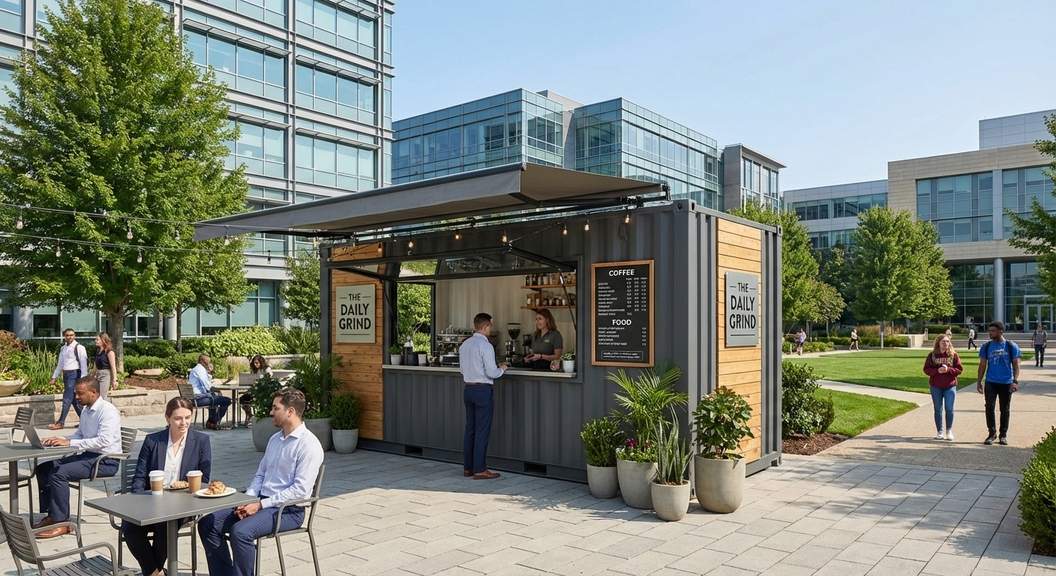
You can build the best container cafe in the world, but if it's tucked behind a loading dock or hidden from main pathways, no one's going to find it. Location is everything. You want high visibility, easy access, and proximity to where people already congregate. Think building entrances, parking lot exits, or central courtyards.
Watch how people move through your campus or office park before you pick a spot. Where do they walk during lunch? Where do they park? Where do they gather for smoke breaks or phone calls? Those patterns tell you where demand already exists. Placing a cafe in a dead zone and hoping it creates traffic is a gamble. Placing it where traffic already flows is strategy.
Menu and Hours Need to Match Your Audience
A container cafe on a college campus has different needs than one in a corporate office park. Students want cheap, fast options and late-night snacks. Office workers want quality coffee, grab-and-go lunches, and maybe a beer after 5 p.m. if your jurisdiction allows it. Misreading your audience means wasted inventory, disappointed customers, and poor sales.
Operating hours matter just as much. If your campus empties out by 6 p.m., staying open until 9 won't help. If your office park has second and third shifts, closing at 3 p.m. leaves money on the table. Align your hours with when people are actually there and willing to spend. And if demand shifts seasonally — like summer breaks on a university campus — plan for that too.
Maintenance Costs Are Real
Container cafes aren't maintenance-free. Equipment breaks. Paint fades. Seals crack. And because containers are compact, every square foot matters. A broken espresso machine or a leaking roof can shut you down fast if you don't have backup plans or quick access to repairs.
Budget for ongoing upkeep from day one. That includes:
- Regular HVAC servicing to avoid breakdowns during peak seasons
- Exterior touch-ups to prevent rust and keep the space looking fresh
- Plumbing and electrical inspections to catch issues before they escalate
- Pest control, especially if food waste isn't managed properly
- Equipment warranties or service contracts for high-use items like refrigerators and grills
Vendor Selection Separates the Pros from the Amateurs
Not all container builders are created equal. Some specialize in residential conversions. Others focus on retail or food service. You want someone who understands commercial codes, health department requirements, and the specific demands of high-volume operations. Ask for references. Visit completed projects. And make sure they're licensed and insured.
Cheap bids often come with hidden costs — subpar materials, missed deadlines, or builds that don't pass inspection. A reputable vendor will walk you through permitting, utility connections, and long-term maintenance before you sign anything. They'll also help you avoid common mistakes, like undersized HVAC or poorly placed service windows that create bottlenecks during rush hours.
Financing and ROI Depend on Volume
Container cafes are cheaper than traditional builds, but they're not free. Depending on size, finishes, and equipment, you're looking at anywhere from $50,000 to $200,000 or more. If you're financing that through a loan or lease, you need to know how long it'll take to break even. That depends on foot traffic, average transaction size, and operating costs.
Run the numbers before you commit. How many customers do you need per day to cover rent, utilities, labor, and inventory? What's your margin on each sale? How does seasonality affect demand? If the math doesn't work, no amount of Instagram-worthy design will save you. But if the fundamentals are solid, a container cafe can pay for itself in a year or two and generate steady cash flow after that.
Flexibility Means You Can Pivot
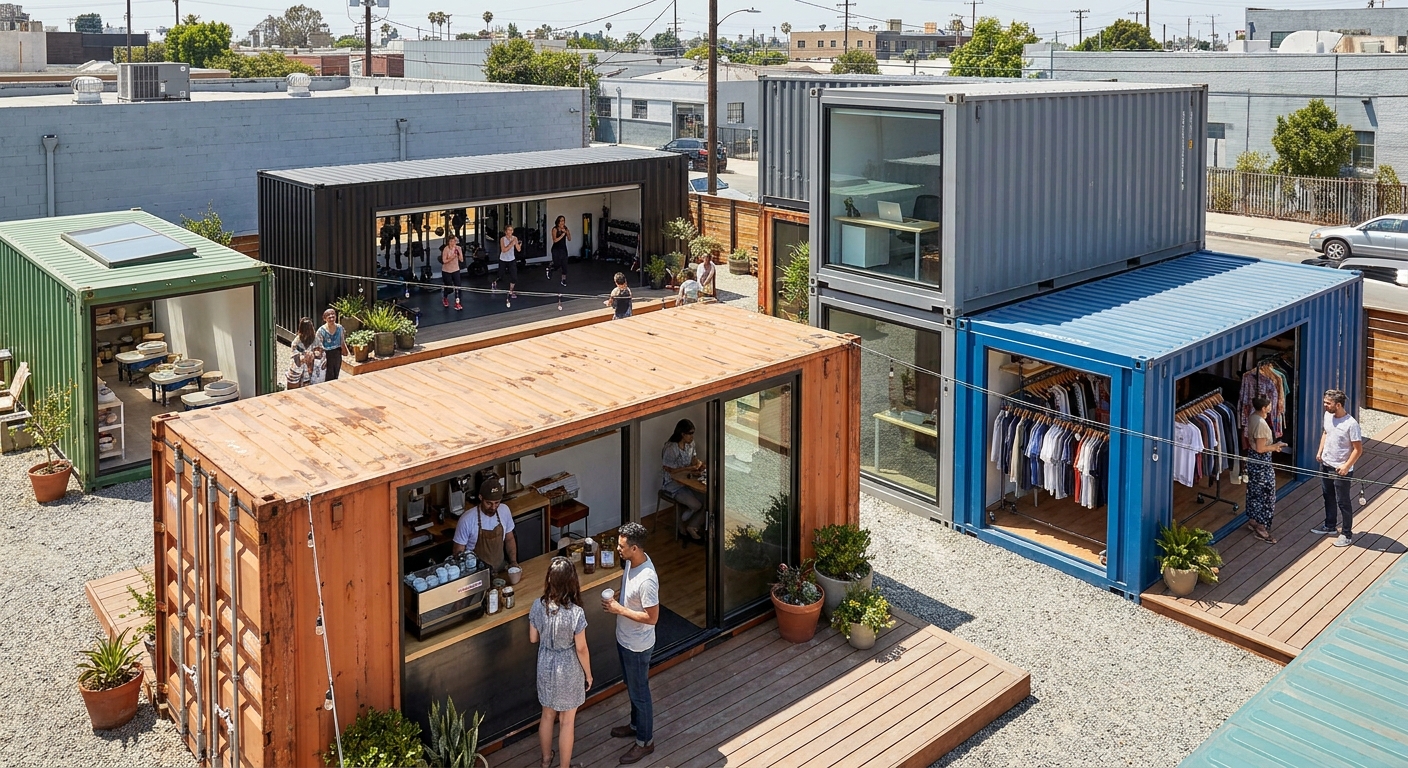
One of the biggest advantages of container cafes is that they're not permanent. If demand shifts, you can relocate. If your lease ends, you can take the container with you. If you want to expand, you can add another unit. That kind of flexibility is rare in commercial real estate, and it's especially valuable in environments where long-term planning is uncertain.
We've seen companies use container cafes as pilot projects — testing demand before committing to a full-scale food court or restaurant. We've also seen campuses rotate containers between different locations based on enrollment patterns or construction schedules. That adaptability is a strategic asset, not just a logistical convenience.
Making It Work Takes More Than a Container
Container cafes can absolutely thrive in office parks and campuses — but only when the fundamentals are in place. You need the right location, the right permits, the right infrastructure, and the right operator. Skip any of those, and you're setting yourself up for headaches, cost overruns, or outright failure.
The good news? When it's done right, a container cafe becomes more than just a place to grab coffee. It becomes a destination. A community hub. A reason for people to stick around instead of leaving the property. And in environments where engagement and culture matter, that's worth a lot more than the cost of a steel box.
Ready to Bring a Container Cafe to Your Property?
We know what it takes to turn a shipping container into a thriving cafe that fits your office park or campus perfectly. Let’s work together to create a space that draws people in and keeps them coming back. If you’re ready to explore the possibilities, give us a call at 805-252-2701 or request a quote and let’s start planning your next standout amenity.
‹ Back
Recent Posts
-
Which Businesses Are a Good Fit for Shipping Container Buildings?
October 14, 2026
-
Is a Shipping Container Retail Store Right for Seasonal Sales?
September 30, 2026
-
Can a Shipping Container Kitchen Help Your Business Grow?
September 16, 2026
-
When Does a Shipping Container Bar Make Sense for Your Business?
September 2, 2026
-
How a Shipping Container Restaurant Makes Expansion Easier
August 19, 2026