.jpg)

By using our website, you agree to the use of cookies as described in our Cookie Policy
Can a Shipping Container Bar Handle High-Volume Weekend Crowds?
Most bar owners think container builds are just about aesthetics. Cool vibe, low overhead. But when Friday night hits and the line wraps around the block, aesthetics won't save you. Space becomes a weapon or a liability. Flow either works or it doesn't. And if you didn't plan for volume before you opened the doors, you're learning the hard way now.
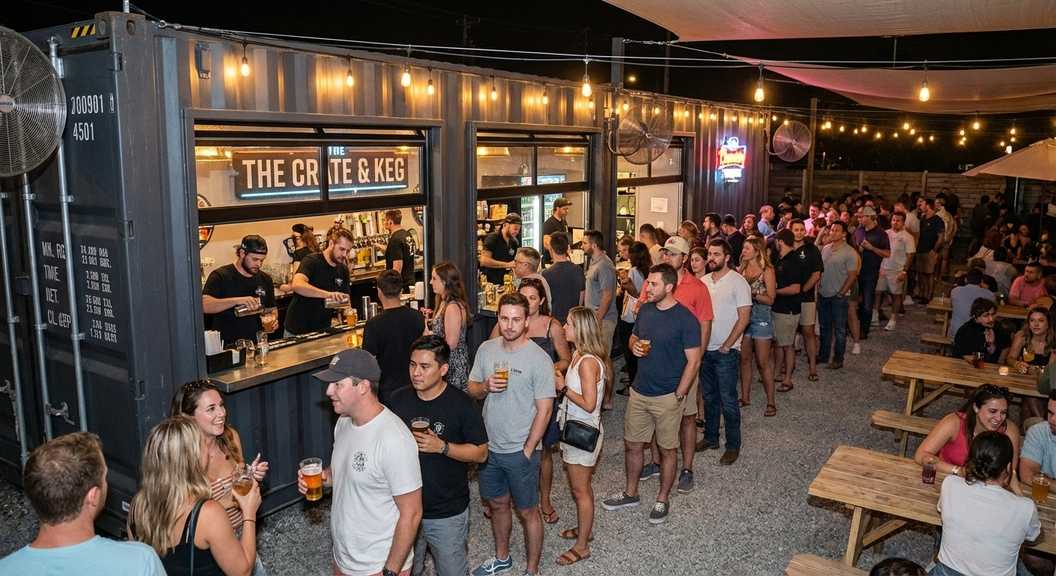
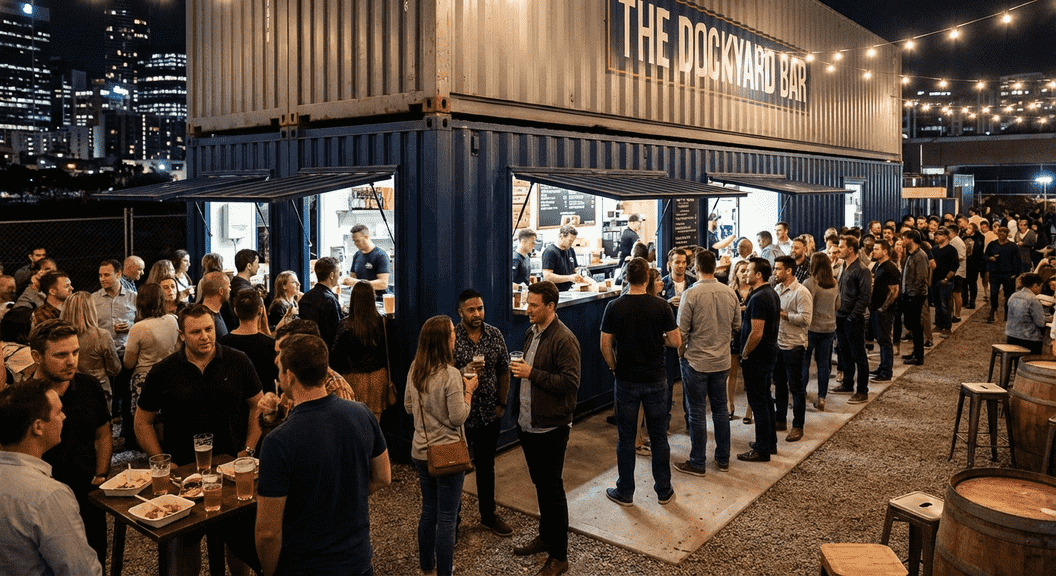
So here's the reality. If you're running a container bar in a high-traffic zone, weekends will test everything — your layout, your team, your inventory strategy, and your ability to keep people happy when they're three deep at the window. The footprint is fixed. The crowd isn't. And every decision you made during the build either helps you scale or holds you back.
The Footprint Doesn't Lie
A standard shipping container gives you 160 square feet if you're working with a 20-footer, maybe 320 if you went with a 40. That's not a lot of real estate when you're trying to serve drinks, store product, and keep a team moving without tripping over each other. The tighter the space, the more intentional every inch has to be.
Smart operators design for throughput from day one. Service windows face the crowd. Prep zones stay behind the line. Storage goes vertical or off-site. Some add a second container for back-of-house or link modules to create more elbow room without losing the container aesthetic. If your layout forces bartenders to cross paths or reach over each other, you've already capped your capacity before the first customer orders.
Your Team Either Moves Fast or Gets Buried
Volume demands speed, and speed demands skill. In a container bar, there's no room for hesitation. Bartenders need to know the menu cold, work clean, and anticipate what's coming next. Pre-batching cocktails, running draft systems, and trimming the menu to high-margin favorites all cut down on ticket times.
Cross-training matters too. When one person can pour, restock, and handle POS without missing a beat, you're not scrambling to cover gaps. During peak hours, adding a dedicated queue manager or runner keeps the line organized and customers from getting frustrated. Technology helps — mobile ordering, contactless payment, and real-time inventory tracking all reduce friction when every second counts.
Inventory Strategy Separates the Pros from the Amateurs
Running out of your best-selling beer at 10 p.m. on a Saturday is a death sentence for momentum. Limited storage means you can't just stack cases in the corner and hope for the best. We forecast demand based on past weekends, weather, and local events. Then we overstock the essentials and keep backup inventory nearby — either in a vehicle, a partner location, or a secondary container.
Restocking mid-shift without disrupting service takes coordination. Some operators schedule deliveries during slow windows or use a staging area outside the main bar. Others rotate stock throughout the night so the most popular items stay within arm's reach. The goal is simple — never let the crowd outpace your supply.
Ventilation and Comfort Aren't Optional
Cram a hundred people around a metal box on a summer night and things get uncomfortable fast. Airflow is critical. Roll-up doors, large service windows, and industrial fans keep the space breathable for staff and approachable for customers. Outdoor seating, shade structures, and portable cooling units extend your effective capacity without expanding the container itself.
Sanitation can't slip either. High volume means more spills, more trash, and more wear on surfaces. Regular cleaning cycles, accessible waste stations, and clear pathways prevent the space from turning into a mess. If customers see grime or feel cramped, they're not coming back — no matter how good the drinks are.
Safety Holds Up Under Pressure or It Doesn't
When the crowd swells, safety risks multiply. Slippery floors, blocked exits, and poor lighting can turn a busy night into a liability nightmare. We design for clear sightlines, non-slip surfaces, and visible emergency routes. Staff training includes crowd management and de-escalation so problems get handled before they escalate.
Fire safety, electrical load limits, and structural integrity all matter more when you're pushing capacity. Local codes vary, but ignoring them isn't an option. A single incident can shut you down or worse. Build it right, maintain it consistently, and don't cut corners when volume climbs.
Scaling Happens in Stages
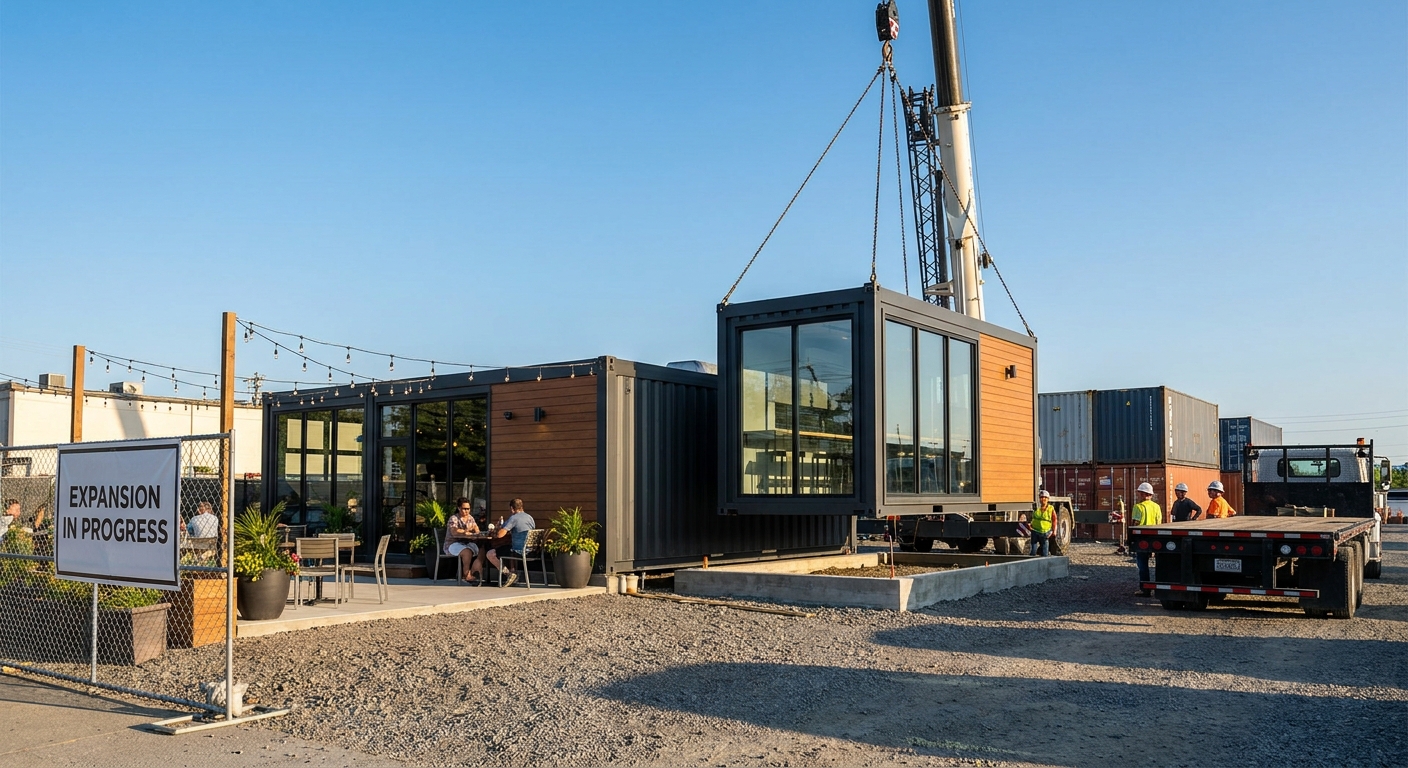
The beauty of shipping container bars is modularity. Start with one unit, prove the concept, then expand. Add a second container for storage or a satellite bar. Build a multi-level deck. Set up pop-up stations during events. The structure adapts as demand grows, and you're not locked into a permanent footprint that might be too big or too small six months from now.
Temporary solutions work too. Mobile carts, outdoor taps, and roving servers can absorb overflow without requiring a full buildout. The key is flexibility — knowing when to scale up and how to do it without losing the efficiency that made the original setup work.
What the Busy Nights Teach You
High-volume weekends reveal every weak point in your operation. Slow ticket times, inventory gaps, staffing shortages, and layout flaws all surface when the pressure's on. The operators who thrive are the ones who treat those nights as data — not disasters. They adjust, refine, and build systems that hold up under stress.
- Streamlined menus that prioritize speed and margin
- Pre-batched cocktails and draft systems that cut prep time
- Clear service windows and queue management that prevent bottlenecks
- Real-time inventory tracking so you never run dry mid-shift
- Cross-trained staff who can pivot roles without losing momentum
Design Choices That Pay Off Later
The decisions you make during the build phase determine how well you handle volume down the line. Electrical capacity, plumbing access, ventilation, and layout all matter. Cutting costs on infrastructure might save money upfront, but it caps your growth and creates headaches when you're trying to serve a packed crowd.
- Vertical storage that maximizes limited square footage
- Service windows positioned for optimal customer flow
- Backup power and water systems for high-demand nights
- Modular add-ons that expand capacity without full reconstruction
- Durable finishes that withstand heavy use and frequent cleaning
Technology Keeps the Line Moving
Manual processes break down under volume. Digital ordering, contactless payment, and automated inventory alerts all reduce friction. Customers order from their phones, staff focus on fulfillment, and the line moves faster. POS systems track sales in real time so you know what's selling and what's sitting.
- Mobile ordering apps that let customers skip the queue
- Contactless payment systems that speed up transactions
- Inventory management software that flags low stock before you run out
- Digital menu boards that update instantly based on availability
- Customer data platforms that help forecast demand and optimize staffing
Staffing Models That Scale
You can't run a high-volume container bar with a skeleton crew. Peak nights require more hands, but overstaffing during slow periods kills margins. We schedule based on historical data, local events, and weather forecasts. Flex staff, on-call bartenders, and cross-trained team members give us the ability to ramp up without carrying unnecessary labor costs year-round.
- Shift leads who manage flow and troubleshoot in real time
- Dedicated restockers who keep inventory moving without disrupting service
- Queue managers who organize the line and set expectations
- Floaters who jump between roles as demand shifts
- On-call staff who can cover surges during unexpected volume spikes
Customer Experience Under Load
When the bar is slammed, experience suffers if you're not careful. Long waits, unclear ordering processes, and crowded conditions frustrate customers. We manage expectations with visible wait time estimates, clear signage, and proactive communication. Outdoor seating, entertainment, and ambient lighting keep people engaged while they wait.
- Digital wait time displays that set realistic expectations
- Seating areas that give customers a place to relax between orders
- Music and lighting that create atmosphere even when the line is long
- Staff who acknowledge customers and keep the energy positive
- Loyalty programs or perks that reward patience during peak times
Volume Is the Real Stress Test
A shipping container bar can absolutely handle high-volume weekend crowds — but only if it's built, staffed, and managed with that goal in mind. The footprint is fixed, so everything else has to flex. Layout, inventory, technology, and team coordination all determine whether you thrive or buckle when the crowd shows up. The operators who win are the ones who plan for chaos, design for speed, and treat every busy night as proof that the system works. Many successful brewery owners have discovered that container beer gardens and beer concepts offer the perfect balance of capacity and efficiency for weekend crowds.
Let’s Build a Bar That Thrives on Busy Nights
We know what it takes to turn a shipping container bar into a high-volume powerhouse that keeps the drinks flowing and the crowd happy, no matter how busy the weekend gets. If you’re ready to design a space that works as hard as you do, let’s talk about your goals and how we can help you get there. Call us at 805-252-2701 or request a quote to start planning your next-level container bar today.
‹ Back
Recent Posts
-
Which Businesses Are a Good Fit for Shipping Container Buildings?
October 14, 2026
-
Is a Shipping Container Retail Store Right for Seasonal Sales?
September 30, 2026
-
Can a Shipping Container Kitchen Help Your Business Grow?
September 16, 2026
-
When Does a Shipping Container Bar Make Sense for Your Business?
September 2, 2026
-
How a Shipping Container Restaurant Makes Expansion Easier
August 19, 2026