.jpg)

By using our website, you agree to the use of cookies as described in our Cookie Policy
Can a Pop Up Shop in a Shipping Container Build Buzz Fast?
Most retailers think visibility comes from standing still. Claim your spot, build it out, and wait for customers to show. But the market doesn't reward patience anymore — it rewards movement. A shipping container pop up doesn't just compete with traditional storefronts. It disrupts the entire model. You're mobile. You're temporary. And if you do it right, you're unforgettable.
Here's what matters. If you're launching something worth noticing, the shipping container isn't just a box — it's the first impression, the photo op, and the story people tell their friends. But novelty alone won't save you. The execution has to be tight. The location has to be deliberate. And the experience has to justify the hype you're about to generate.
The Shipping Container Doesn't Need Permission to Turn Heads
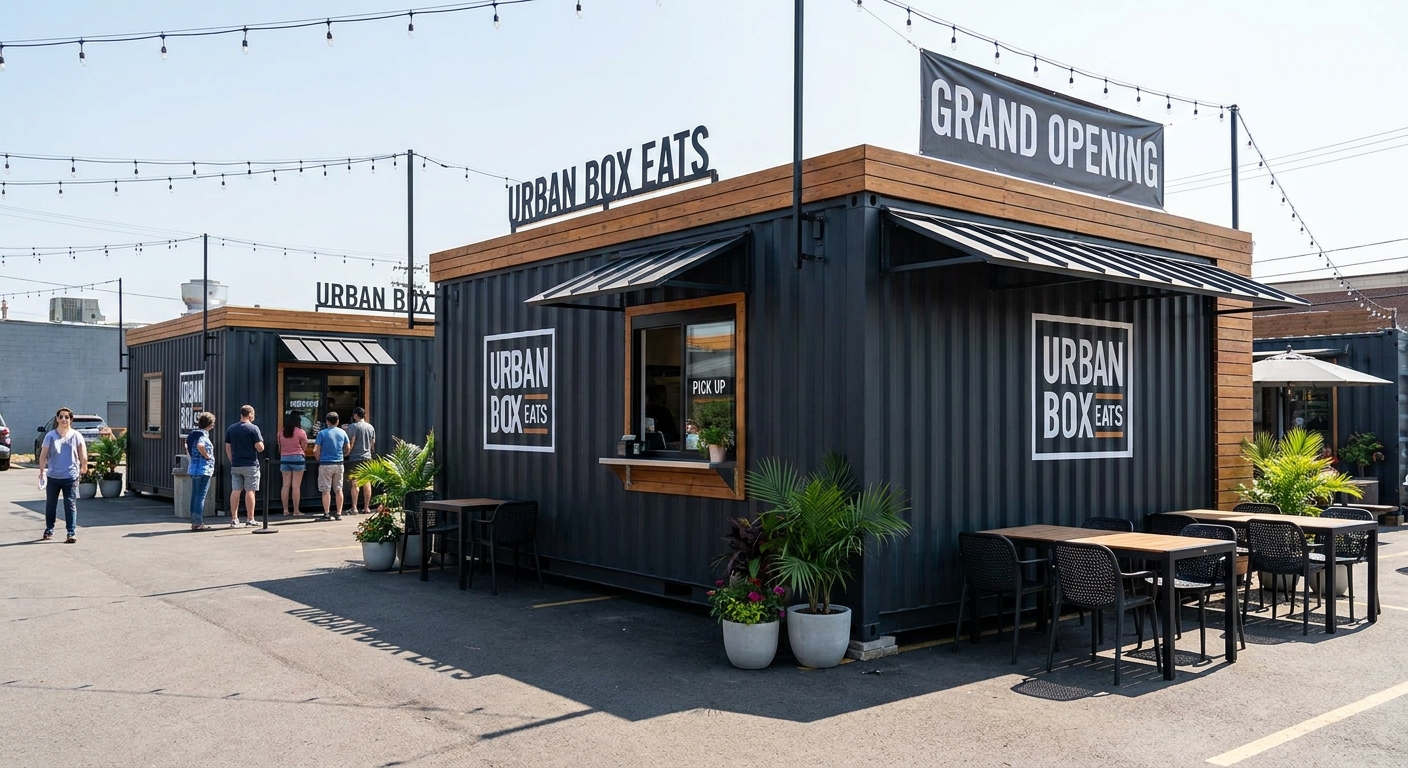
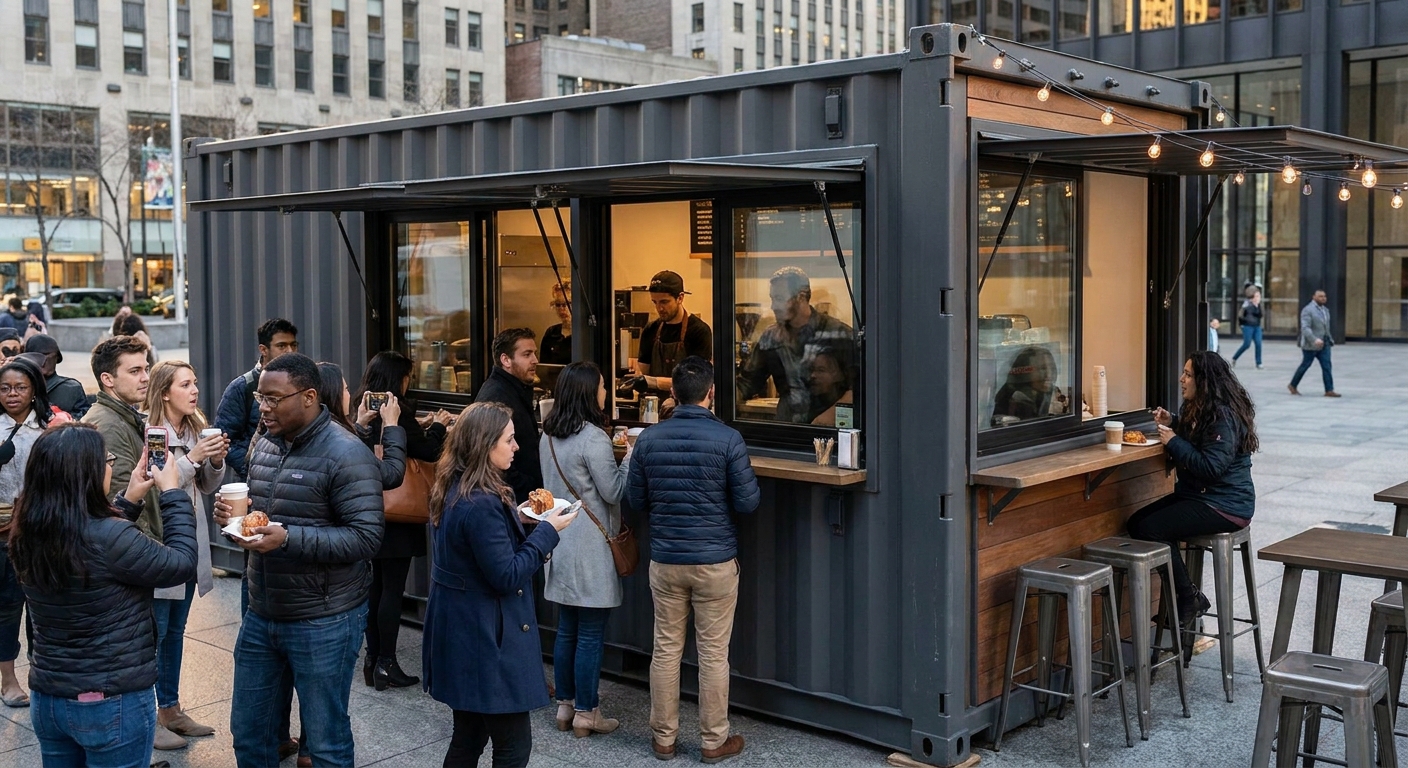
Steel walls and corrugated metal aren't the backdrop anyone expects for a retail experience. That contrast alone gets attention. We've seen brands turn these industrial frames into sleek showrooms, cozy coffee bars, and high-concept installations that feel more like art than commerce. The exterior signals something different. The interior delivers on that promise.
People stop because they're curious. They linger because the space feels intentional. And they share it online because a shipping container shop photographs better than another generic storefront. That's not luck — that's leverage. The format does half the marketing work before you even open the doors.
Speed Matters When the Moment Does
Traditional retail buildouts drag on for months. Permits, contractors, inspections — all while your opportunity window shrinks. A shipping container setup flips that timeline. You can design, fabricate, and deliver a fully functional shop in weeks, sometimes days if the stars align and your logistics are clean.
This speed means you can chase trends instead of reacting to them six months too late. Pop culture moment? Set up near the event. Seasonal demand spike? Drop a shipping container in the right neighborhood and capitalize before the wave passes. Flexibility like that doesn't exist in a locked-in lease with a landlord who won't return your calls.
Location Becomes a Variable, Not a Commitment
Most businesses pick a location and pray it works. You're testing whether foot traffic materializes, whether the demographics align, whether the neighborhood vibe fits your brand. That's expensive guesswork. A shipping container lets you experiment without the financial hangover.
Set up downtown for a month. Move to the waterfront for summer. Park at a festival, a farmer's market, or a college campus during orientation week. Each location teaches you something about your audience and how they respond. And if one spot underperforms? You're not stuck. You pivot.
The Experience Drives the Buzz
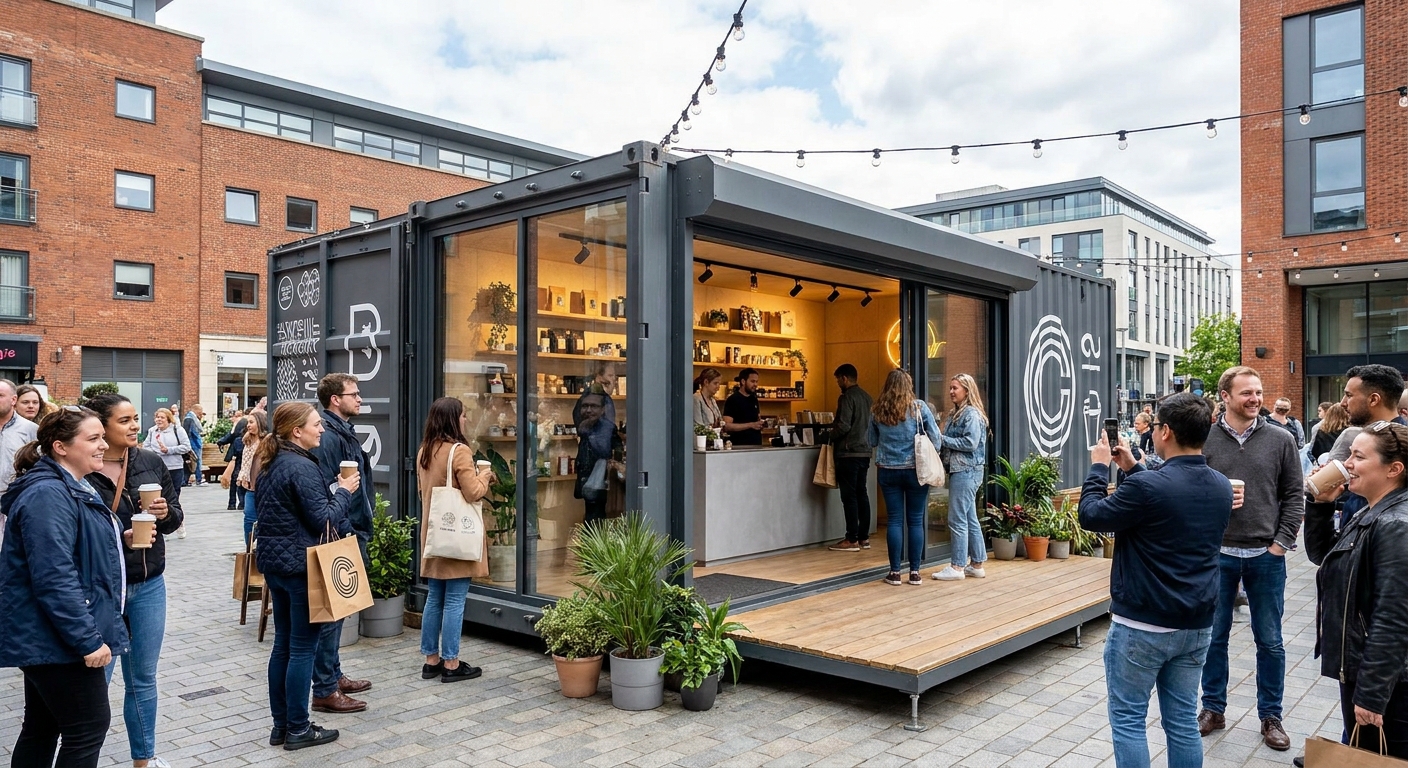
A shipping container shop works when the interior surprises people. We've seen brands nail this by going minimal and modern, or leaning into raw industrial vibes, or creating immersive themes that feel like stepping into a different world. The key is coherence — the outside teases, the inside delivers.
Limited-time access amplifies urgency. People know it won't be there next month, maybe not even next week. That scarcity pushes them to visit now, buy now, post now. Combine that urgency with a well-designed space, exclusive product drops, or live events, and you're not just selling — you're creating a moment people want to be part of.
Social Amplification Happens Without Asking
Shipping containers photograph well. The angles, the textures, the unexpected setting — it all translates into shareable content. Visitors become your marketing team the second they pull out their phones. Every tagged post, every story mention, every review extends your reach beyond the block you're parked on.
You can accelerate this by being strategic. Host influencer previews. Launch limited editions only available at the pop up. Run a contest tied to social posts. Give people a reason to broadcast their visit, and the buzz builds itself. Just make sure the experience backs up the hype, or the backlash will spread just as fast.
What Slows Most Operators Down
Space constraints hit harder than expected. A standard shipping container gives you 160 square feet if you're working with a 20-footer, 320 if you go 40. That's tight. Inventory management, customer flow, and visual merchandising all require precision. Overpack the space and it feels cramped. Underutilize it and you look unprepared.
Climate control isn't automatic. Steel boxes get hot in summer, cold in winter, and damp when it rains. HVAC solutions exist, but they cost money and take up space. Insulation helps. Ventilation matters. Ignoring either one makes for a miserable customer experience, no matter how Instagram-ready your setup looks.
Permitting and zoning rules vary wildly by city. Some municipalities treat shipping containers as temporary structures and wave you through. Others classify them as permanent installations and bury you in red tape. Research the regulations before you commit to a location, or you'll waste time fighting bureaucracy instead of serving customers.
What You Need to Make It Work
A clean concept matters more than a big budget. We've seen scrappy operators outperform polished brands because their idea was sharper and their execution was focused. Know what you're selling, who you're selling to, and why a shipping container format enhances the message. If the answer to that last part is "because it's trendy," rethink it.
Documentation and logistics separate smooth launches from disasters. You'll need the basics covered:
- Proof of insurance that covers the shipping container and its contents
- Permits for the specific location and duration
- Utility hookups if you're running power, water, or internet
- A transport plan that accounts for delivery, setup, and removal
- A backup location in case your first choice falls through
Design elements should enhance function, not fight it. Keep pathways clear. Use vertical space for displays. Invest in lighting that flatters your products and makes the space feel open. Every square foot has a job — make sure it's doing it.
When DIY Stops Being Smart
Some operators handle everything in-house. Others bring in specialists for fabrication, permitting, or logistics. The right choice depends on your resources and timeline. If you're launching in six weeks and don't know a welder, hire one. If permitting rules in your city read like a foreign language, find someone who speaks fluent bureaucrat.
Partners who specialize in temporary seasonal retail concepts can compress your timeline and reduce mistakes. They've already navigated the pitfalls — zoning disputes, failed inspections, transport delays — and they know how to route around them. That experience saves you time and money, especially on your first build.
The Format Works When the Strategy Does
Shipping container pop ups generate buzz because they're unexpected, mobile, and experiential. But buzz without substance evaporates fast. The brands that win with this format treat it as part of a larger strategy — testing markets, building brand equity, or creating urgency around limited releases.
At BusinessCapital.com, we've seen pop up retail thrive when retailers, food vendors, and service providers all use shipping containers to break through the noise. The ones who succeed share a common thread: they plan the experience as carefully as they plan the business. Businesses exploring event shipping containers or food shipping containers often find the format allows them to test concepts before committing to permanent locations. If you're ready to move fast and build something people actually want to talk about, exploring shipping container concepts might be exactly the format you need.
Funding a Move That Moves Fast
Building out a shipping container shop requires upfront capital. Design, fabrication, permits, transport, utilities — the costs add up faster than most first-timers expect. If you're planning a launch and need financing that keeps pace with your timeline, we can help.
Our team has funded thousands of business owners with flexible capital that doesn't require equity or slow-walk approvals. Call 877-400-0297 to speak with a funding advisor, or apply online for a same-day decision. Speed matters when the opportunity does.
Let's Build Your Pop Up Momentum
We know how crucial it is to seize the moment and make your pop up shop stand out from the crowd. If you're ready to turn your shipping container concept into a real-world buzz generator, let's make it happen together. Call us at 805-252-2701 or request a quote and we'll help you get your project moving fast.
‹ Back
Recent Posts
-
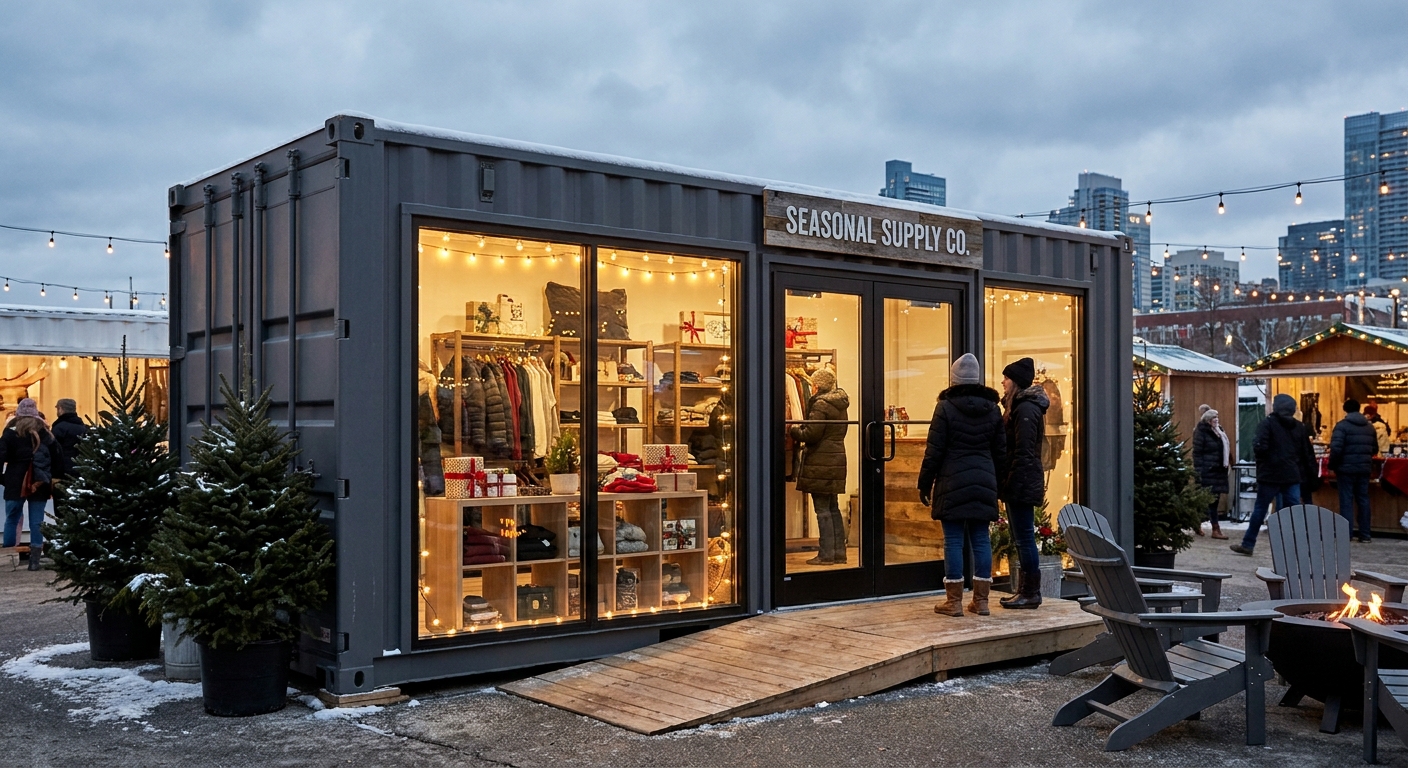
Is a Shipping Container Retail Store Right for Seasonal Sales?
September 30, 2026
-
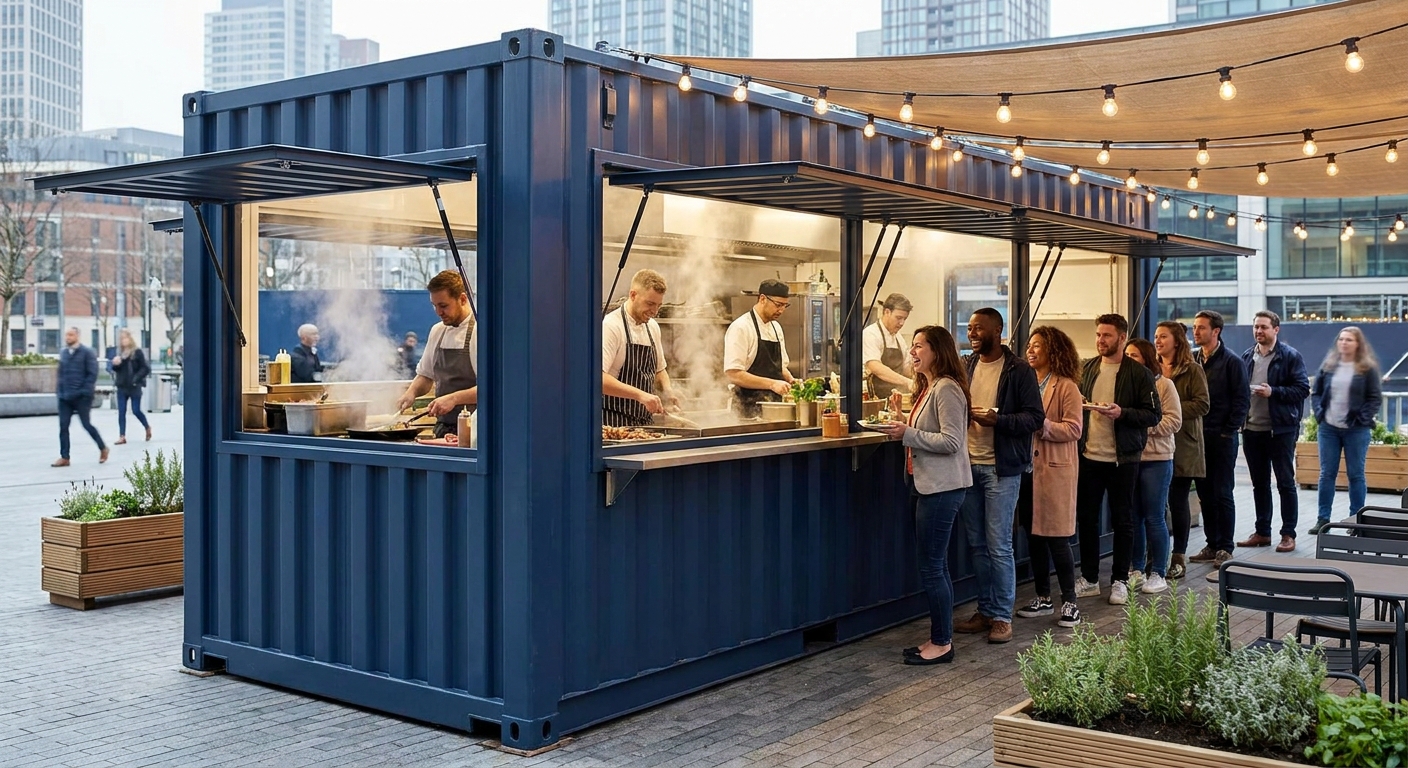
Can a Shipping Container Kitchen Help Your Business Grow?
September 16, 2026
-
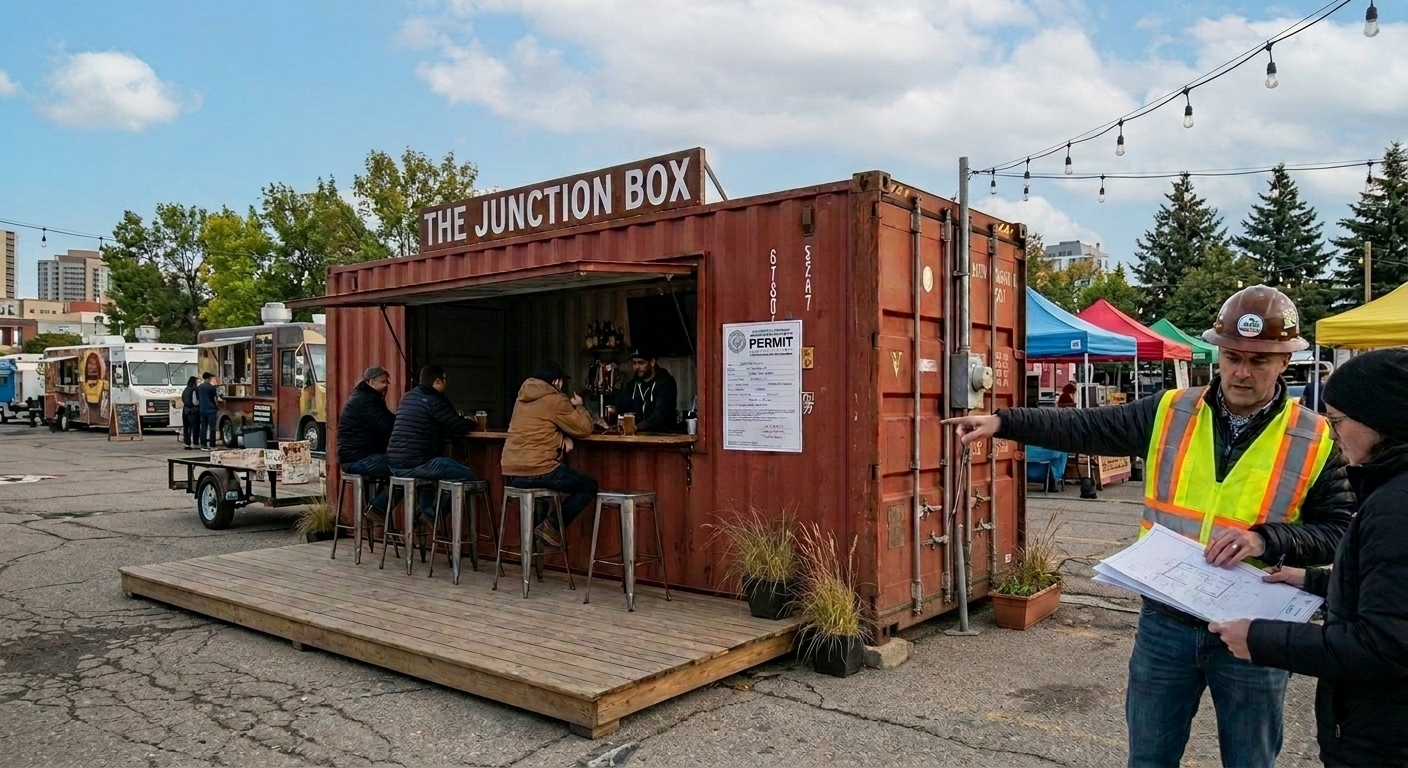
When Does a Shipping Container Bar Make Sense for Your Business?
September 2, 2026
-
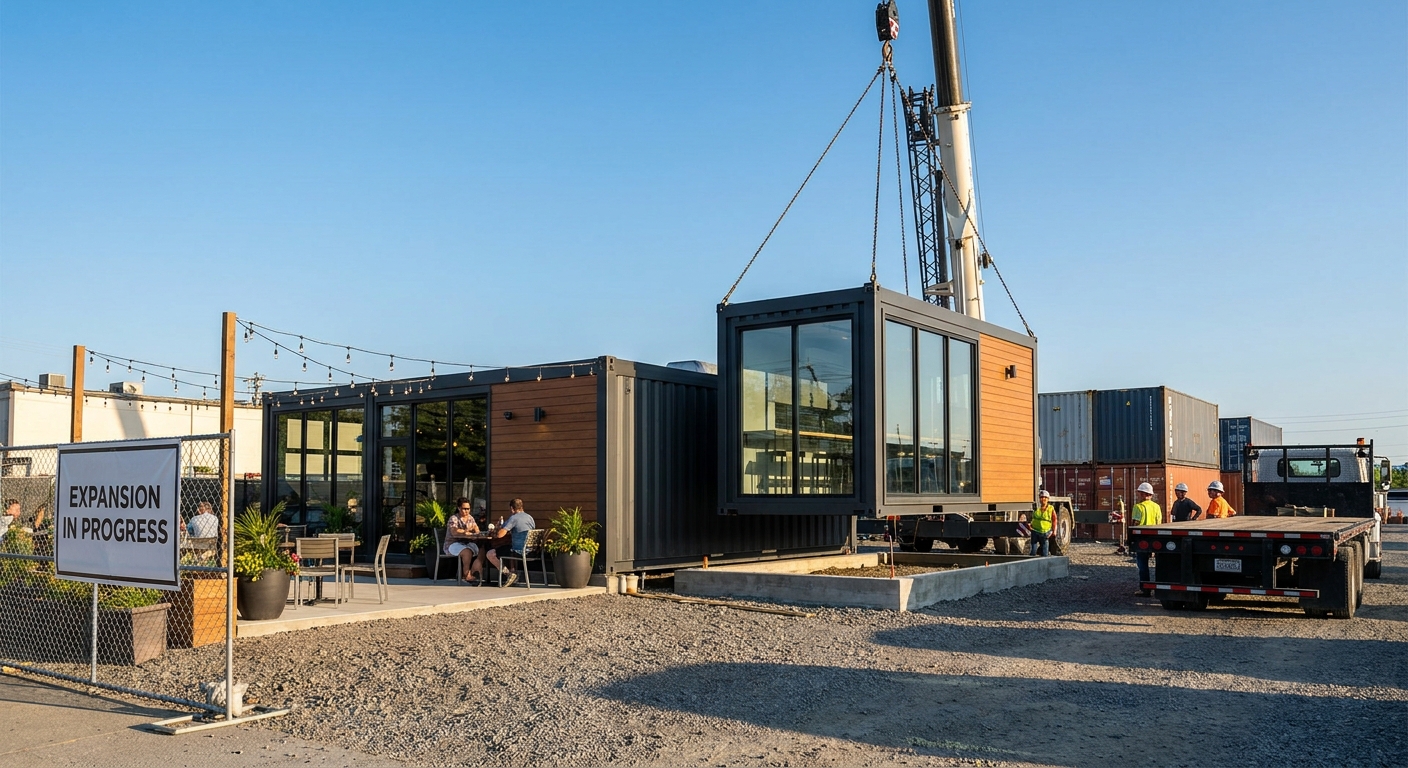
How a Shipping Container Restaurant Makes Expansion Easier
August 19, 2026
-