.jpg)

By using our website, you agree to the use of cookies as described in our Cookie Policy
Is a Shipping Container Bar a Smart Move for Event Venues?
Event venues operate in a landscape where differentiation isn't optional—it's survival. Your competitor down the street just added something new. The festival circuit keeps raising the bar. And clients? They want experiences that photograph well and feel fresh. Shipping container bars have exploded in popularity because they check boxes traditional setups can't. But before you sign off on one, you need to know what you're actually getting into—not just the Instagram version.
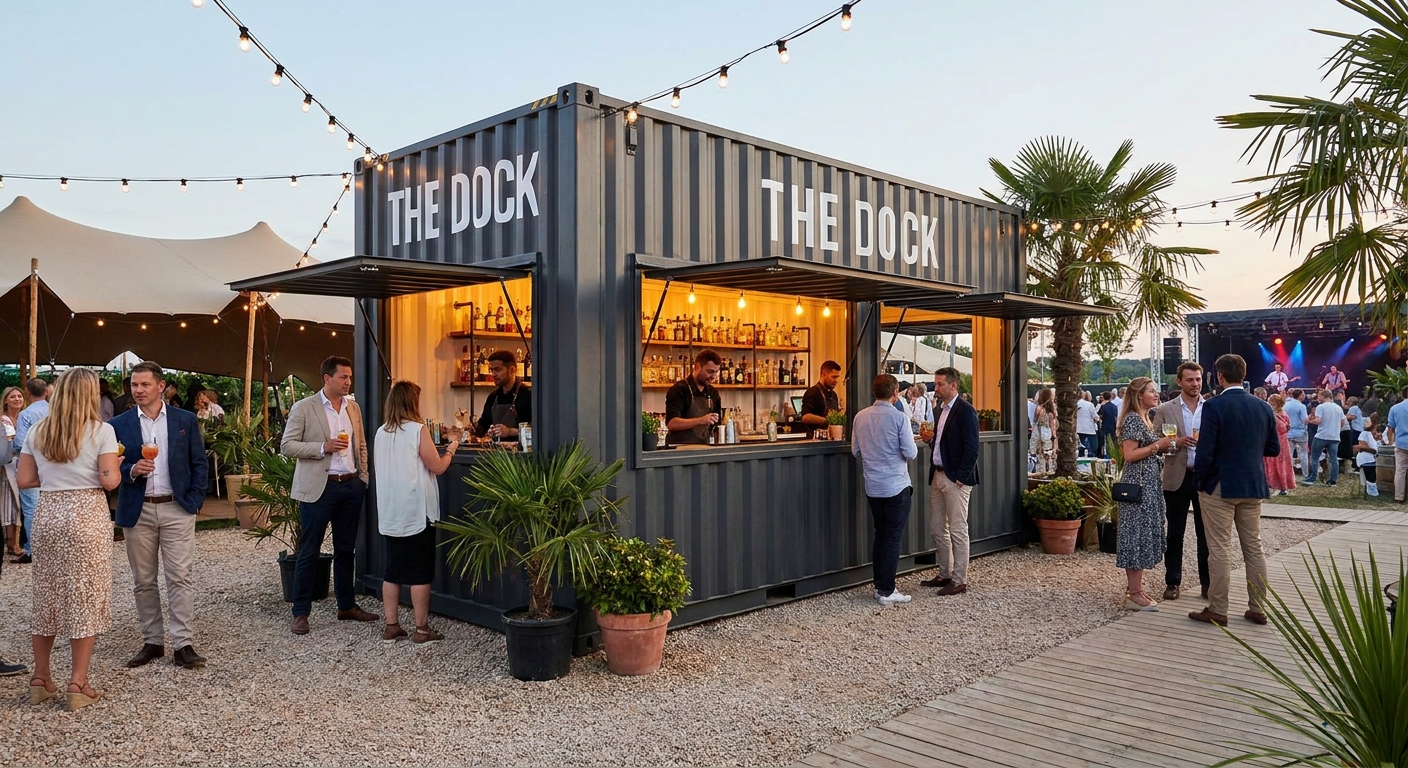
These aren't your standard beverage stations. We're talking repurposed shipping containers transformed into working bars with plumbing, refrigeration, custom branding, and enough visual punch to anchor an entire event. They show up at weddings, corporate functions, outdoor festivals, and permanent venue installations. The question isn't whether they look good. It's whether they make financial and operational sense for your venue—and whether the investment holds up under real-world conditions.
Why Venues Are Making the Switch
Shipping container bars solve problems traditional structures can't touch. Mobility tops the list. You can reposition them for different events, move them seasonally, or relocate them entirely if your venue layout shifts. That kind of flexibility matters when you're juggling bookings that range from intimate gatherings to large-scale productions. A fixed bar ties you to one spot. A shipping container bar adapts.
Then there's the aesthetic angle. These units bring an industrial-modern edge that photographs like crazy and gives your space instant personality. Customization options run deep—paint, lighting, signage, even full exterior wraps. If your brand identity leans contemporary or you're courting clients who value design, a shipping container bar becomes more than functional. It becomes a statement piece that guests remember and share.
- Relocate between indoor and outdoor zones depending on event type
- Rebrand or refresh exterior design without major construction
- Deploy at off-site events if your venue offers mobile services
- Scale beverage operations up or down based on guest count
- Avoid lengthy permitting processes tied to permanent structures
Cost Efficiency Versus Traditional Builds
Building a conventional bar from scratch means blueprints, contractors, permits, inspections, and months of work. Shipping container bars arrive turnkey or near-turnkey, cutting that timeline to weeks—sometimes days. Upfront costs vary based on customization level, but you're generally looking at less capital than a ground-up build. Speed matters when you need to start generating revenue or book events that depend on having a functional bar in place.
Maintenance and longevity factor in too. Steel shipping containers hold up well if properly treated, but you'll need to address rust prevention, insulation, and weatherproofing. Cutting corners on materials or installation will cost you later in repairs or replacements. Work with suppliers who understand the difference between a showpiece and a workhorse—you need both.
- Faster installation compared to traditional construction timelines
- Lower labor costs due to prefabricated design
- Reduced downtime between decision and operational readiness
- Potential resale value if you decide to upgrade or pivot
- Predictable budgeting with all-inclusive pricing options
Logistics That Make or Break the Investment
You can't just drop a shipping container bar anywhere and call it done. Access matters—delivery trucks need room to maneuver, and cranes or forklifts may be required depending on placement. Ground conditions matter too. Uneven surfaces create operational headaches and safety risks. You'll need level, stable terrain, plus proximity to utilities unless you're running off-grid systems.
Zoning and permitting can blindside venues that don't do homework upfront. Some municipalities treat shipping container bars as temporary structures; others classify them as permanent installations with stricter requirements. Check local codes early, and don't assume what worked for another venue will fly at yours. Compliance isn't glamorous, but it prevents expensive surprises and delayed openings.
- Verify delivery access and shipping container dimensions against your site
- Confirm zoning classification and permit requirements
- Plan utility hookups for water, electricity, and drainage
- Assess foundation needs—concrete pads, gravel, or leveling blocks
- Budget for site prep costs that may not be included in shipping container pricing
Weather, Comfort, and Year-Round Use
Outdoor bars face climate challenges traditional indoor setups avoid. Heat turns metal shipping containers into ovens. Cold makes them miserable for staff and guests. Insulation, HVAC, and ventilation aren't optional—they're baseline requirements if you want year-round functionality. Awnings, fans, or patio heaters extend usability, but they add to operating costs and complexity.
Guest experience drives repeat business. If your shipping container bar feels like a sweatbox in July or an icebox in January, people remember. Invest in climate control that matches your region's demands. Staff comfort matters just as much—bartenders stuck in uncomfortable conditions won't deliver the service your venue promises.
- Install insulation rated for your climate extremes
- Add HVAC or ventilation systems that keep interior temps manageable
- Consider awnings or canopies for shade and rain protection
- Use weatherproof finishes to prevent rust and corrosion
- Test operations during peak heat and cold before booking events
Customization Costs and Long-Term Upkeep
Basic shipping container bars run cheaper, but outfitting them with plumbing, refrigeration, point-of-sale systems, and custom finishes escalates costs fast. Decide upfront what features are non-negotiable versus nice-to-have. Skimping on essentials like proper drainage or electrical capacity will haunt you. Splurging on aesthetics that don't boost functionality or bookings wastes capital.
Maintenance schedules keep your investment performing. Regular inspections catch rust, leaks, or equipment failures before they shut you down mid-event. Partner with suppliers who offer support or have service networks. DIY fixes work for minor issues, but major problems need professionals who know commercial bar systems and shipping container construction.
- Prioritize functional upgrades over purely decorative elements
- Source equipment designed for commercial outdoor use
- Establish maintenance schedules for rust treatment and sealing
- Keep spare parts on hand for high-wear components
- Document all customizations for insurance and resale purposes
When Shipping Container Bars Don't Make Sense
Not every venue benefits equally. If you host exclusively indoor events with ample built-in bar space, a shipping container bar adds complexity without solving problems. Venues with tight layouts or restricted access may find delivery and placement impractical. And if your brand identity leans traditional or upscale-classic, the industrial vibe might clash rather than complement.
Budget constraints matter too. If capital is tight and your existing setup meets demand, investing in a shipping container bar diverts resources from higher-priority upgrades. Be honest about whether this move strengthens your competitive position or just checks a trend box. Venues that thrive with shipping container bars typically have clear operational gaps the units fill—mobility needs, branding opportunities, or capacity expansion without permanent construction.
Getting It Right From the Start
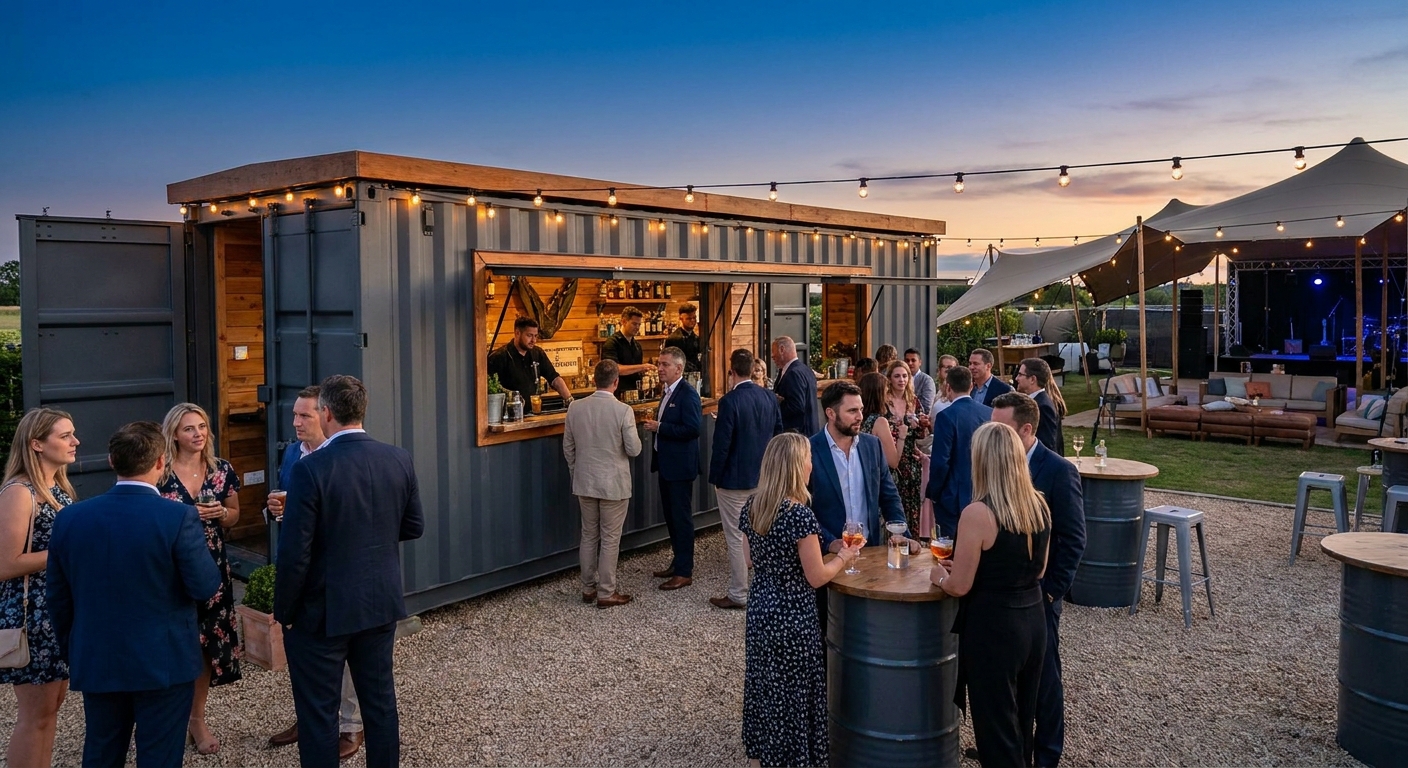
Shipping container bars work when venues treat them as serious infrastructure, not just Instagram props. That means proper site prep, quality materials, realistic budgets, and maintenance plans. It means understanding local regulations and working with suppliers who've done this before—not the cheapest bidder with a shiny website. Cutting corners guarantees problems, and problems during events cost you more than money. They cost reputation.
If your venue model relies on flexibility, modern aesthetics, or expanding beverage service without major construction, a shipping container bar delivers. But only if you approach it like any other capital investment—with due diligence, clear objectives, and a plan that extends beyond the ribbon-cutting photo. Done right, it becomes a revenue generator and differentiator. Done poorly, it sits unused or requires expensive fixes that erase any savings you thought you gained. We've seen both outcomes, and the difference always comes down to preparation. Understanding how the process works ensures you make informed decisions that align with your operational goals and create lasting value for your venue. Event shipping containers represent a significant investment that demands strategic planning and realistic expectations from the outset.
Let's Elevate Your Event Space Together
Choosing the right bar setup can transform your venue's appeal and profitability. If you're ready to explore how a shipping container bar could fit your unique needs, let's talk through your options and make sure you get a solution that works for your business. Call us at 805-252-2701 or Request A Quote today—we're here to help you create an unforgettable guest experience from the very first pour.
‹ Back
Recent Posts
-
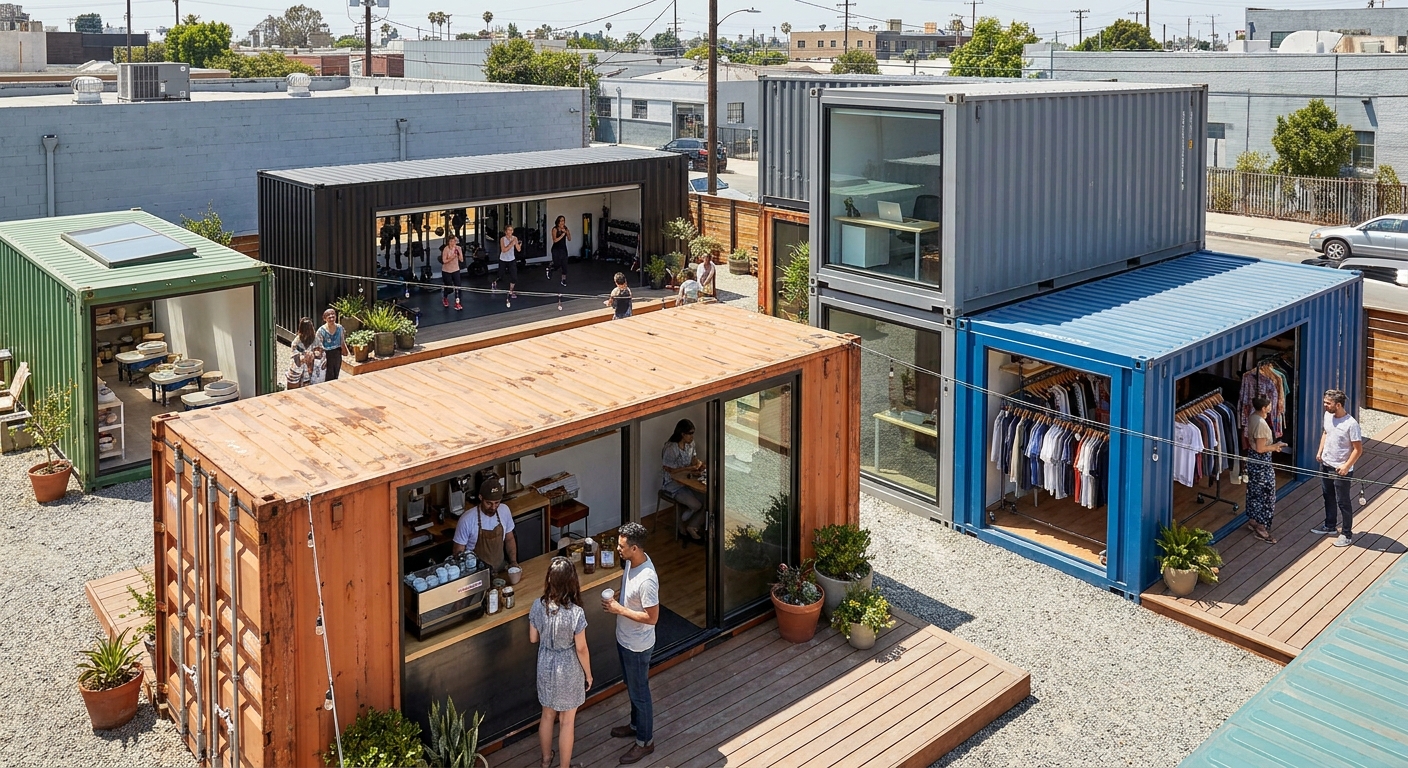
Which Businesses Are a Good Fit for Shipping Container Buildings?
October 14, 2026
-
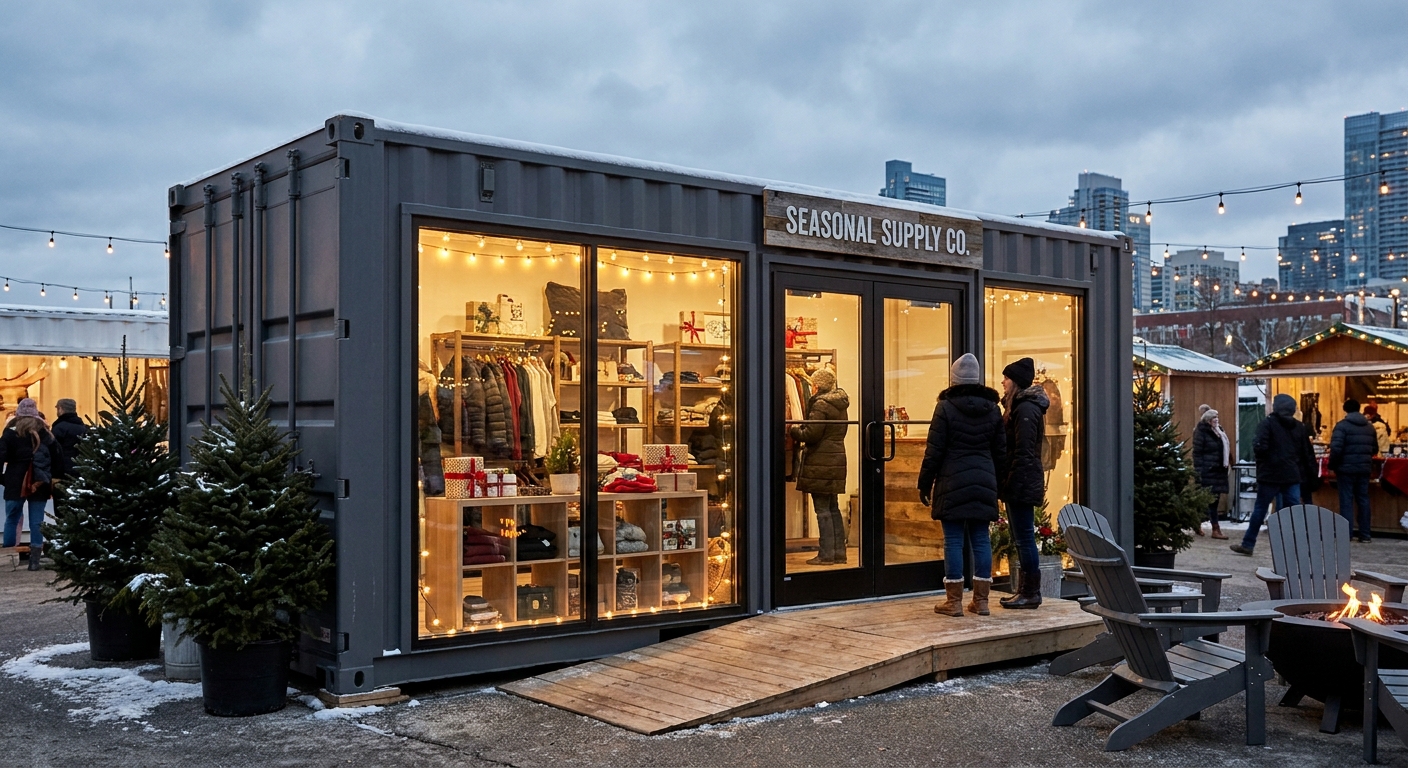
Is a Shipping Container Retail Store Right for Seasonal Sales?
September 30, 2026
-
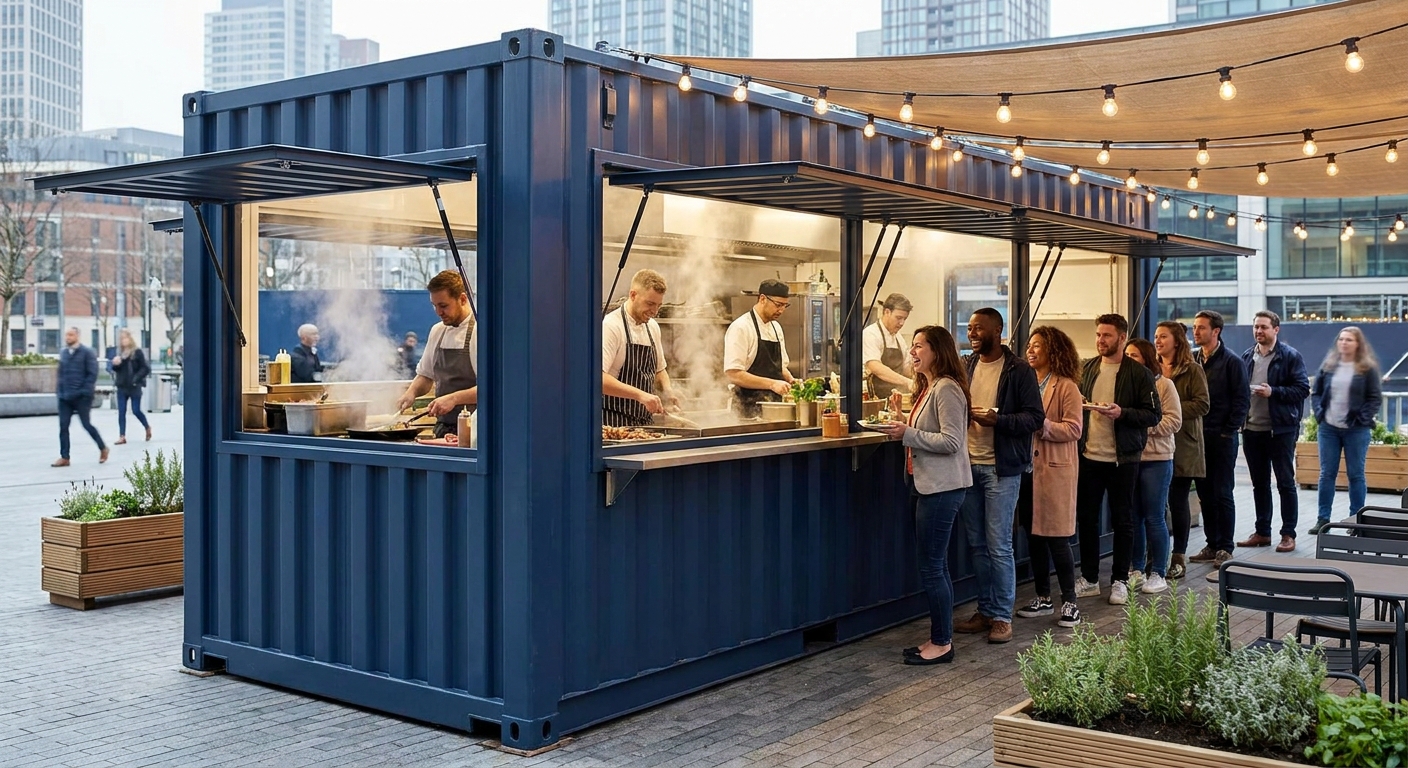
Can a Shipping Container Kitchen Help Your Business Grow?
September 16, 2026
-
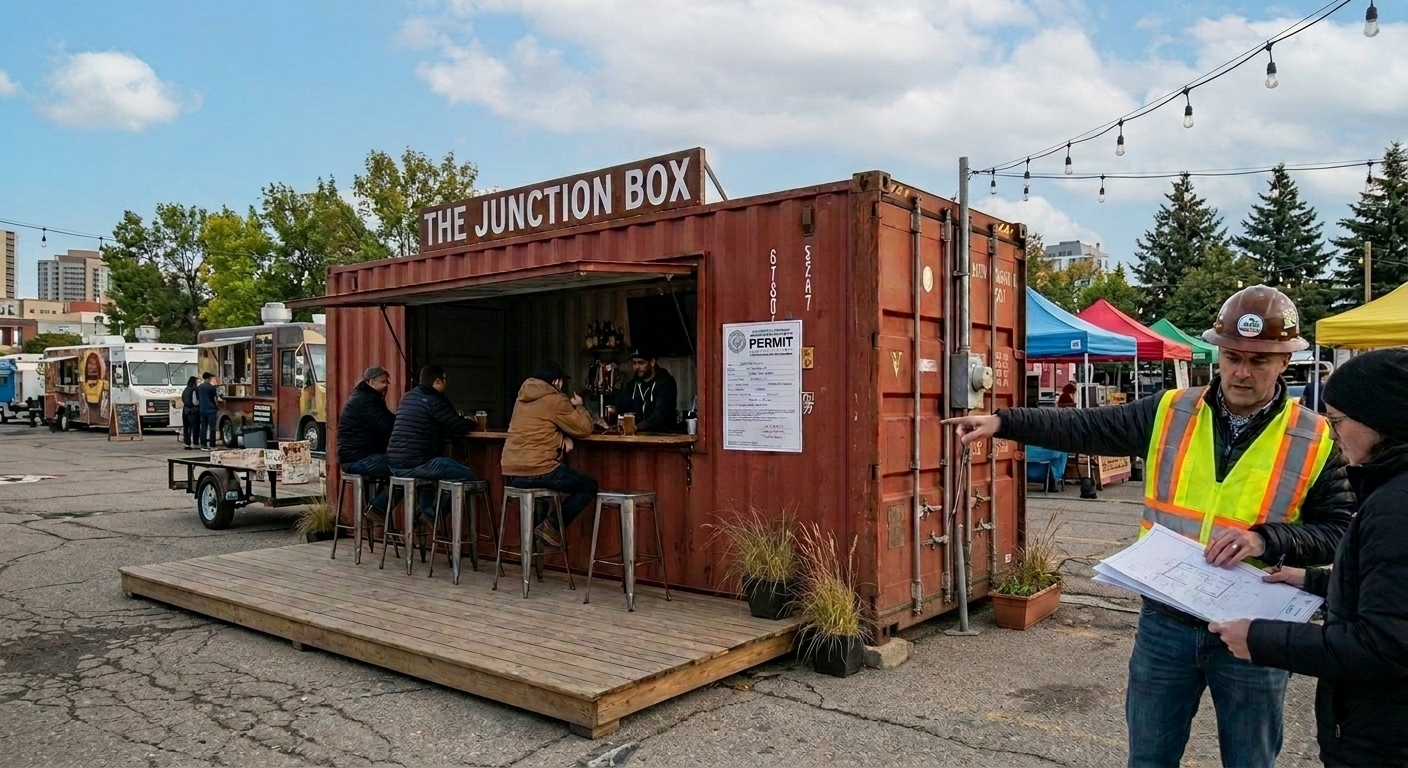
When Does a Shipping Container Bar Make Sense for Your Business?
September 2, 2026
-
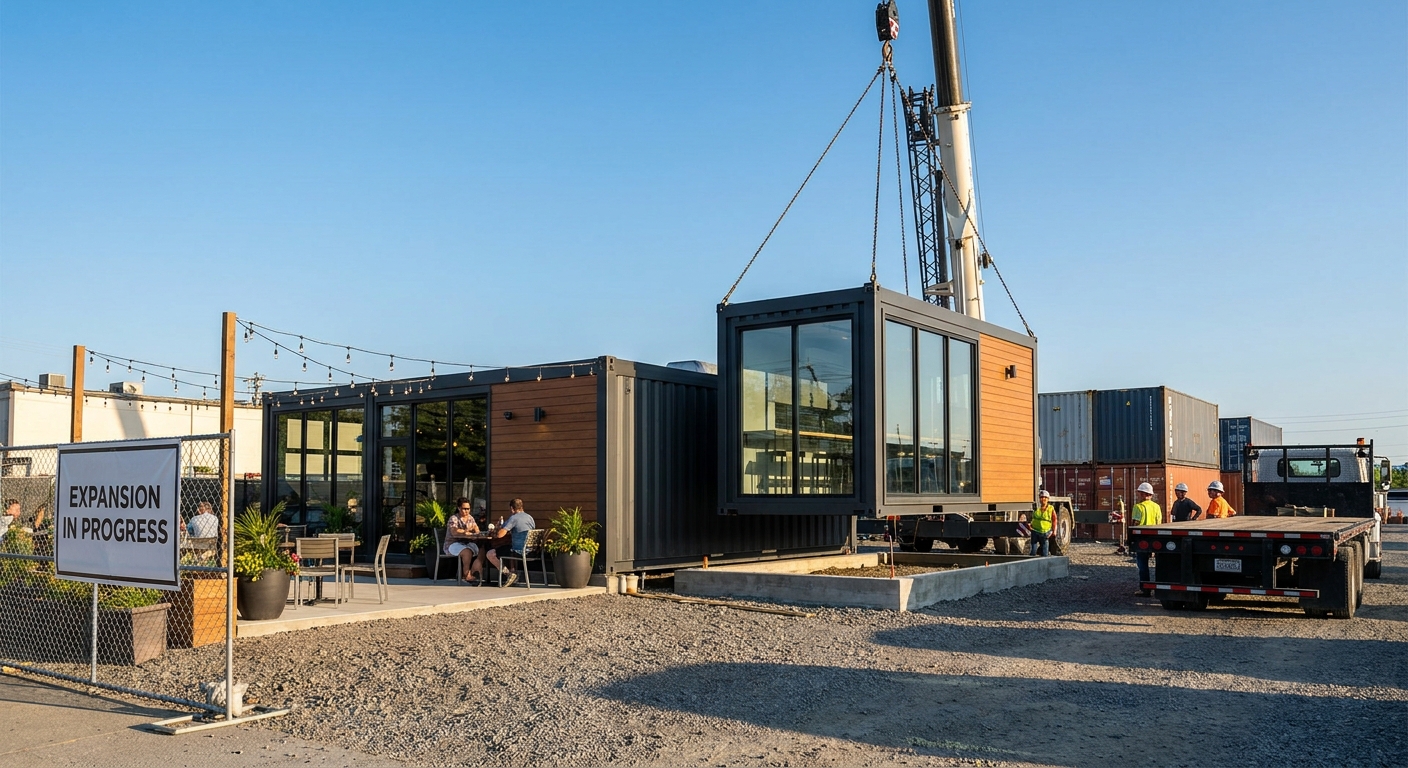
How a Shipping Container Restaurant Makes Expansion Easier
August 19, 2026