
.jpg)

By using our website, you agree to the use of cookies as described in our Cookie Policy
Is a Shipping Container Kitchen Good for Stadium Concessions?
Stadium operators aren't just looking for food service anymore. They're hunting for speed, flexibility, and a way to turn concessions into an experience. Shipping container kitchens have started showing up at venues across the country, and for good reason. They're modular, movable, and built to handle high-volume events without the headaches of traditional construction. But that doesn't mean they're a slam dunk for every situation.
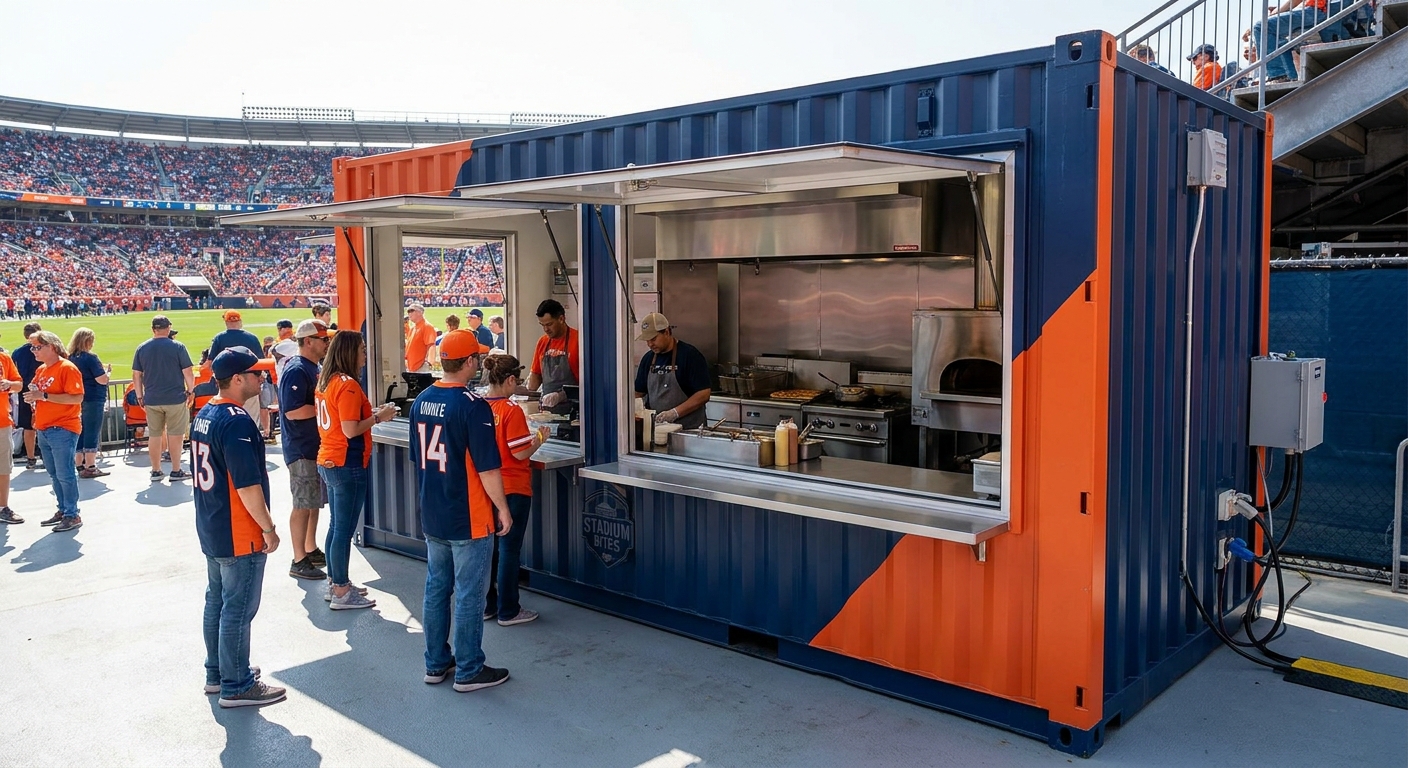
The real question isn't whether they work. It's whether they work for your venue, your crowd, and your revenue model. Because what looks like a smart move on paper can turn into a logistical nightmare if you don't know what you're walking into.
Why Venues Are Making the Switch
Traditional concession stands take forever to build and cost a fortune to maintain. Shipping container kitchens flip that script. You can have one delivered, outfitted, and operational in a fraction of the time it takes to pour a foundation. That speed matters when you're trying to launch a new food concept or respond to shifting fan expectations.
But it's not just about speed. These kitchens give you options. You can move them between zones, rotate vendors, or set them up for specific events without locking yourself into permanent infrastructure. That flexibility is a game-changer for venues that host everything from minor league baseball to multi-day festivals.
- Deploy faster than traditional builds without months of permitting delays
- Relocate to high-traffic areas depending on the event or season
- Test new food concepts without committing to long-term construction
- Scale up or down based on attendance and demand
- Brand the exterior with team colors, sponsors, or rotating partnerships
Where Shipping Container Kitchens Deliver Real Value
Shipping container kitchens shine when you need to serve volume without overbuilding. They're compact enough to fit in tight spaces but powerful enough to handle serious throughput. You can outfit them with fryers, grills, pizza ovens, or full beverage stations depending on what your menu calls for.
The cost savings aren't just upfront. You're also avoiding the long-term maintenance and operational drag that comes with traditional concession buildings. And if the kitchen doesn't perform or the vendor relationship changes? You can swap it out or repurpose the space without tearing down walls.
- Lower initial investment compared to permanent concession stands
- Reduced permitting complexity in many jurisdictions
- Easier to update or replace equipment without major renovations
- Less infrastructure required for temporary or seasonal setups
- Potential for multi-use applications beyond stadium events
The Trade-Offs You Need to Plan For
Shipping container kitchens aren't magic. They come with limitations, and ignoring them is how venues end up with bottlenecks, compliance issues, or frustrated vendors. Space is the biggest constraint. You're working inside a steel box, and even with smart design, there's only so much room for staff, equipment, and inventory.
Utilities are the second headache. Water, power, and waste disposal all need to connect cleanly, and not every venue has the infrastructure to support a mobile kitchen. Some operators solve this with self-contained systems—water tanks, generators, holding tanks—but those come with their own maintenance and operational costs.
- Limited square footage restricts menu size and prep capacity
- Utility hookups may require additional infrastructure or workarounds
- Ventilation and fire safety codes still apply and must be met
- Weather extremes can impact comfort and equipment performance
- Multiple units may be needed to serve large crowds effectively
Compliance Isn't Negotiable
Health codes don't care whether your kitchen is made of steel or brick. You still need proper ventilation, grease traps, handwashing stations, and waste management. Some jurisdictions treat shipping container kitchens as temporary structures, which can simplify permitting. Others hold them to the same standards as permanent builds.
Don't assume your supplier handled it. Work with manufacturers who know the food service regulations in your area and can prove their builds meet code. Otherwise, you're the one dealing with inspectors, fines, or shutdown orders on game day.
- Ensure compliance with local health and fire safety regulations
- Confirm ventilation systems meet commercial kitchen standards
- Verify sanitation and waste disposal meet code requirements
- Check whether your jurisdiction classifies shipping containers as temporary or permanent
- Partner with experienced fabricators who understand compliance
When It Makes Sense to Go All In
Shipping container kitchens work best when you're looking to diversify your food lineup, expand capacity without major construction, or test new vendors and concepts. They're ideal for venues that host a mix of events and need the ability to adapt quickly. They also make sense if you're trying to improve flow and reduce wait times by adding satellite service points around the stadium.
But if your venue demands massive throughput from a single location, or if you're locked into permanent infrastructure anyway, a shipping container might not add enough value to justify the logistics. The key is knowing what problem you're solving and whether a modular kitchen is the right tool for the job.
Build Smart or Don't Build at All
Shipping container kitchens aren't a shortcut. They're a strategic choice that works when you've done the homework. That means understanding your utility access, your compliance requirements, and your operational goals before you sign anything. It also means working with vendors and fabricators who won't leave you scrambling when inspectors show up or equipment fails mid-event. Get it right, and you'll have a flexible, high-performing asset that pays for itself. Get it wrong, and you'll have an expensive steel box collecting dust in your parking lot.
Let's Bring Your Stadium Concessions to Life
We know how important it is to keep fans happy and lines moving at every event. If you're ready to explore how a shipping container kitchen can transform your stadium's food service, let's talk about your goals and the best way to make it happen. Call us at 805-252-2701 or request a quote today to get started on a solution tailored to your venue.
‹ Back
Recent Posts
-
Which Businesses Are a Good Fit for Shipping Container Buildings?
October 14, 2026
-
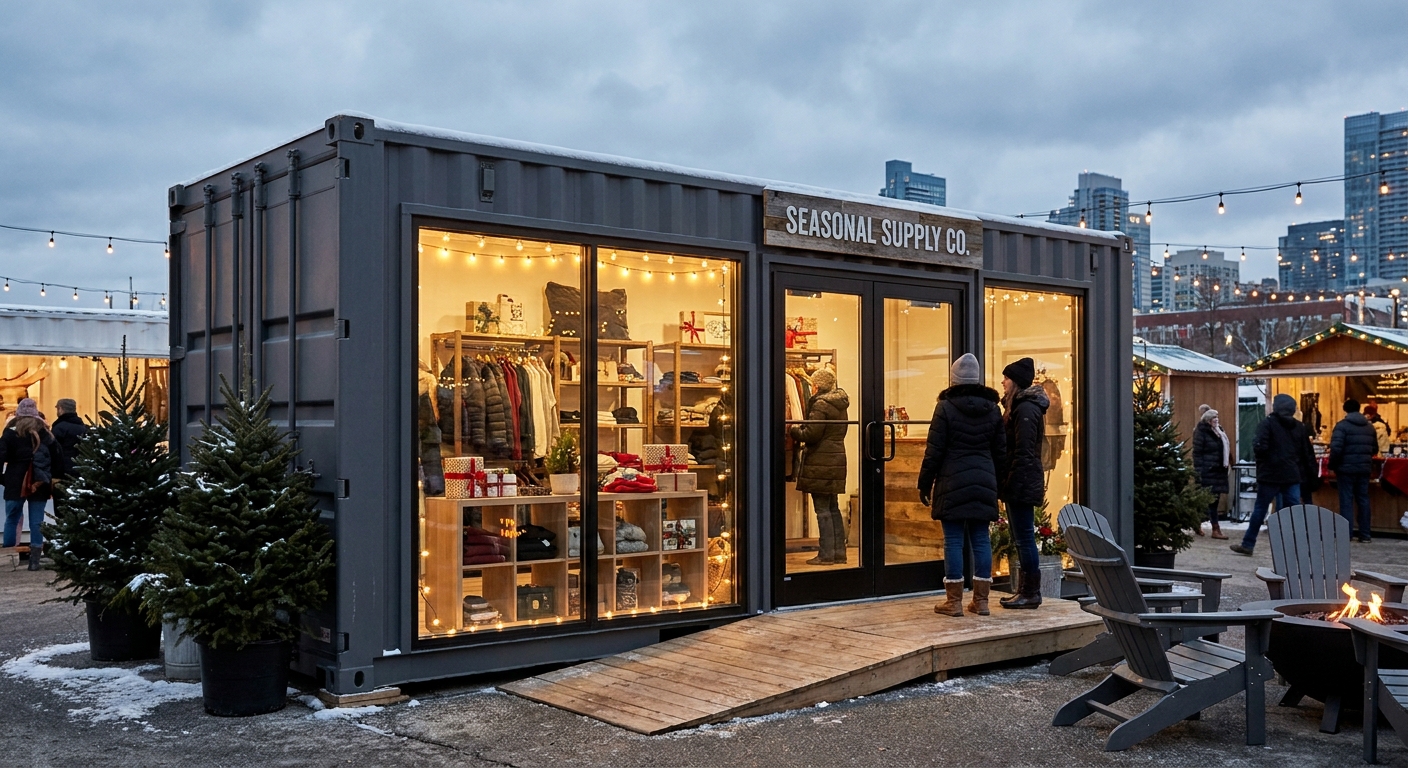
Is a Shipping Container Retail Store Right for Seasonal Sales?
September 30, 2026
-
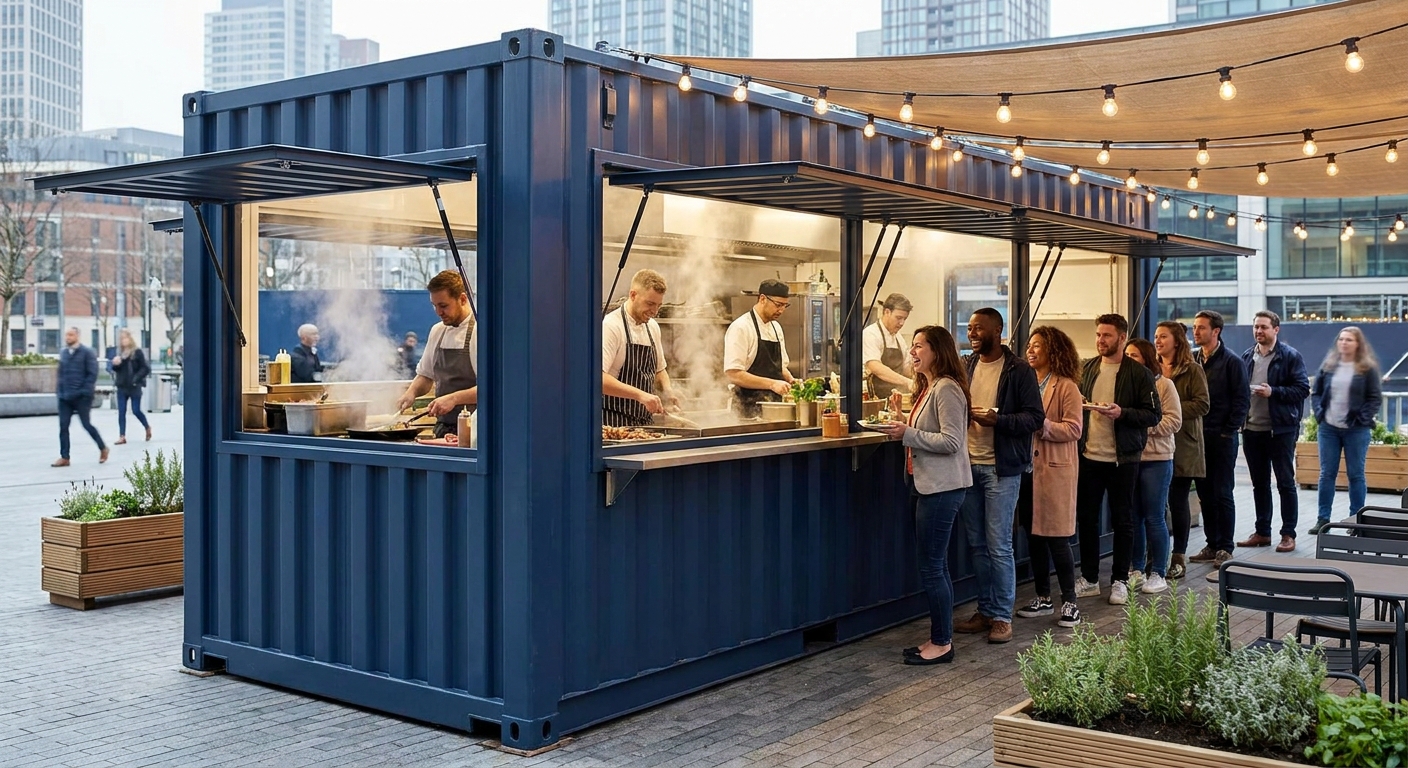
Can a Shipping Container Kitchen Help Your Business Grow?
September 16, 2026
-
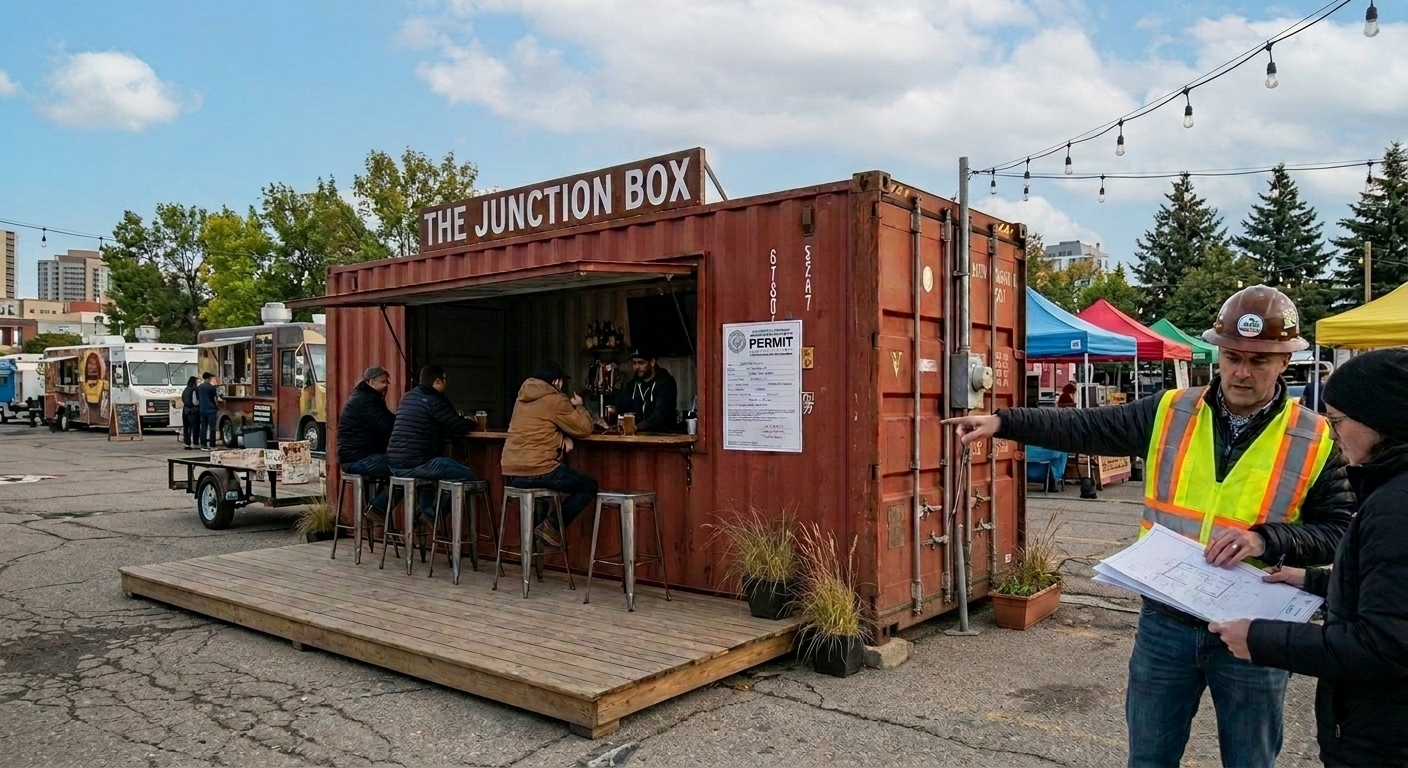
When Does a Shipping Container Bar Make Sense for Your Business?
September 2, 2026
-
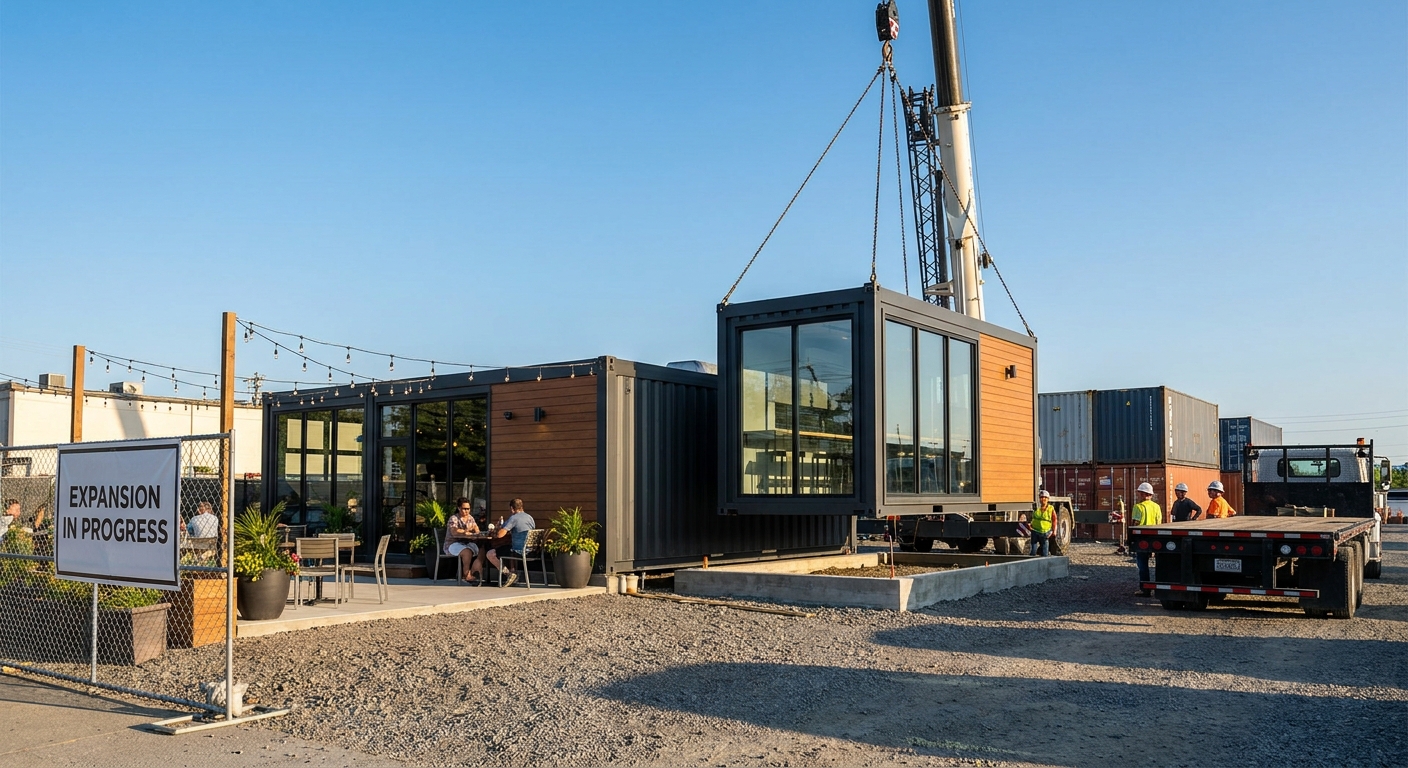
How a Shipping Container Restaurant Makes Expansion Easier
August 19, 2026