.jpg)

By using our website, you agree to the use of cookies as described in our Cookie Policy
Can a Shipping Container Kitchen Help Your Business Grow?
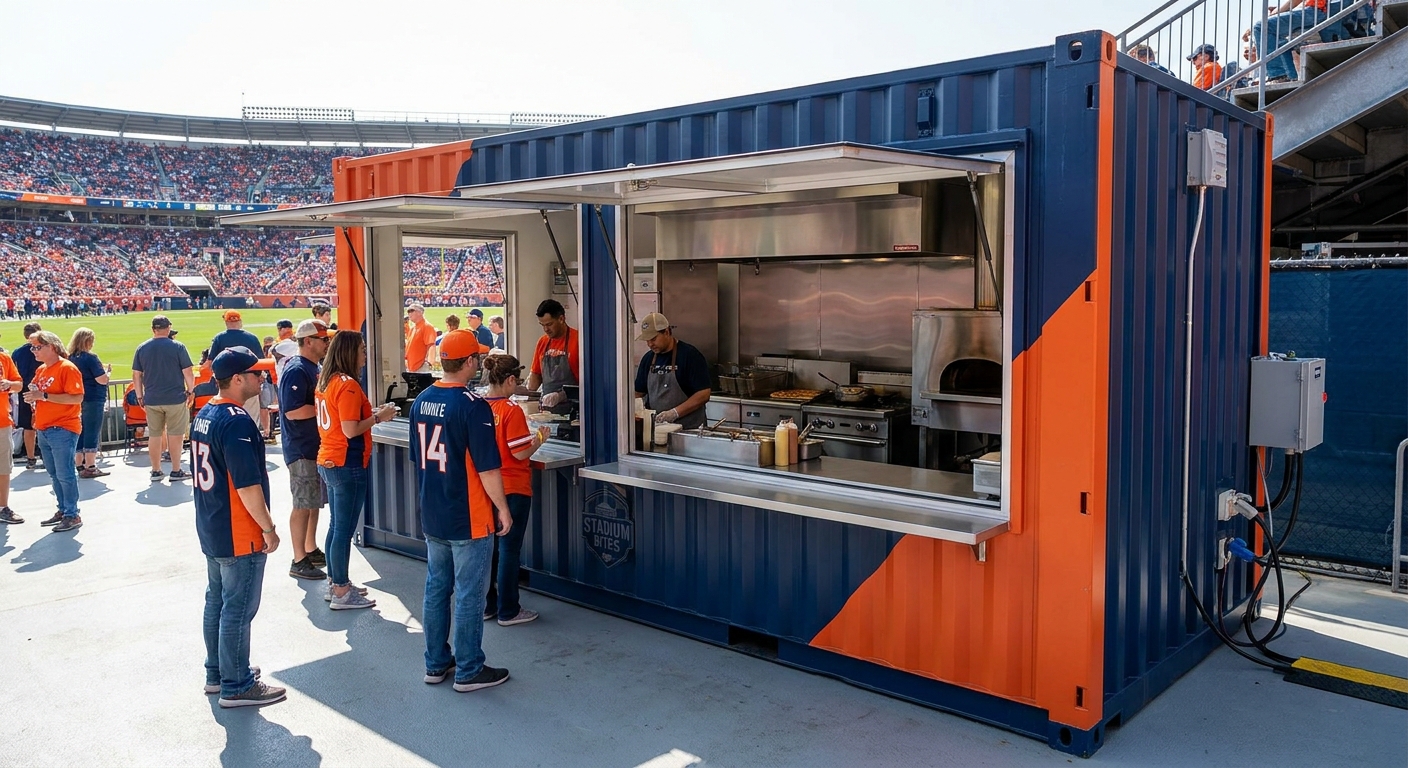
Most food entrepreneurs see containers and think cheap alternative. Something temporary. A stepping stone to the real deal. But the operators who actually scale with these setups? They see speed, flexibility, and capital efficiency rolled into steel. Shipping container kitchens aren't about cutting corners — they're about controlling costs while testing concepts that brick-and-mortar would bury before you ever opened the doors.
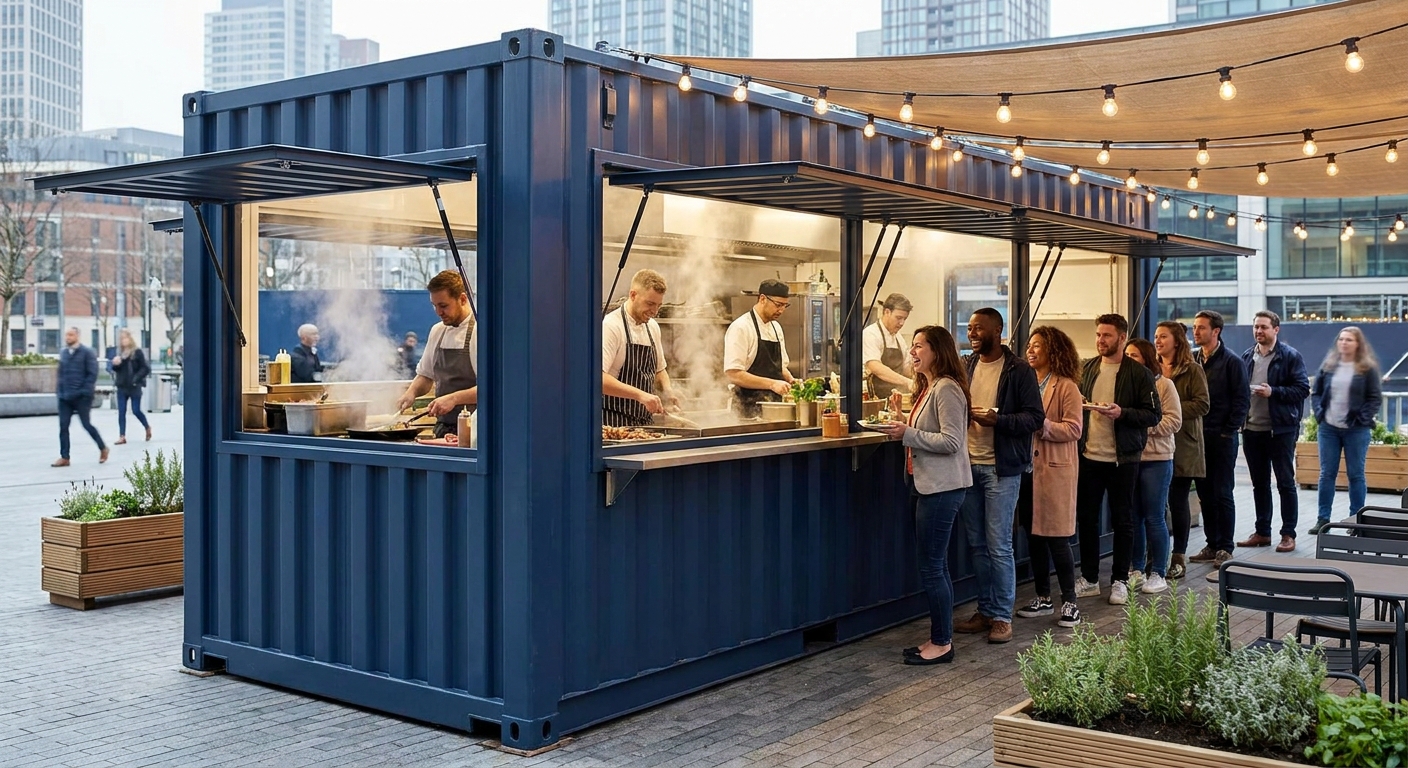
The question isn't whether containers work. They do. The real issue is whether you're ready to move fast, stay lean, and operate without the overhead that kills most restaurant dreams before they take off. Because once you commit to a traditional lease and a six-month buildout, you're locked in. Containers let you pivot.
Lower Upfront Investment Means Faster Launch
Traditional restaurant construction drains capital before you serve a single plate. Permits, contractors, inspections, delays — it adds up fast. Container kitchens flip that model. You're working with a structure that already exists, so you skip demolition, framing, and half the red tape that comes with ground-up construction.
That doesn't mean container kitchens are plug-and-play. You'll still need equipment, plumbing, electrical, and compliance with local health codes. But the timeline shrinks from months to weeks, and the cost drops dramatically. That capital you didn't burn on construction? It goes into inventory, marketing, and runway — the things that actually generate revenue.
- No long-term lease obligations tying you to a location before you've proven demand
- Reduced construction costs compared to traditional commercial kitchens
- Ability to allocate more budget toward operations and customer acquisition
- Faster path to opening day and cash flow
Relocation Isn't a Nightmare
Location kills more food businesses than bad food does. You sign a five-year lease, build out a space, and then realize foot traffic isn't what the landlord promised. With a traditional kitchen, you're stuck. With a container? You load it on a truck and move.
We've seen operators test three locations in a year using the same container setup. They follow demand instead of hoping it finds them. That kind of agility isn't just convenient — it's a competitive advantage. Especially in markets where rent spikes or customer behavior shifts faster than lease terms allow.
- Transport your entire operation to higher-traffic zones or seasonal events
- Test multiple markets without committing to permanent infrastructure
- Follow demand instead of waiting for it to come to you
- Avoid the sunk cost of a failed location
Speed to Market Beats Perfection
Waiting for the perfect location or the perfect buildout means someone else launches first. Container kitchens let you get operational while competitors are still negotiating leases. You're serving customers, collecting feedback, and refining your concept while others are stuck in permit limbo.
The operators who win aren't the ones with the fanciest setup. They're the ones who move fast, learn what works, and adjust before their capital runs out. Container builds give you that speed without forcing you to sacrifice quality or compliance.
- Weeks to operational instead of months
- Immediate revenue generation while refining your concept
- Real-world customer feedback before you scale
- Ability to iterate quickly based on what's actually selling
Customization Without the Construction Chaos
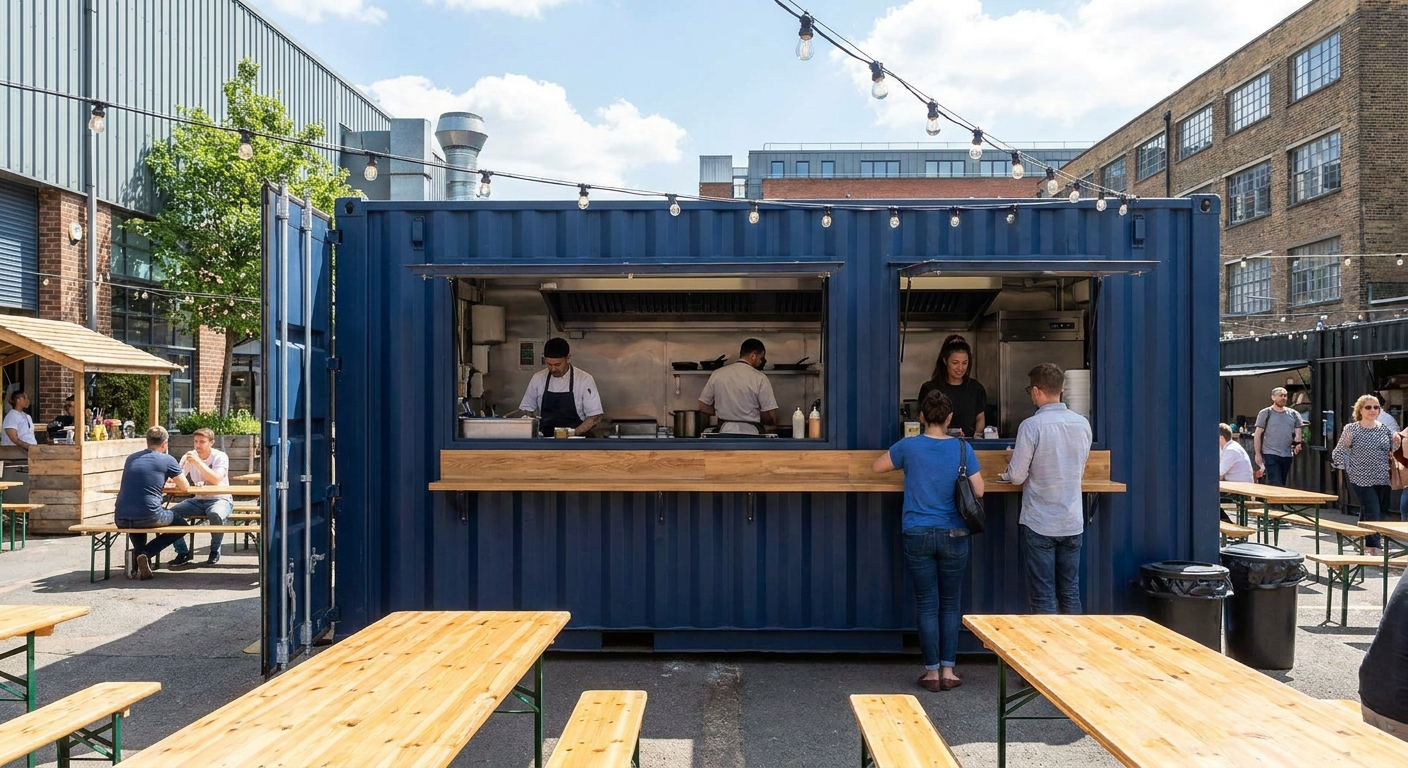
Think containers limit your options? Look harder. We've seen everything from coffee bars to full-service prep kitchens built inside 20- and 40-foot units. The key is working with designers who understand spatial efficiency and health code requirements. Every inch matters, so layout planning isn't optional — it's the difference between a functional kitchen and a cramped disaster.
You can outfit containers with commercial-grade appliances, ventilation systems, refrigeration, and storage that rivals traditional setups. The difference is you're building inside defined parameters, which forces smarter decisions about what equipment you actually need versus what you think looks impressive.
- Full customization of equipment, layout, and workflow design
- Optimized use of limited space for maximum efficiency
- Commercial-grade systems that meet health and safety standards
- Scalable setups that can expand with additional containers if needed
Sustainability Sells
Repurposing industrial containers instead of pouring new concrete? That's a story customers care about. Especially younger demographics who factor environmental impact into where they spend. Container kitchens with repurposed materials aren't just functional — they're marketable. The visual alone draws attention, and the sustainability angle gives you credibility with an audience that values responsible business practices.
Pair that with energy-efficient appliances and waste reduction strategies, and you've got a brand position that resonates. It's not greenwashing if the structure itself is literally reused steel. Just make sure your operations back up the messaging, or it'll backfire fast.
Regulations Still Apply
Don't assume containers bypass health codes or zoning laws. They don't. You'll still need permits, inspections, and compliance with local commercial kitchen standards. Some municipalities are container-friendly. Others treat them like UFOs and make the process harder than it needs to be.
Work with contractors who've done this before. They'll know which jurisdictions are cooperative and which ones require extra documentation or design adjustments. Skipping that research is how you end up with a finished container that can't legally operate where you planned to park it.
Growth Happens When Overhead Stays Low
Every dollar you don't spend on rent or construction is a dollar you can reinvest. Container bars and kitchens let you operate with lower fixed costs, which means higher margins and more room to experiment. Want to test a second location? Add another container. Want to pivot your menu? You're not locked into a buildout designed around a concept you've already outgrown.
The businesses that scale aren't the ones with the biggest footprint. They're the ones that control costs, move fast, and stay flexible enough to adapt when the market shifts. Containers give you that foundation. What you build on top of it is up to you — but at least you're starting without the weight of a bad lease dragging you under before you've even opened.
Ready to Take the Next Step?
If you're looking to launch or expand your food business without the heavy overhead and long timelines, let's make it happen together. We know how to turn shipping containers into efficient, code-compliant kitchens that help you move fast and stay flexible. Give us a call at 805-252-2701 or request a quote and let's start building your next big idea.
‹ Back
Recent Posts
-
Can a Shipping Container Kitchen Help Your Business Grow?
September 16, 2026
-
When Does a Shipping Container Bar Make Sense for Your Business?
September 2, 2026
-
How a Shipping Container Restaurant Makes Expansion Easier
August 19, 2026
-
-