

By using our website, you agree to the use of cookies as described in our Cookie Policy
Why Shipping Container Coffee Shops Are Easy to Expand
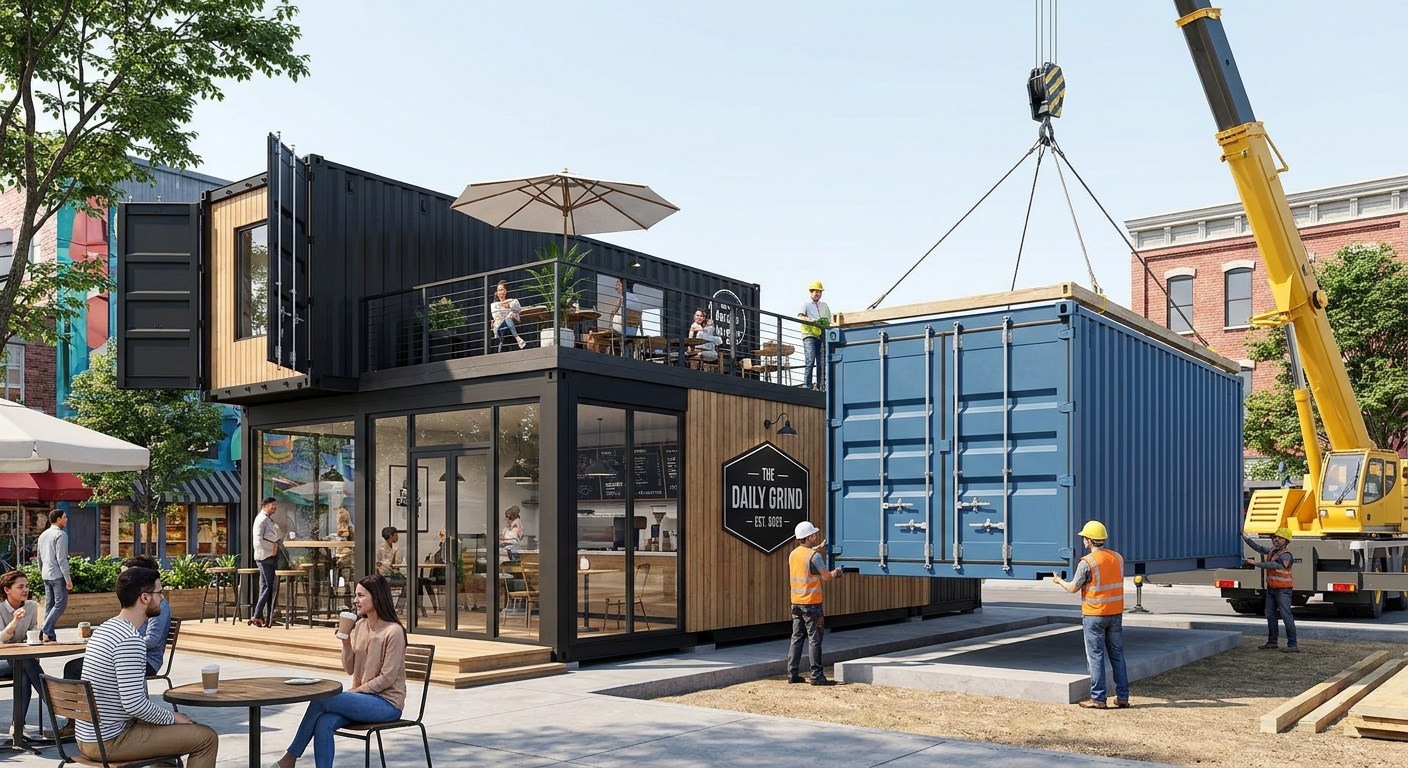
Most coffee entrepreneurs think scaling means construction permits, contractor delays, and months of lost revenue. But containers flip that script. You're not pouring foundations or fighting zoning boards for a year — you're dropping a steel box, wiring it up, and serving espresso by next Tuesday. The flexibility isn't theoretical. It's structural.
So here's what matters. If you're serious about growth, containers let you move fast without betting the farm. Every new location becomes a low-risk test. Every expansion stays modular. And every decision gets made based on real performance — not just how good the lease looked on paper.
Built to Stack and Multiply
Containers don't need blueprints to play nice together. They're standardized steel rectangles, which means one unit fits cleanly next to another — or on top of it. You start with a single 20-footer slinging cold brew, and when demand picks up, you add a second container for seating or a full kitchen. No demolition. No downtime. Just bolt it together and keep moving.
This modularity is the opposite of traditional build-outs, where adding square footage means tearing into walls and shutting down for weeks. With food containers, expansion happens in days, not quarters. And because the structure is already there, you're not waiting on inspectors or subcontractors to finish what they started three months ago.
Expansion That Doesn't Drain Your Account
Building out a second location the conventional way burns cash fast. Permits, materials, labor — it all compounds. Containers cut that equation down to size. You can buy a used unit for a few grand, outfit it for coffee service, and still come in under what most landlords charge for tenant improvements.
Because containers are portable and reusable, you're not locked into sunk costs. If a location underperforms, you relocate the box and try somewhere else. That kind of capital efficiency gives you room to test markets without overcommitting. And when you do find the right spot, adding capacity doesn't mean refinancing the business.
Speed Without Sacrifice
Traditional expansions crawl. You lease space, wait for permits, hire contractors, and pray everything wraps up before your cash runs dry. Containers skip most of that. Units can be fabricated off-site with plumbing, electrical, and finishes already installed. Then they get delivered, dropped in place, and opened within weeks.
That speed is a competitive advantage. You can capitalize on seasonal demand, pop up at events, or move into a hot neighborhood before someone else does. And because setup is fast, you're not losing revenue while you wait for the build to finish. You're serving customers while your competitors are still negotiating with the city.
Pick Up and Go When the Market Shifts
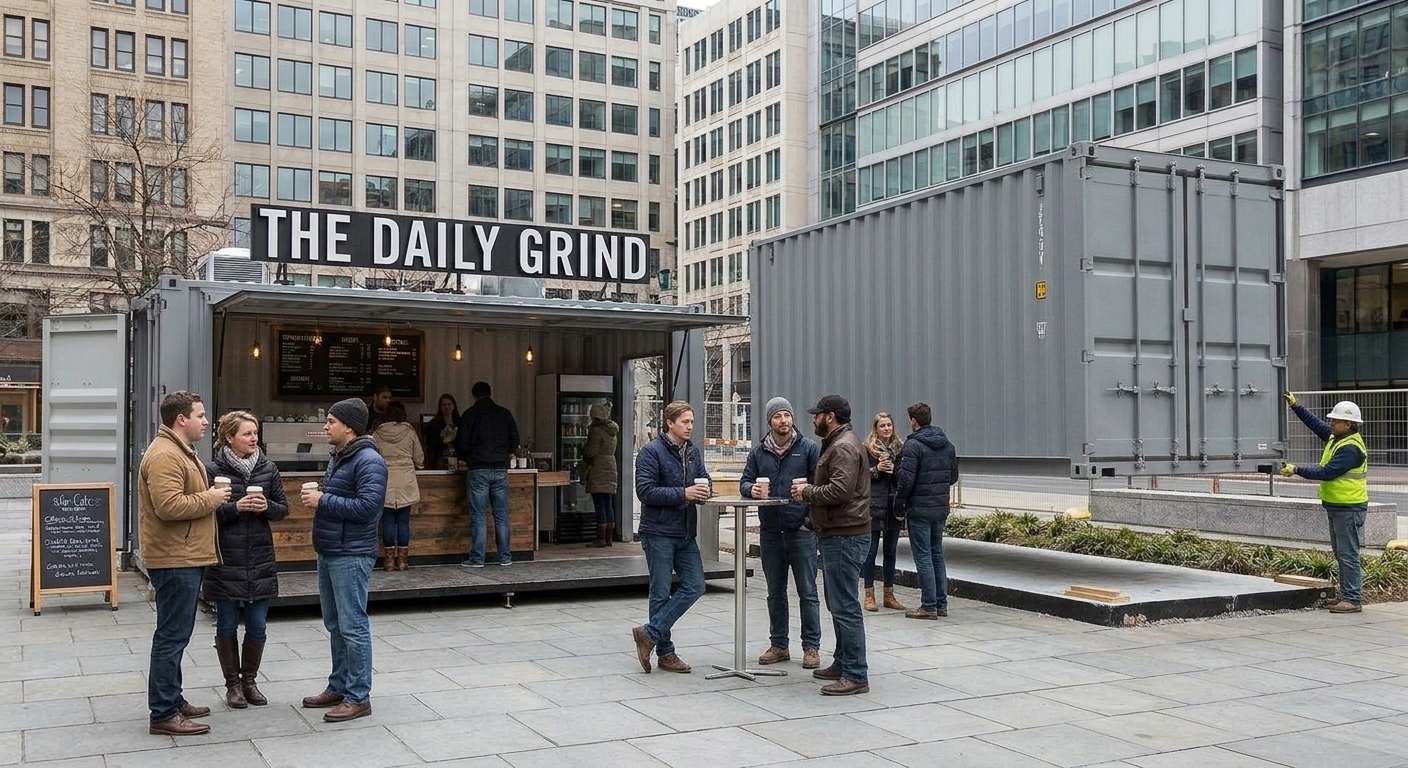
Location makes or breaks a coffee shop. But with containers, you're not married to the real estate. If foot traffic dries up or rent spikes, you pack up and relocate. No lease buyouts. No abandoned build-outs. Just hook the container to a truck and find better ground.
This mobility also opens doors to unconventional spots that wouldn't work for permanent construction. Parks, festivals, vacant lots, corporate campuses — anywhere with power and foot traffic becomes viable. And when it's time to expand into a second or third market, you're not starting from scratch. You're deploying proven units that have already made money somewhere else.
- Deploy in underserved neighborhoods without long-term commitments
- Test high-traffic events before committing to permanent locations
- Relocate underperforming units to more profitable markets
- Enter corporate or university campuses where traditional builds aren't allowed
- Move seasonally to capture tourism or festival crowds
Green Growth That Actually Counts
Sustainability sells, but only when it's real. Containers check the box by repurposing steel that's already been manufactured and shipped halfway around the world. Instead of letting them rust in a port, you turn them into revenue-generating assets. And when you expand, you're not pouring concrete or cutting timber — you're adding more recycled steel.
Many container shops go further by installing solar panels, composting systems, or rainwater collection. Those features resonate with customers who care about environmental impact, and they can lower your operating costs over time. It's not greenwashing. It's a eco-friendly and affordable business model that happens to align with what people want to support.
- Repurpose used shipping containers instead of sourcing new materials
- Integrate solar power to offset grid dependence
- Install low-flow fixtures and energy-efficient appliances
- Use reclaimed wood or recycled finishes for interiors
- Market your sustainability story to attract conscious consumers
Your Brand, Your Box
Containers start as blank slates. You control the finishes, layout, colors, and vibe. That flexibility extends to expansion. When you add a second or third unit, you can match the aesthetic or pivot to something fresh. Either way, you're building a cohesive brand experience that feels intentional, not cobbled together.
Customization also means you can adapt to different markets. A container in a downtown business district might lean sleek and minimal. One at a beach boardwalk could go coastal and bright. The modularity lets you tailor each location without reinventing the wheel every time.
- Design interiors that reflect your brand identity
- Choose exterior finishes that stand out in each market
- Adapt layouts for different service models — drive-thru, walk-up, or full seating
- Update branding across units without gutting existing structures
- Create Instagram-worthy spaces that drive organic marketing
Where Expansion Plans Fall Apart
Just because containers make scaling easier doesn't mean you can skip the fundamentals. Plenty of operators expand too fast, pick bad locations, or underestimate operating costs. The container itself won't fix poor unit economics or weak coffee. It just makes the logistics simpler.
You still need to know your numbers. Rent, utilities, labor, cost of goods — all of it has to pencil out before you drop another container. And if your first location isn't profitable, adding a second one won't magically turn things around. Containers lower the barriers to expansion, but they don't eliminate the need for smart decision-making.
- Ensure your first location is profitable before expanding
- Vet new markets for foot traffic and competition
- Budget for utilities, permits, and ongoing maintenance
- Train staff efficiently to maintain quality across locations
- Track performance metrics so you know when to scale and when to pause
Keep the Numbers Clean
Growth only works when you know what's working. That means tracking sales, costs, and margins at every location. Containers make it easy to expand geographically, but if you're not monitoring performance, you'll end up with unprofitable units dragging down the whole operation.
Use point-of-sale systems that consolidate data across locations. Review weekly reports. Know which products move and which don't. And when a location underperforms, be ready to pivot or pull out. The mobility of containers is an asset — but only if you're willing to act on the data.
- Implement POS systems that track sales by location and product
- Monitor labor costs and adjust scheduling to match traffic patterns
- Compare performance across units to identify best practices
- Set clear benchmarks for when a location is worth keeping or relocating
- Review supplier contracts regularly to maintain margins as you scale
Growth Built on Steel, Not Guesswork
Shipping container coffee shops aren't just trendy — they're practical. The speed, cost efficiency, and flexibility they offer make expansion less risky and more repeatable. But that advantage only holds if you pair it with solid fundamentals. Know your market. Track your performance. And don't expand just because you can.
Containers give you the tools to scale smart. What you do with them is up to you. But if you're looking for container builds that help you open sooner without betting everything on a single location, exploring shipping containers for drive-thru and quick service restaurants or reviewing our concepts and portfolio might be the cleanest path forward.
Let’s Build Your Next Coffee Shop Together
We know that every coffee business has its own vision for growth, and we’re here to help you turn that vision into reality with container solutions that scale as fast as you do. If you’re ready to explore how modular builds can make your next expansion smoother and more cost-effective, let’s talk. Call us at 805-252-2701 or request a quote and let’s start planning your next move today.
‹ Back
Recent Posts
-
Why Shipping Container Coffee Shops Are Easy to Expand
October 28, 2026
-
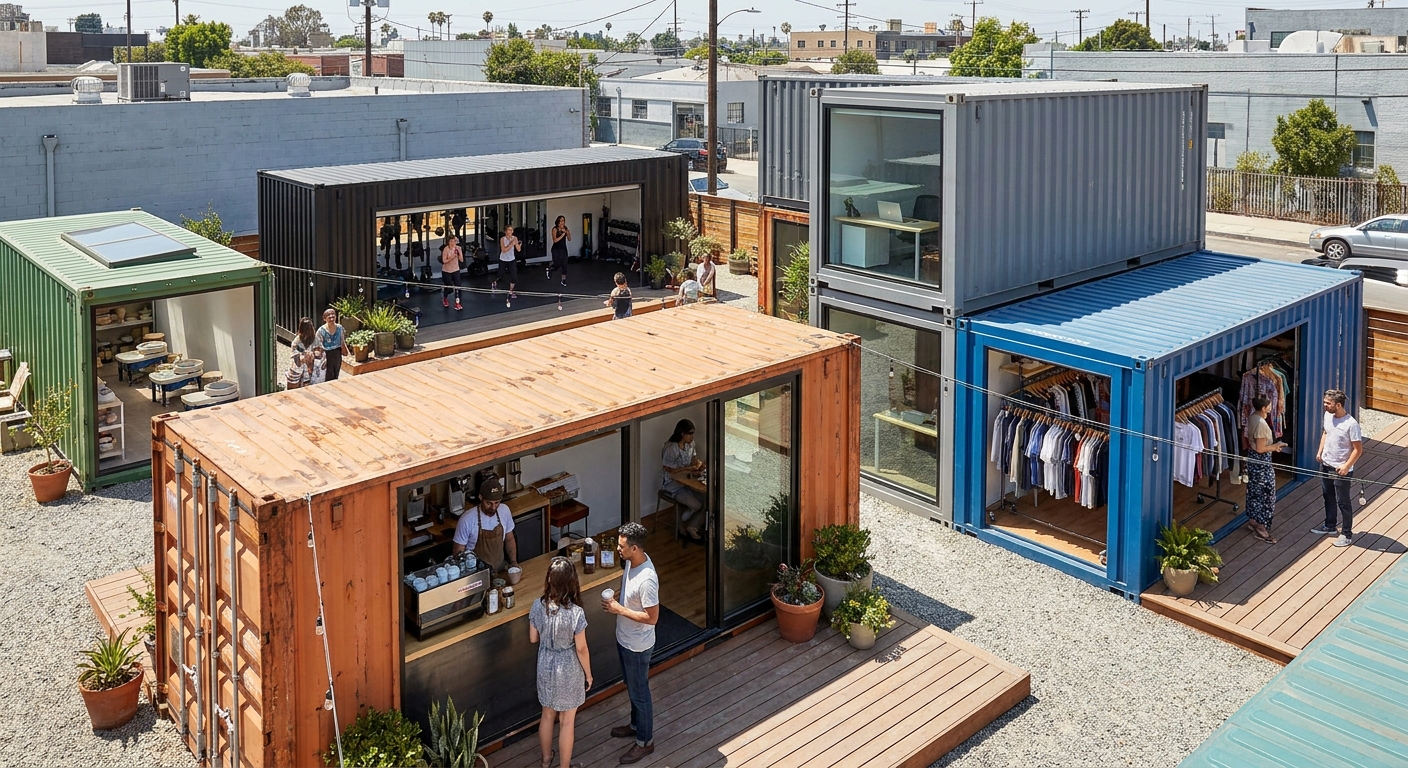
Which Businesses Are a Good Fit for Shipping Container Buildings?
October 14, 2026
-
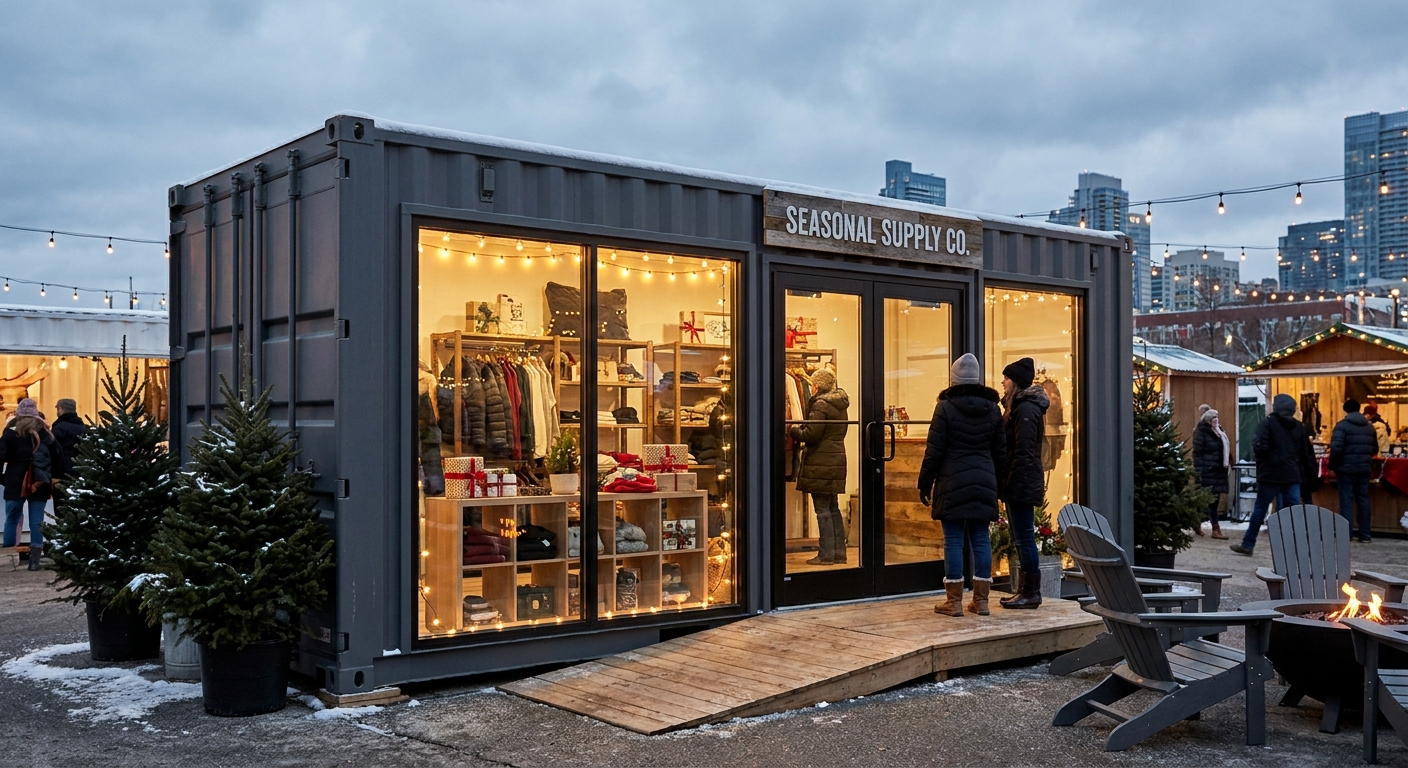
Is a Shipping Container Retail Store Right for Seasonal Sales?
September 30, 2026
-
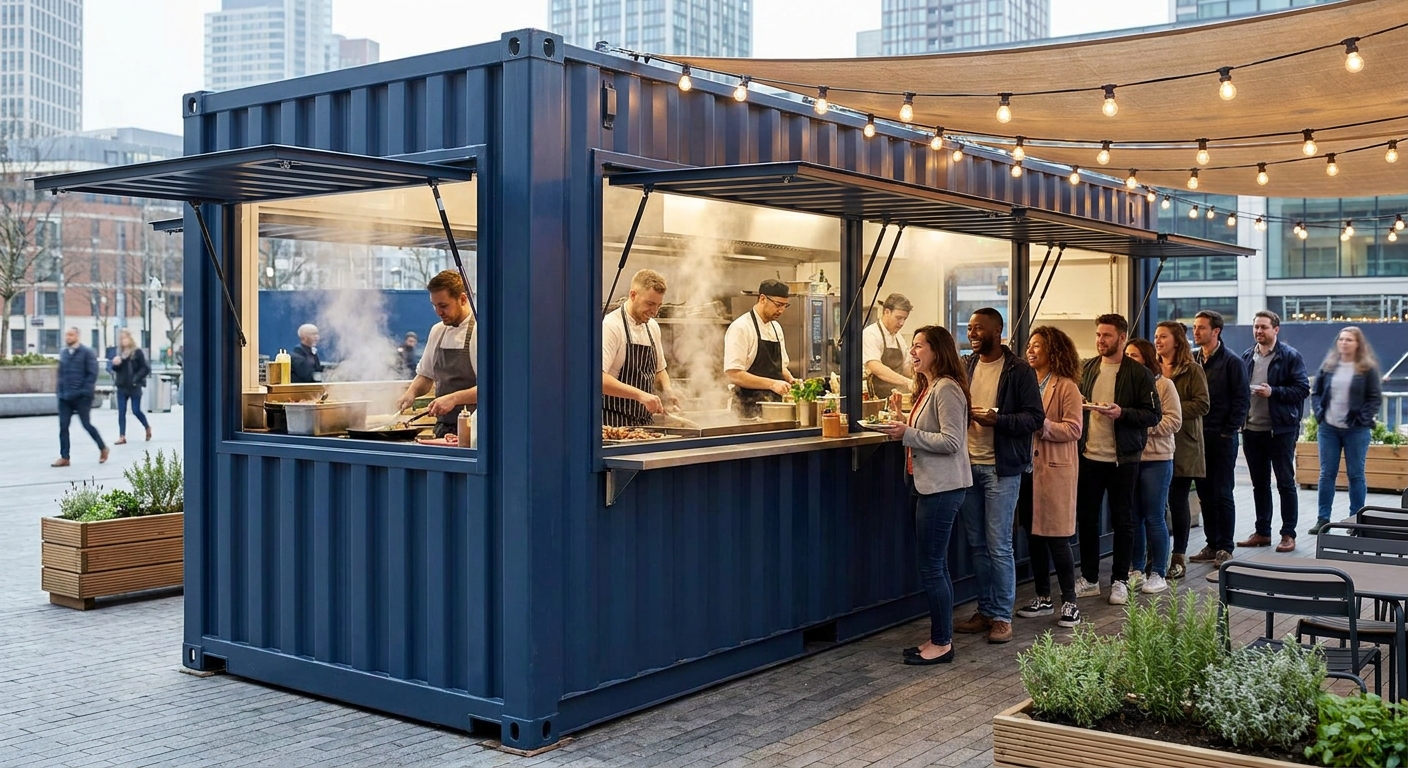
Can a Shipping Container Kitchen Help Your Business Grow?
September 16, 2026
-
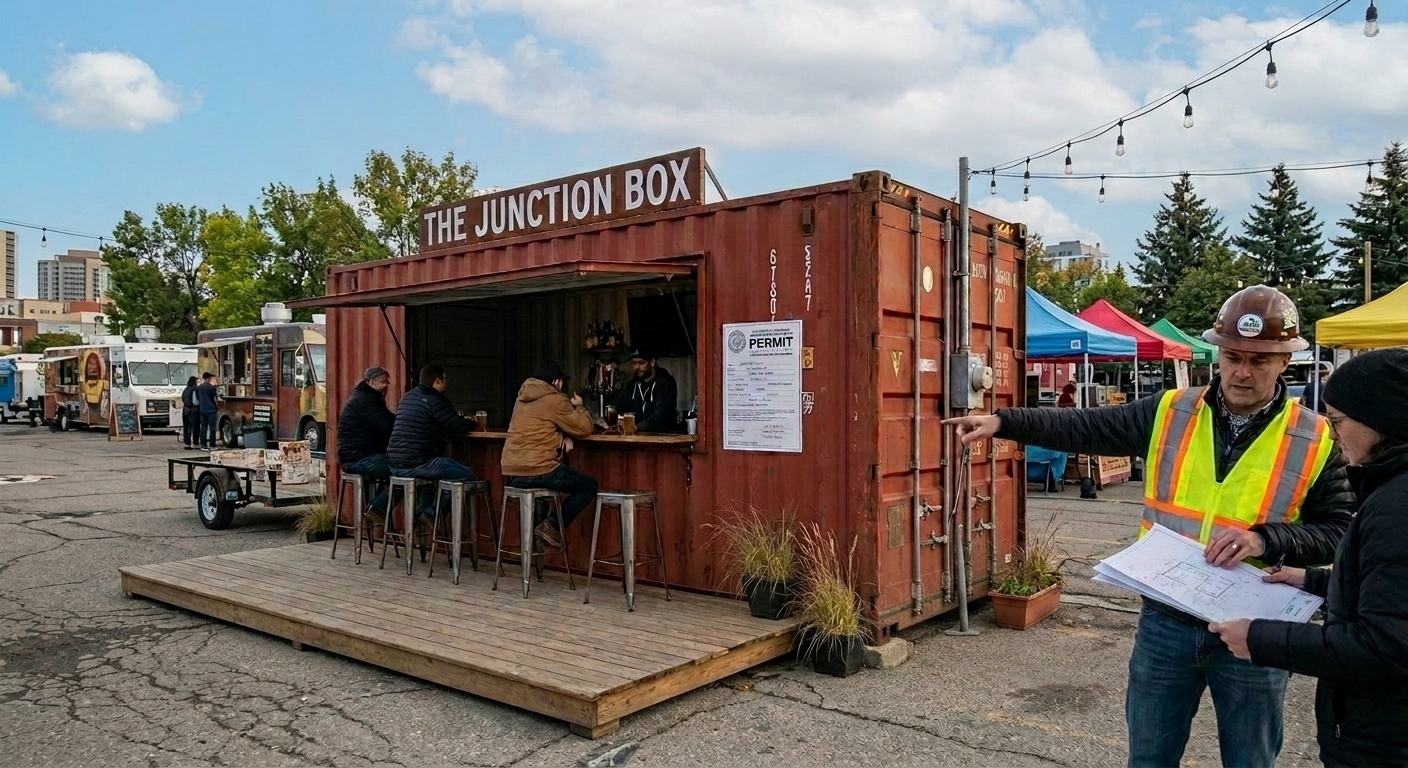
When Does a Shipping Container Bar Make Sense for Your Business?
September 2, 2026