.jpg)

By using our website, you agree to the use of cookies as described in our Cookie Policy
When Does a Shipping Container Bar Make Sense for Your Business?
Most operators think container bars are just about aesthetics. Look cool, draw a crowd, cash in. But location, zoning, and actual operating costs tell a different story — and if you skip that homework, you're in for a rough opening. These aren't plug-and-play solutions. They need permits, utilities, and a real strategy behind them. Especially if you're banking on mobility or trying to dodge traditional buildout costs.
So here's the reality. If you're building something temporary or testing demand in an uncertain market, container bars can work. Just don't assume they're cheaper across the board. Every setup has hidden expenses. Every location has rules. And every decision should be rooted in how you plan to operate — not just how it looks on Instagram.
Portability Only Matters If You Actually Move
Everyone loves the idea of a bar they can haul from one festival to the next. Sounds flexible. Sounds smart. But most container bars never leave their original site. The logistics of moving a fully outfitted bar — plumbing, electrical, permits, insurance — add up fast. And if you're not bouncing between events regularly, you're paying for portability you'll never use.
That said, if your business model is built around pop-ups, seasonal gigs, or rotating markets? Then mobility becomes a real asset. You're not locked into a lease. You're not tied to one neighborhood. You can follow the demand instead of waiting for it to find you.
Upfront Costs Can Surprise You
Buying a used container is cheap. Turning it into a functioning bar? That's where the bill climbs. You'll need to add insulation, HVAC, electrical panels, plumbing lines, and point-of-sale systems. Then there's the exterior work — windows, doors, paint, branding. By the time you're done, you might be close to what a small brick-and-mortar would have cost.
But speed is where containers shine. You can have one customized off-site and dropped into place in weeks, not months. If time-to-revenue matters more than total cost, that's a real advantage. Just don't walk in thinking you're getting a turnkey bar for ten grand and a weekend of work.
Zoning and Permits Will Slow You Down
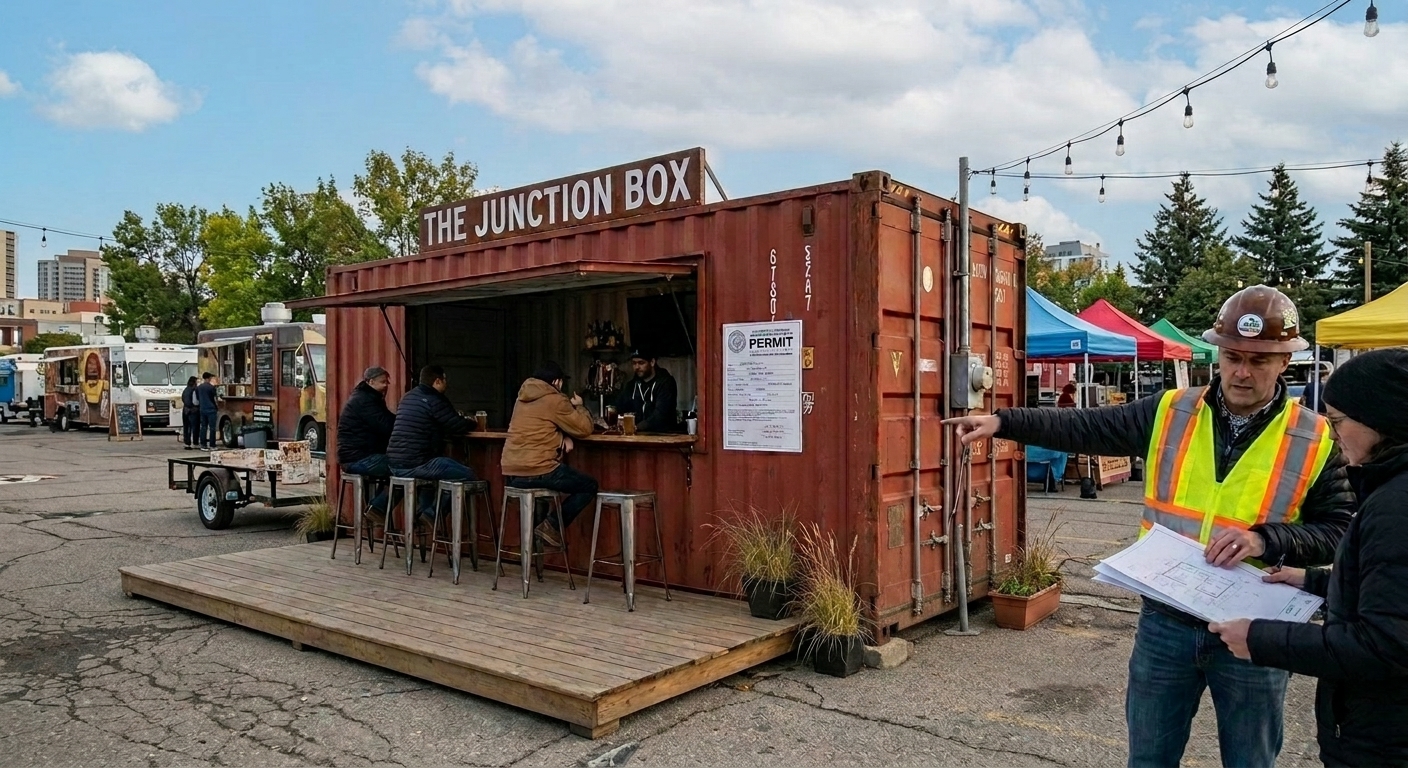
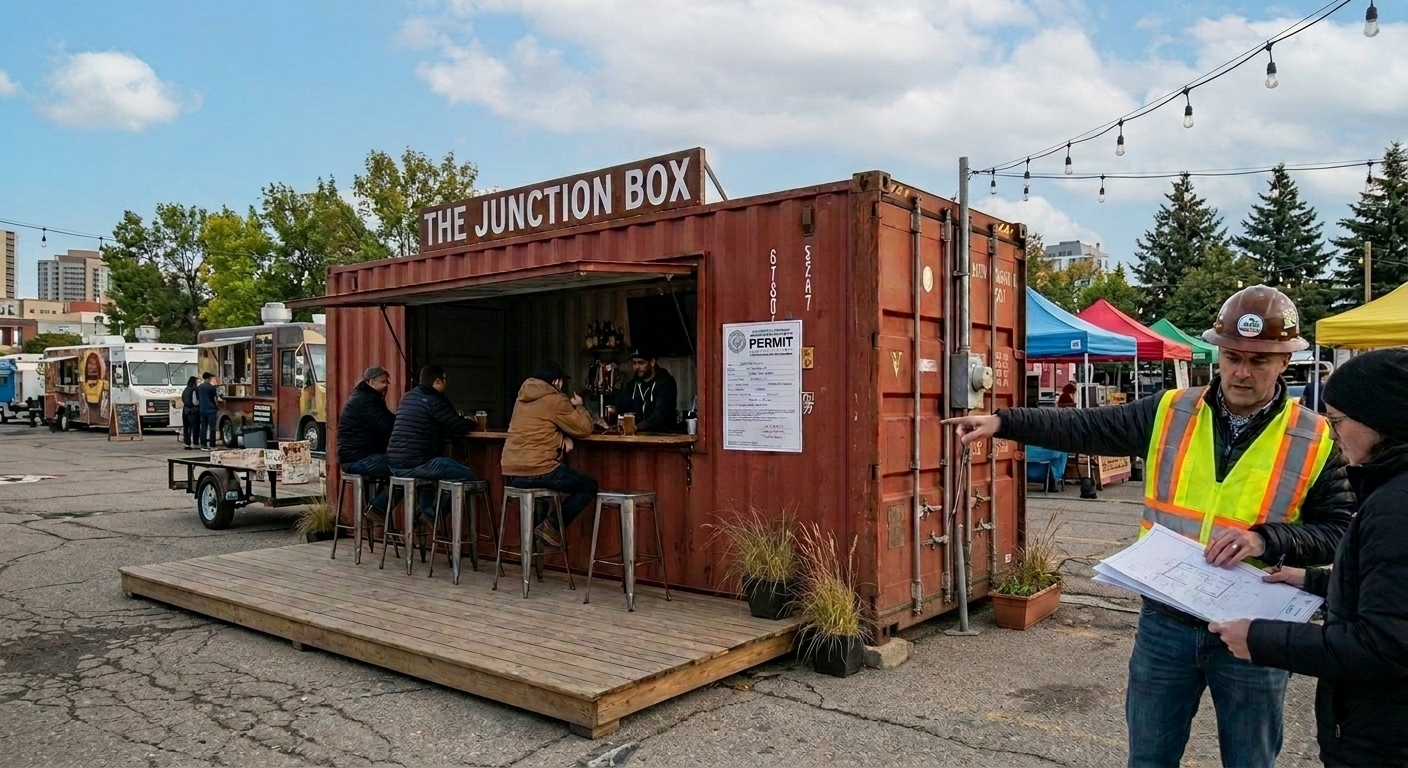
Containers might be portable, but they're still structures. And most cities treat them like any other commercial building. That means permits, inspections, and zoning approvals. Some municipalities flat-out ban them. Others require full architectural plans and fire suppression systems.
Before you buy anything, check with local planning departments. Ask about temporary use permits if you're only staying for a season. Confirm whether you need a foundation or if you can drop the container on blocks. Skipping this step is how operators end up with a $40,000 bar they can't legally open.
Weather and Climate Control Are Real Issues
Steel boxes get hot in the sun and cold in the winter. Without proper insulation and HVAC, your staff will be miserable and your customers won't stick around. That means budgeting for climate control from day one — not as an afterthought when the first heatwave hits.
If you're operating outdoors in a temperate climate, you can get away with fans and shade structures. But if you're in Arizona or Minnesota, you'll need real heating and cooling. And that eats into both your setup budget and your monthly operating costs.
When a Container Bar Actually Makes Sense
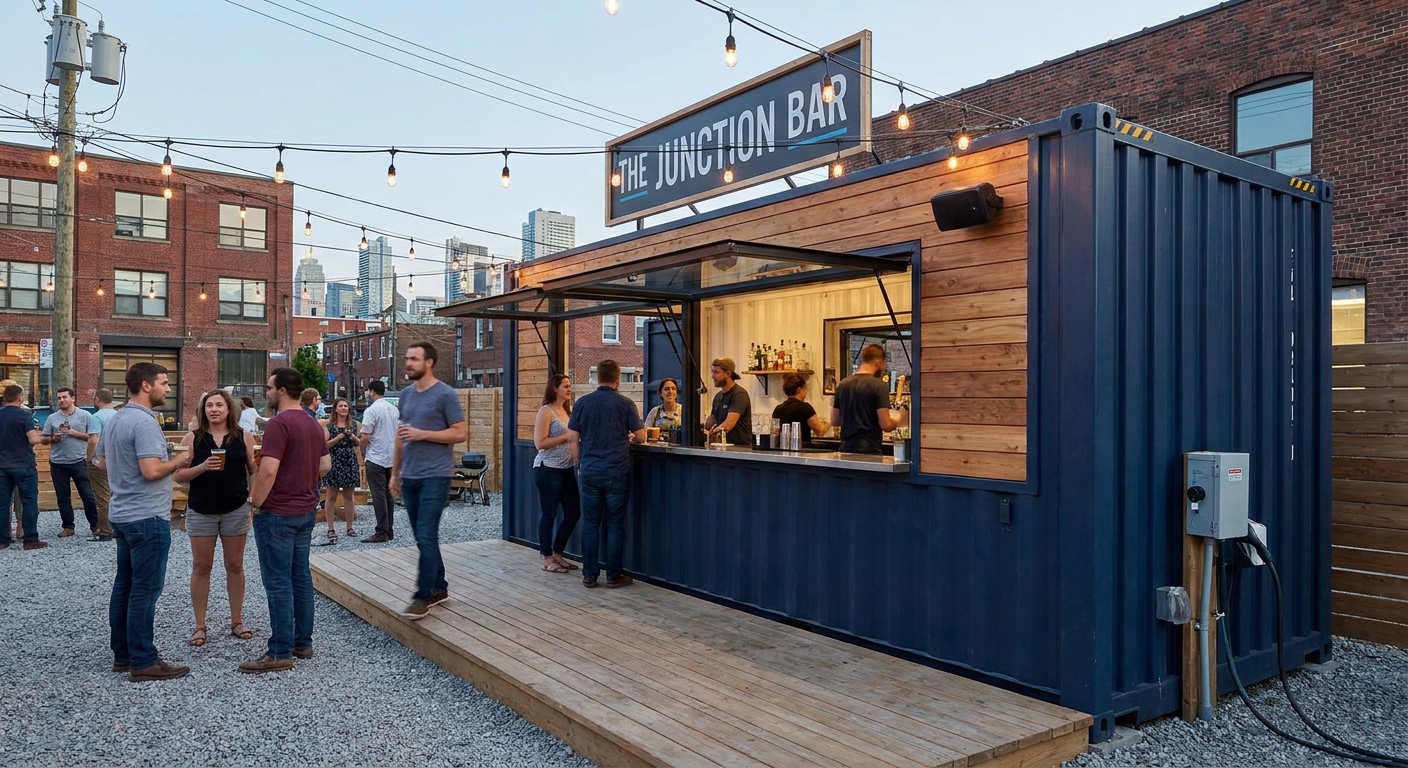
- You're running a seasonal operation and need something you can close up or relocate during the off-season
- Your business revolves around events, festivals, or rotating pop-up locations
- You're testing a new market and don't want to commit to a long-term lease or buildout
- You've found a lot or venue that won't support traditional construction but allows temporary structures
- Your brand leans into industrial, modern, or experiential design and a container fits that identity
When It Doesn't
If you're planning a permanent location with high foot traffic and stable demand, a traditional space might serve you better. Containers come with compromises — limited square footage, layout restrictions, and ongoing maintenance. They're not built for fine dining or high-end cocktail programs that require serious back-of-house infrastructure.
And if your local regulations are hostile to containers, you'll spend more time fighting city hall than serving drinks. Some battles aren't worth it. Know when to walk away and build something conventional instead.
Maintenance Isn't Optional
Steel rusts. Seals crack. Paint fades. If you're not staying on top of maintenance, your container will look rough within a year or two. That means regular inspections, touch-ups, and weatherproofing. Especially if you're near saltwater or in an area with harsh winters.
Budget for this upfront. Factor in annual costs for repainting, caulking, and rust treatment. A container bar that looks tired and beaten down won't draw customers, no matter how clever the concept was at launch.
Utilities Are Not Automatic
Dropping a container on a lot doesn't mean you have power, water, or waste lines. You'll need to bring utilities to the site — or rent generators and water tanks. That works for short-term events, but it's expensive and impractical for permanent setups.
Talk to your landlord or venue host about what's available. If you're on raw land, you might need to trench lines or work with a mobile utility setup. Either way, it's not included in the price of the container itself.
Design Flexibility Has Limits
Containers are modular, but they're still steel boxes. You're working with fixed dimensions — usually 20 or 40 feet long, 8 feet wide. That limits your layout options. You can cut openings, stack units, or connect multiples, but every modification adds cost and complexity.
If you need a specific flow for service, storage, or customer experience, map it out before you commit. Some bar concepts just don't fit well in a container. And forcing it leads to awkward layouts that hurt efficiency and customer satisfaction.
Insurance and Liability Still Apply
- You'll need general liability coverage just like any other bar
- Property insurance should cover the container, equipment, and inventory
- If you're moving the bar between locations, make sure your policy covers transport and setup
- Some insurers treat containers differently than permanent structures, so shop around for the right coverage
- Workers' comp and liquor liability aren't optional — budget for them from the start
Branding Can Make or Break You
A container bar without a strong brand is just a box. The whole point is standing out, so your design, signage, and customer experience need to be dialed in. Half the appeal is the novelty — but novelty wears off if the drinks are weak and the vibe is bland.
Invest in good design. Make the space Instagram-worthy. Train your staff to match the energy. If you're going to do this, commit to making it memorable. Otherwise, you're just another gimmick that doesn't last past the first season.
Know Your Exit Strategy
What happens if the concept doesn't work? Can you sell the container? Move it to a new location? Repurpose it for storage or another business? These aren't fun questions, but they're important ones. A container bar is still a major investment, and you need a plan for what happens if things go sideways.
Some operators lease their containers instead of buying. That lowers the upfront risk and gives you flexibility to walk away. Others build in resale value by keeping the design neutral and the equipment transferable. Either way, think through the downside before you commit.
The Build Matters More Than the Box
You can buy the coolest container on the market, but if your buildout is sloppy, it won't matter. Electrical needs to be clean. Plumbing needs to work. HVAC needs to keep pace with demand. Hire professionals who've done this before — not your cousin who watched a YouTube video.
A bad build leads to constant breakdowns, safety issues, and failed inspections. That kills your reputation and your cash flow. Spend the money to do it right the first time. It's cheaper than fixing it later.
The Math Has to Work
- Calculate your total cost to open, not just the container purchase price
- Factor in utilities, permits, insurance, and ongoing maintenance
- Estimate realistic revenue based on your location, hours, and customer traffic
- Compare those numbers to a traditional bar setup to see if containers actually save you money
- Don't forget about the cost of moving or storing the bar during downtime
Funding Smart Means Thinking Ahead
Taking on capital to build a shipping container bar makes sense if you've done the math and know your market. But treating it like a shortcut to easy money? That's how operators end up underwater. Every dollar spent needs to tie back to revenue — not just buzz. Every permit delay should be baked into your timeline. And every design choice should support how you'll actually serve customers, not just how it photographs. If you're evaluating container concepts for breweries or exploring event container solutions, understanding the full scope of your investment is critical. Some operators find success with walk-up bar designs with decks that maximize outdoor appeal, while others benefit from reviewing a portfolio of completed projects to understand what's actually achievable within their budget.
We help businesses fund smart moves, not risky bets. If you're ready to build something real — whether it's a container bar or something else entirely — we'll help you weigh the costs, plan for the variables, and move fast when the opportunity is right. Call 877-400-0297 or apply online for a same-day decision.
Let’s Build Your Next Big Idea Together
Launching a container bar is about more than just standing out—it’s about making smart choices that set your business up for long-term success. If you’re ready to turn your vision into a reality, let’s talk through your goals and challenges so we can help you get there faster. Give us a call at 805-252-2701 or request a quote and let’s start planning your next move.
‹ Back
Recent Posts
-
Which Businesses Are a Good Fit for Shipping Container Buildings?
October 14, 2026
-
Is a Shipping Container Retail Store Right for Seasonal Sales?
September 30, 2026
-
Can a Shipping Container Kitchen Help Your Business Grow?
September 16, 2026
-
When Does a Shipping Container Bar Make Sense for Your Business?
September 2, 2026
-
How a Shipping Container Restaurant Makes Expansion Easier
August 19, 2026