.jpg)

By using our website, you agree to the use of cookies as described in our Cookie Policy
Can a Shipping Container Restaurant Be a Good Franchise Model?
Shipping container restaurants hit the market like a freight train. Lower cost, faster buildout, and a look that turns heads on Instagram. But most franchisors miss the bigger picture. It's not just about stacking metal boxes and slapping a logo on the side. If you're going to scale this model, you better understand the difference between what looks cool and what actually works when you're running ten locations across three states.
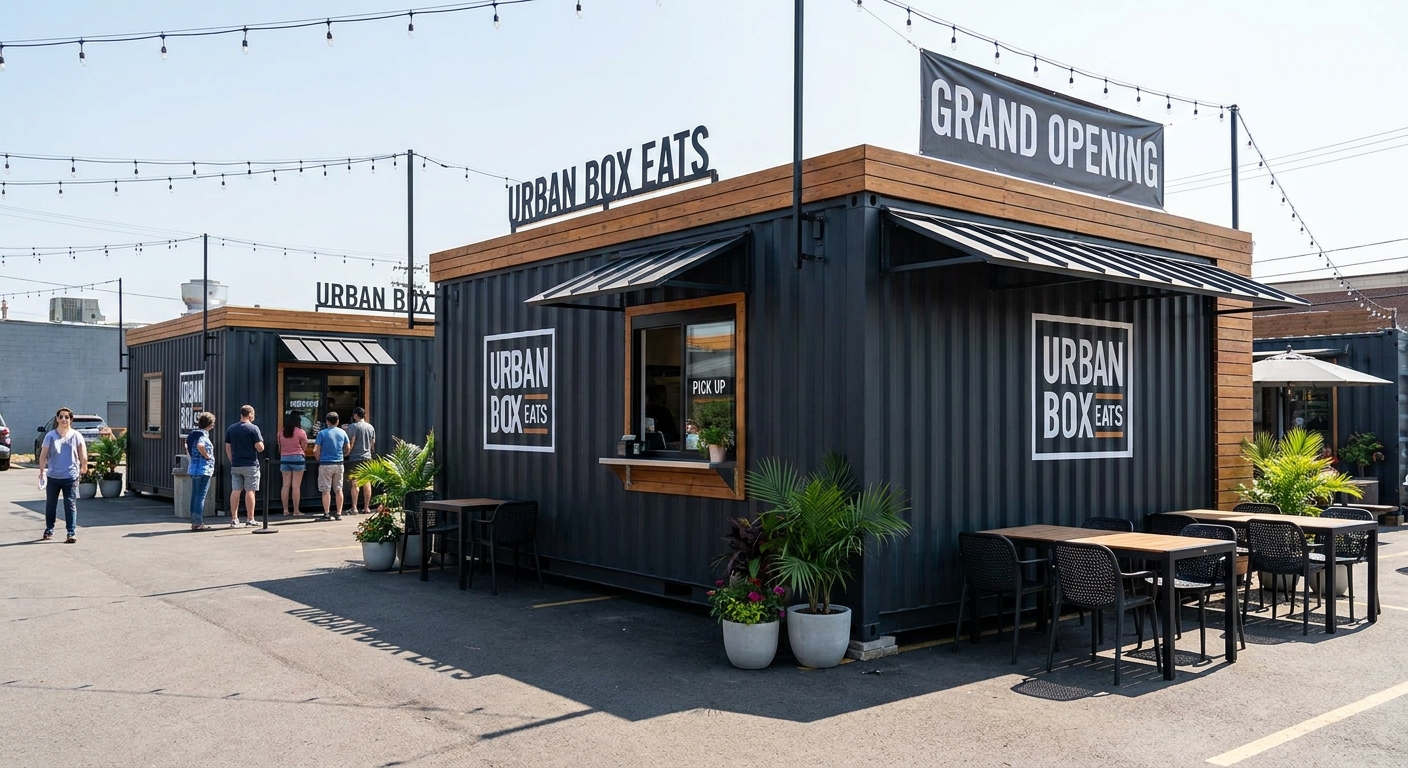
Shipping container builds sound simple until you're knee-deep in permitting and realizing half the counties you want to enter treat these structures like alien spacecraft. The franchisees who win this game aren't the ones chasing trends. They're the ones who map out zoning codes before signing leases and who build systems that don't fall apart when the health inspector shows up. If your franchise using shipping containers can't survive that level of scrutiny, the shipping container part won't save you.
Why the Model Turns Heads
Traditional restaurant buildouts drain capital faster than almost any other retail format. Lease deposits, construction timelines, and contractor delays can push opening day six months out and double your budget. Shipping container concepts flip that script. You're buying a box that already exists, modifying it to spec, and dropping it on a pad. The timeline shrinks. The upfront cash shrinks. And suddenly, franchisees who couldn't afford a 2,000-square-foot lease can afford to get in the game.
Flexibility matters just as much. A shipping container unit can move if a lease falls through or a better opportunity opens up. You can test a market without committing to a ten-year lease. You can pop up at festivals, food halls, or temporary lots while you build brand awareness. That agility gives franchisees breathing room most brick-and-mortar operators never get. And when expansion makes sense, adding another unit doesn't mean starting from scratch with architects and general contractors.
What Makes a Shipping Container Franchise Actually Work
Replicability is everything. If your concept only works because the founder is a genius at Tetris-level space planning, it won't scale. Franchise systems need to be plug-and-play. That means standardized layouts, documented workflows, and equipment packages that fit every time. The franchisee in Tampa should be able to open the same way the one in Denver does, with minimal guesswork and maximum consistency.
Brand strength matters even more here than with traditional formats. A shipping container restaurant doesn't have curb appeal by default. It's industrial. It's compact. If the brand itself doesn't draw people in, the shipping container becomes a liability instead of an asset. Franchisors need to build recognition, create a clear identity, and make sure every location delivers on the promise. Without that, you're just selling expensive food trucks with less mobility.
- Standardized shipping container modifications across all franchise locations
- Clear equipment specs that fit the space every time
- Detailed operational manuals covering setup and daily workflows
- Strong visual branding that overcomes the industrial aesthetic
- Proven menu design that works within space and equipment constraints
Permitting Will Make or Break You
Most cities don't have a checkbox for "shipping container restaurant" on their permit applications. Some jurisdictions treat them like permanent structures. Others call them temporary. A few won't allow them at all, no matter how much money you throw at the problem. Franchisors who don't do the homework upfront are setting their franchisees up for expensive delays and legal headaches.
The smart move is building a permitting playbook before you sell a single franchise. Identify which markets are shipping container-friendly. Know which building codes apply. Have relationships with engineers and architects who've done this before. When a franchisee wants to open in a new city, they shouldn't be the guinea pig. They should have a roadmap that's already been tested. The franchisor who can hand over pre-approved plans and a list of compliant contractors is the one who wins.
- Pre-approved site plans for common lot sizes and configurations
- Engineering stamps for structural, electrical, and plumbing work
- Health department compliance checklists specific to shipping container builds
- Zoning reports for target markets before franchise agreements are signed
- Vendor lists for local contractors experienced with shipping container modifications
Space Constraints Demand Smarter Systems
A 320-square-foot shipping container doesn't give you room to wing it. Every inch counts. Menu design has to match the equipment you can fit. Workflows need to eliminate wasted steps. Storage solutions need to be vertical, modular, and ruthlessly efficient. If your franchise concept requires a walk-in cooler, a six-burner range, and a three-compartment sink, you better make sure all of that fits before the first shipping container gets delivered.
Franchisees can't improvise their way out of bad design. If the layout doesn't work, service slows down. If the kitchen is cramped, staff morale tanks. If the customer-facing area feels claustrophobic, people don't come back. The franchisor's job is to solve these problems once, at the system level, so every franchisee benefits from a layout that's been tested and optimized. Anything less is setting people up to fail.
- Compact kitchen equipment that delivers full functionality
- Vertical shelving and overhead storage to maximize usable space
- Streamlined menus that reduce SKU count and simplify prep
- Point-of-sale systems integrated into the build from day one
- Customer flow designed to prevent bottlenecks at order and pickup points
Sustainability Isn't Just a Buzzword
Repurposing a shipping container already scores points with eco-conscious consumers. But if that's where the sustainability story ends, you're leaving money on the table. Franchisors who double down on energy-efficient appliances, water-saving fixtures, and waste-reduction programs can turn environmental responsibility into a competitive advantage. It's not just good PR. It's good business when utility costs are lower and customers feel good about where they're spending their money.
Solar panels, LED lighting, and composting programs aren't just nice-to-haves. They're signals that the brand takes this seriously. And in markets where sustainability drives purchasing decisions, that signal can be the difference between a packed lunch rush and an empty parking lot. The franchisees who lean into this aren't just following trends. They're building long-term loyalty with customers who care about more than just the food.
- Energy-efficient HVAC systems sized for shipping container spaces
- Solar panel installations where local codes and climate allow
- Compostable or recyclable packaging as the standard, not an option
- Water filtration systems to reduce bottled water waste
- Partnerships with local suppliers to cut transportation emissions
Scaling Without Losing Control
Growth is the goal, but only if quality stays intact. The franchisors who succeed with shipping container models are the ones who build tight operational controls from the start. Mystery shops, regular audits, and real-time performance tracking aren't optional. They're the backbone of maintaining consistency when you've got twenty locations and counting. If one franchisee starts cutting corners, it reflects on the entire brand. That's the risk you take when you scale, and the only defense is proactive oversight.
Training programs need to be thorough, repeatable, and designed for people who've never run a restaurant before. Many franchisees come in with enthusiasm but no experience. The franchisor's job is to turn that enthusiasm into competence. That means hands-on training at a flagship location, ongoing support during the first few months, and a hotline for when things go sideways. The brands that treat franchisee success as their own success are the ones that build empires, not just a handful of scattered units.
Shipping container restaurants aren't a gimmick if you treat them like a real business. The model works when the franchise system is tight, the support is real, and the brand is strong enough to overcome the quirks of working with shipping containers. The ones who get this right won't just open a few trendy locations. They'll build something that lasts, scales, and actually makes money for the people who believe in it enough to sign on the dotted line.
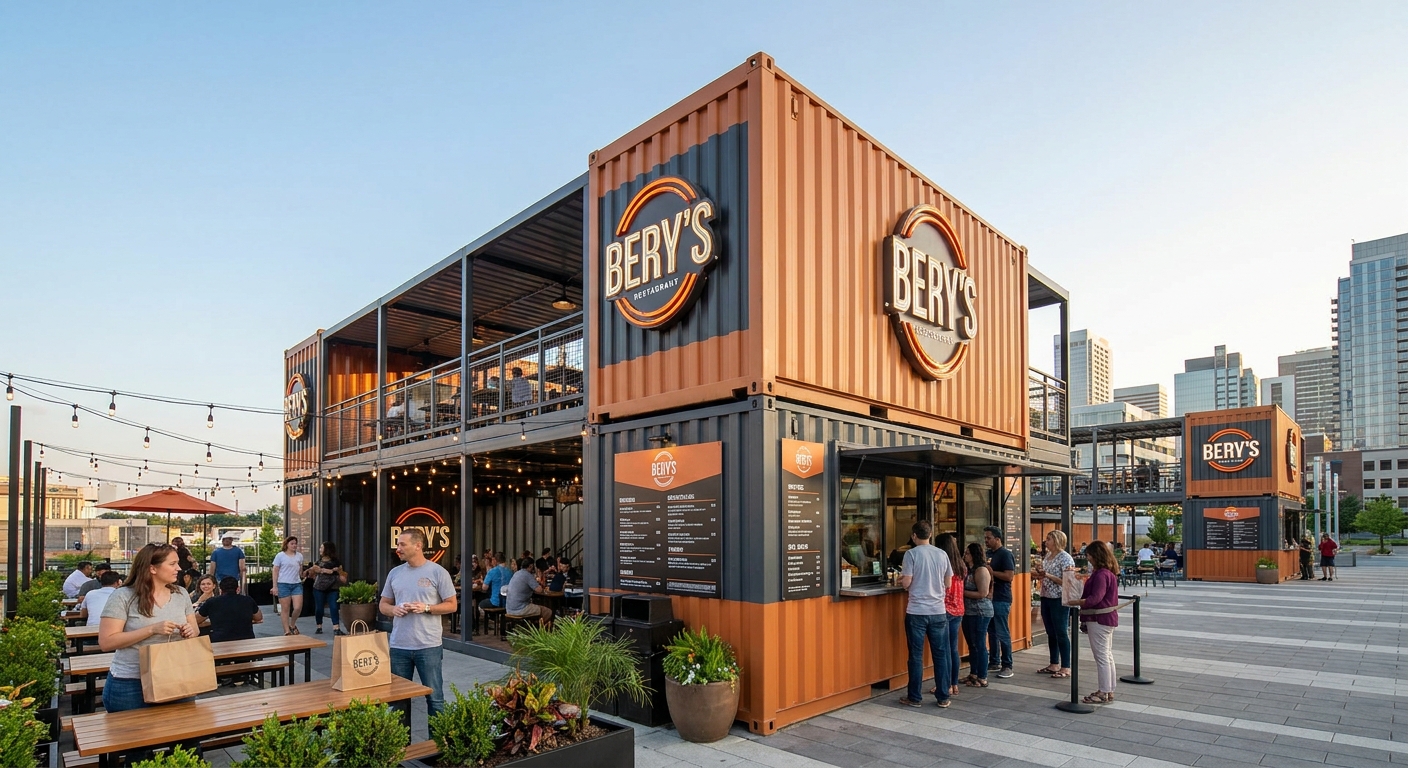
Ready to Build Your Shipping Container Franchise?
We know what it takes to turn a great idea into a thriving shipping container restaurant franchise—one that's built for real-world growth, not just buzz. If you're serious about scaling smart and want a partner who's navigated every challenge from permitting to branding, let's talk. Call us at 805-252-2701 or request a quote and let's start planning your next big move together.
‹ Back
Recent Posts
-
Can a Shipping Container Kitchen Help Your Business Grow?
September 16, 2026
-
When Does a Shipping Container Bar Make Sense for Your Business?
September 2, 2026
-
How a Shipping Container Restaurant Makes Expansion Easier
August 19, 2026
-
-